Understanding the Importance of a Balanced Daily Routine
The Impact on Mental and Physical Health
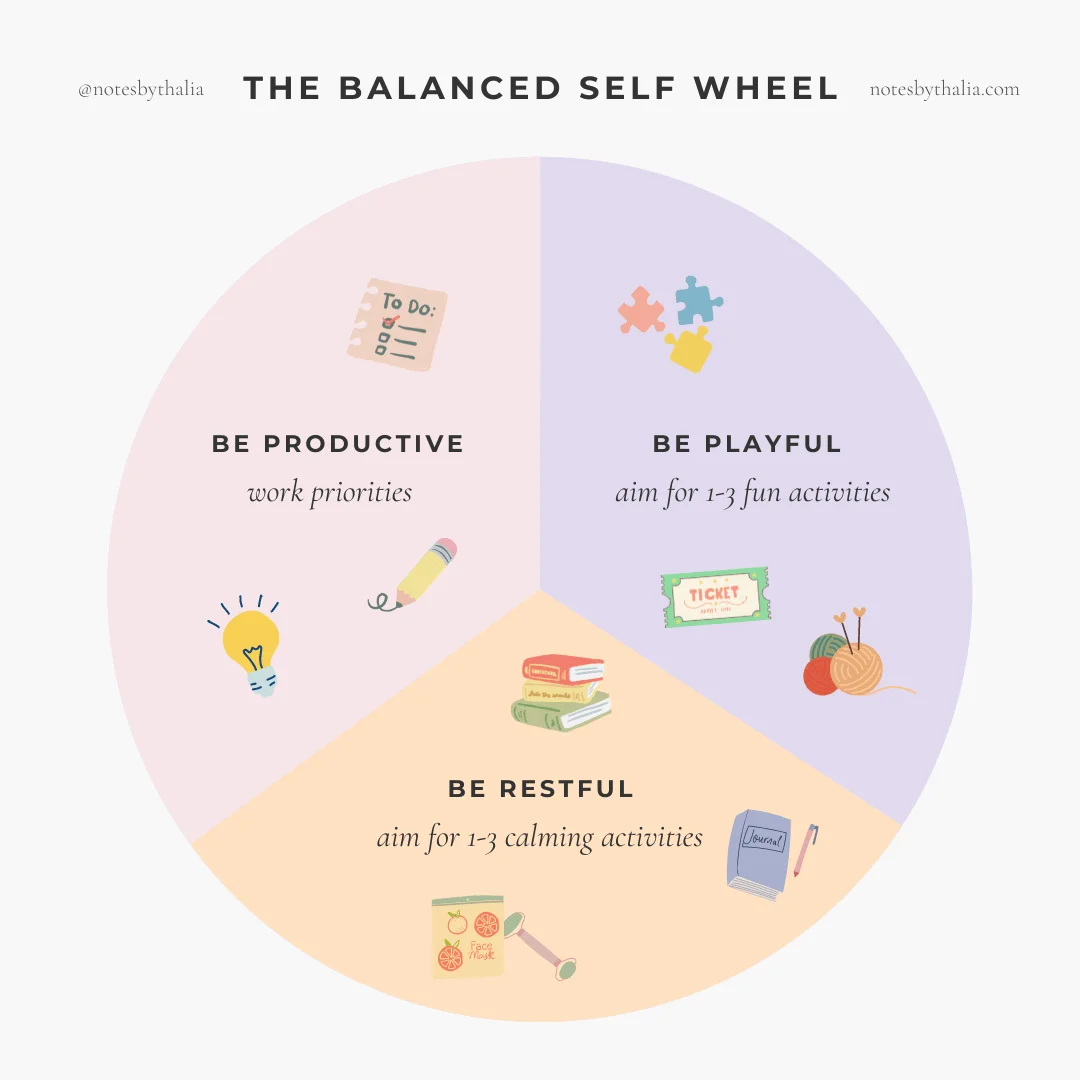
Designing a daily routine that effectively balances work, family, and personal time is essential for maintaining both mental and physical health. When these areas of life are neglected or disproportionately emphasized, stress can accumulate, leading to anxiety, burnout, and even physical ailments. A balanced routine helps regulate sleep patterns, encourages regular physical activity, and provides space for relaxation—all crucial components for sustaining overall well-being.
Enhancing Productivity and Relationships
Beyond health, a well-structured routine can boost productivity by fostering focus during work hours. When work tasks are clearly scheduled, distractions diminish, allowing for more efficient completion of responsibilities. Furthermore, allocating time for family strengthens bonds and nurtures emotional support, which in turn reduces feelings of isolation. Personal time also plays a vital role, promoting self-care and growth, which can improve mood and interpersonal interactions.
Assessing Your Current Daily Schedule
Time-Tracking Techniques
Before creating a new routine, it’s important to understand how you currently spend your time. Time-tracking is a practical approach to gather this insight. By noting activities throughout the day, either using a dedicated app or a simple journal, patterns and habits become visible. This transparency helps in recognizing where time might be lost or overallocated—an essential step to crafting a balanced schedule that fits real life.
Identifying Time-Wasting Activities
While tracking time, you may uncover activities that consume more time than you realize, often with little return. Common examples include excessive social media use, unnecessary multitasking, or prolonged breaks. Pinpointing these allows you to consciously reduce or eliminate them, freeing up valuable minutes to dedicate to work, family obligations, or personal interests.
Setting Priorities: Work, Family, and Personal Time
Defining Your Core Values
Recognizing what matters most in your life serves as the foundation for prioritization. Reflecting on core values can clarify whether career advancement, quality family moments, or personal development should take precedence at different times. This introspection is not static—values might shift as life circumstances change, so regular reassessment ensures your routine remains aligned with your true priorities.
Allocating Time Based on Priorities
Once priorities are clear, the next step is to distribute your available time accordingly. Work commitments often have fixed schedules, but within those constraints, you can set realistic limits to maintain balance. Family time should be scheduled in ways that encourage meaningful interaction, such as shared meals or activities. Personal time, though sometimes overlooked, must be protected to recharge and pursue hobbies or relaxation.
Practical Strategies for Structuring Your Day
Time Blocking for Work Tasks
Time blocking involves dedicating specific chunks of the day exclusively to particular work tasks. This strategy minimizes interruptions and fosters deep focus. For example, setting aside morning hours for high-concentration projects and afternoons for meetings or routine tasks can optimize energy levels and effectiveness. Planning breaks in between blocks is equally important to prevent fatigue.
Incorporating Family Activities Seamlessly
Integrating family activities naturally into the day helps avoid conflicts and ensures quality engagement. Scheduling regular family dinners, planning weekend outings, or just setting aside evening time for conversation can build a strong support system. Flexibility here is key; being present and attentive often matters more than rigid timelines.
Ensuring Dedicated Personal Time
Securing personal time might be the most challenging yet rewarding aspect of routine planning. This could mean setting aside 30 minutes for reading, meditation, or exercise. Establishing clear boundaries with work and family during these moments encourages consistency. Prioritizing personal time replenishes energy and maintains mental clarity for all areas of life.
Tools and Apps to Support Routine Planning
Calendar Apps and Reminders
Digital calendars are invaluable for organizing schedules and setting reminders. Applications like Google Calendar or Outlook allow you to visualize your day, send alerts for upcoming tasks, and share schedules with family or colleagues to coordinate effectively. These tools help maintain accountability and prevent overbooking.
Habit-Tracking Applications
To build long-lasting routines, habit trackers can motivate and monitor progress. Apps such as Habitica or Streaks encourage consistent engagement by turning habit formation into a measurable and rewarding process. They provide insights into patterns, helping you adjust routines to better match your lifestyle and goals.
Adapting Your Routine Over Time
Evaluating What Works and What Doesn’t
Routines should be dynamic rather than rigid. Periodically reviewing your schedule enables you to assess its effectiveness. Consider which parts enhance productivity and happiness versus those causing stress or neglect. Adjustments based on real feedback make your daily plan more sustainable and fulfilling.
Maintaining Flexibility During Busy Periods
Life’s demands can fluctuate, requiring temporary changes to your routine. During busy periods, maintaining flexibility helps prevent overwhelm; this might mean shortening personal time or rescheduling family activities without losing sight of balance. Being adaptable ensures you continue to meet essential needs without sacrificing well-being.