Understanding the Basics of Balanced Meal Prep
What Constitutes a Balanced Lunch?
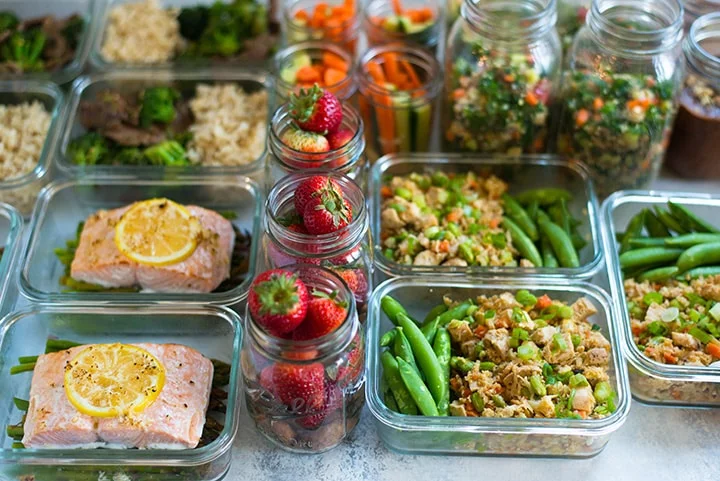
Imagine Sarah, a marketing manager juggling tight deadlines and meetings all day. She faced constant energy slumps after lunch until she revamped her meal strategy. A balanced lunch is one that provides steady energy, satiates hunger, and supports your body’s nutritional needs. It typically includes a mix of lean proteins, complex carbohydrates, healthy fats, and plenty of vegetables. This combination helps regulate blood sugar levels, prevents overeating later, and supports weight loss efforts.
Macronutrients and Their Role in Weight Loss
Proteins, carbohydrates, and fats are the pillars of any meal, especially when aiming for sustainable weight loss. Take James, a busy father who started focusing on macronutrients to control his portion sizes. Protein, such as grilled chicken or beans, helps build and repair muscles and keeps you full longer. Carbohydrates from whole grains or vegetables provide energy. Healthy fats from sources like avocado or nuts support brain function and hormone balance. Balancing these macronutrients ensures that your lunch doesn’t just fill you up but fuels your body efficiently.
Common Misconceptions About Meal Prep
Many think meal prepping involves hours of weekend cooking or eating bland food every day. Emma, a software engineer, once believed that meal prep was too time-consuming and monotonous until she learned to use simple recipes and mix fresh with frozen ingredients. Another misconception is that all meals have to be calorie-counted meticulously. Instead, focusing on balanced ingredients and mindful portion sizes can simplify the process while still driving weight loss.
Planning Your Busy Week for Success
Time Management Tips for Meal Prepping
When Tom, a busy sales executive, started meal prepping, he blocked out just two hours on Sunday evenings. Breaking the task into manageable chunks, like prepping grains first, then chopping vegetables, made the process feel less overwhelming. Using a simple checklist can keep you on track and reduce decision fatigue during the week. Efficient time management ensures you maintain your meal prep routine without sacrificing other priorities.
Choosing Ingredients That Store Well
Opting for ingredients that hold up in the fridge or freezer can save precious minutes during the week. Brown rice, quinoa, roasted sweet potatoes, and chicken breasts store excellently. Frozen vegetables, like peas or spinach, retain most nutrients and are convenient options. Leah, a nurse working 12-hour shifts, relies heavily on frozen produce combined with fresh herbs to keep meals flavorful without spoiling quickly.
Creating a Realistic Weekly Meal Plan
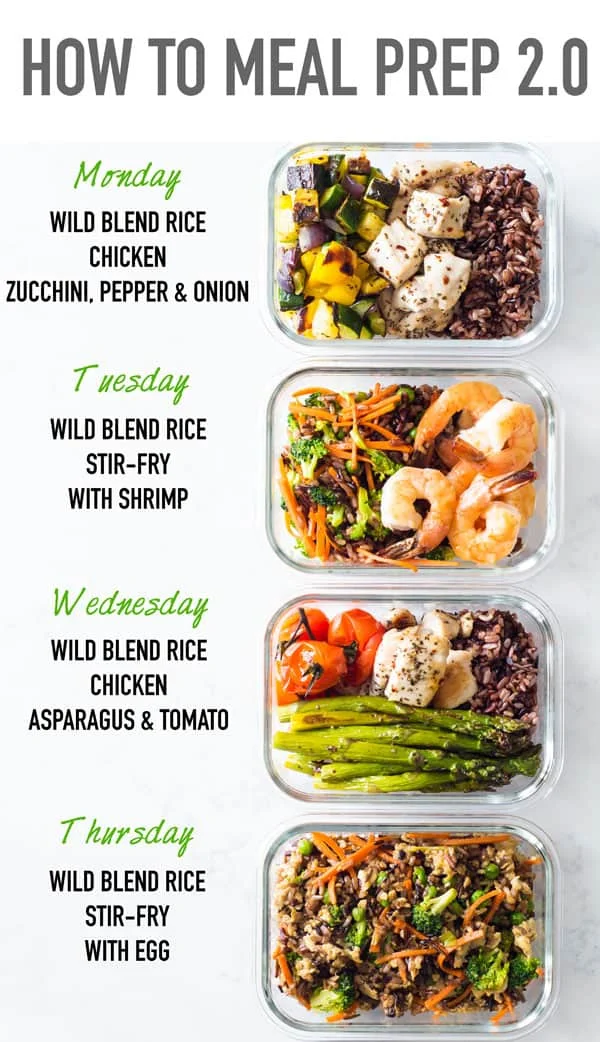
Planning meals around your schedule and preferences is key. Mike realized that some days he preferred lighter meals, while busier days demanded heartier options. Incorporating this flexibility allowed him to stick to his meal plan. Start by listing your lunches, varying ingredients to avoid boredom, and aligning portion sizes with your weight loss goals. A practical plan minimizes last-minute takeout temptations and keeps you accountable.
Step-by-Step Guide to Preparing Balanced Lunches
Batch Cooking Proteins and Grains
Batch cooking involves preparing large quantities of proteins and grains at once to save time later. For example, on Sunday, cook several chicken breasts, bake a tray of tofu, or boil eggs, then store them in the fridge. Simultaneously, grains such as quinoa or brown rice can be cooked in bulk. Julia, a teacher, shared how this method reduced her weekday cooking stress, allowing her to quickly assemble lunches with minimal effort.
Incorporating Fresh and Frozen Vegetables
While proteins and grains provide structure, vegetables add essential vitamins and fiber. Mixing fresh veggies like cherry tomatoes or bell peppers with frozen broccoli or green beans keeps meals nutritious and colorful. Freezing seasonal vegetables when they’re fresh guarantees great taste. Try steaming or roasting veggies in advance to enhance flavor and make them ready to eat straight from the fridge.
Portion Control and Packaging Strategies
Understanding portion sizes is crucial to avoid overeating. Invest in portion-controlled containers that separate components, such as proteins, grains, and veggies, to maintain balance. Sarah found that using clear containers helped her see what she had prepared and portion sizes helped her stick to calorie goals. Labeling meals with dates prevents food waste, and resealable containers make transportation convenient.
Tools and Resources to Simplify Your Prep
Must-Have Kitchen Gadgets for Meal Prep
Certain tools can dramatically ease meal prep. A slow cooker or instant pot lets you cook proteins and grains hands-free, while a good set of sharp knives and a cutting board speed up vegetable preparation. Portion control containers and quality storage boxes also help maintain freshness during hectic weeks. When Amanda, a freelance writer, invested in these gadgets, she cut her prep time nearly in half.
Apps and Templates for Meal Planning
Leveraging technology can organize your meal prep journey. Apps like MyFitnessPal or Mealime assist with recipe discovery, grocery lists, and tracking nutrition. Printable templates or digital planners help map out weekly meals, ensuring variety and balance. Daniel, a graphic designer, credits these tools for helping him maintain consistency during busy project deadlines.
Maintaining Motivation and Staying on Track
Strategies to Avoid Meal Prep Burnout
Meal prep can become monotonous, leading to burnout. Switching up flavors, trying new recipes, or incorporating international cuisines can reignite excitement. Taking breaks when needed and not pressuring yourself to prep every meal also helps sustain the habit over time. For instance, Claire, a nurse, allows herself one “free” lunch out per week, which keeps her motivated the rest of the time.
Adjusting Meals for Variety and Satisfaction
Variety in textures and tastes prevents boredom and supports adherence. Adding different herbs, spices, or dressings to your base meals can transform the experience. Using seasonal produce keeps meals fresh and exciting. When Mark adjusted his meals this way, he noticed not only sustained weight loss but also improved enjoyment and less temptation to stray from his plan.
Conclusion: Long-Term Benefits of Balanced Meal Prep
Over time, balanced meal prepping becomes more than just a weight loss tool; it’s a lifestyle change. The routine supports consistent healthy eating, reduces stress over meals, and saves money. More importantly, it fosters mindful eating habits that contribute to sustainable weight loss. Whether you’re Sarah navigating work deadlines or Tom managing family life, meal prep tailored to your schedule can empower you to achieve and maintain your health goals without sacrificing precious time.