Understanding the Importance of Boundaries in Romantic Relationships
Why Boundaries Are Essential for Healthy Partnerships
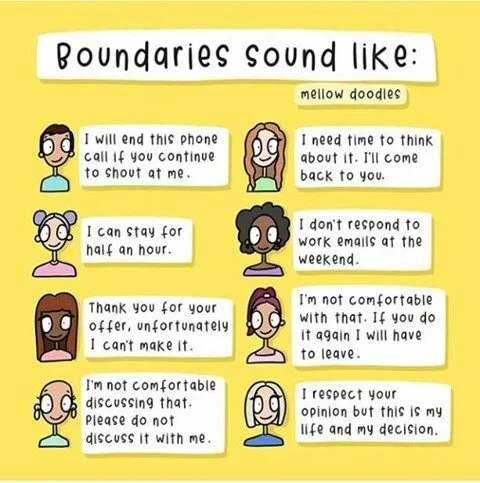
Many people struggle to set boundaries in romantic relationships because they fear it will create distance or conflict. However, boundaries are not barriers; they are vital guidelines that define how partners treat each other and respect individual needs. Without clear boundaries, feelings of resentment, misunderstanding, and imbalance can emerge, ultimately harming the relationship’s foundation. Healthy boundaries foster trust, promote equality, and allow both partners to maintain their identities while growing together.
Common Misconceptions About Setting Boundaries
One major misconception is that setting boundaries means pushing your partner away or being selfish. In reality, boundaries help clarify expectations and reduce unnecessary tension. Another false belief is that boundaries are rigid rules rather than flexible agreements that evolve with the relationship. These misunderstandings often lead individuals to avoid expressing their limits, which can result in emotional exhaustion or feeling unheard.
Identifying Your Personal Limits
Recognizing Emotional, Physical, and Mental Boundaries

Before you can communicate your boundaries, it’s essential to understand what they are. Emotional boundaries might include how much support you can offer or the way you expect to be treated during conflicts. Physical boundaries cover personal space, touch, and intimacy levels. Mental boundaries involve respect for your opinions, beliefs, and privacy. When these limits are unclear, feelings of discomfort or violation might arise without a clear explanation.
How to Reflect on Your Needs and Wants
Self-reflection is a crucial step in identifying boundaries. Ask yourself what situations make you feel drained or overwhelmed, what makes you feel safe and respected, and where you notice recurring discomfort. Journaling your emotions and experiences can bring clarity. This reflection helps separate societal or partner-imposed expectations from your genuine needs, allowing you to set boundaries that truly support your well-being.
Effective Communication Techniques for Boundary Setting
Using “I” Statements to Express Yourself Clearly
Communicating boundaries can be challenging, especially if you fear conflict. Using “I” statements allows you to express your feelings without sounding accusatory. For example, saying “I feel overwhelmed when I don’t have time to recharge alone” is more constructive than “You never give me space.” This approach focuses on your experience and encourages understanding rather than defensiveness.
Choosing the Right Time and Place for Conversations
Timing plays a significant role in how boundary discussions unfold. Engaging in these talks when both partners are calm and free from distractions increases the chance of a productive conversation. Avoid bringing up sensitive topics during stressful moments, arguments, or when either of you is tired. Creating a safe and private environment signals that the conversation is important and deserving of attention.
Overcoming Guilt When Enforcing Boundaries
Understanding the Roots of Your Guilt
Many people feel guilty about setting boundaries because they fear disappointing their partner or being perceived as difficult. This guilt often stems from childhood conditioning or cultural beliefs that prioritize pleasing others over personal needs. Recognizing where this guilt originates is the first step toward addressing it. Understanding that your boundaries are about mutual respect rather than rejection can help alleviate unnecessary shame.
Reframing Boundaries as Acts of Self-Love
Instead of viewing boundaries as obstacles, consider them as expressions of self-care. Setting limits is a way to preserve your mental and emotional health, which ultimately benefits the relationship as well. When you take care of yourself, you are better equipped to support your partner. Shifting your mindset to see boundaries as a positive and loving act can reduce feelings of guilt.
Examples of Healthy Boundaries in Various Relationship Scenarios
Setting Boundaries About Time and Personal Space
In close relationships, maintaining personal time is essential. For instance, requesting alone time to pursue hobbies or simply rest is healthy. When one partner needs to spend time with friends or family without the other, respecting this desire prevents feelings of suffocation and encourages individuality within the partnership.
Financial Boundaries and Expectations
Money often becomes a source of conflict when expectations are unclear. Establishing shared financial boundaries might include deciding how expenses are split or agreeing on a budget for shared activities. Transparency about financial limits ensures both partners feel secure and prevents misunderstandings.
Dealing With Social and Family Pressures
External pressures from family or social circles can strain relationships. Setting boundaries around what topics are open for discussion or how often to engage with outside influences protects the partnership’s stability. Agreeing on how to handle invitations, advice, or criticism from others can reduce conflict and reinforce your bond.
Maintaining Boundaries in the Long Term
How to Reinforce Boundaries Without Alienating Your Partner
Consistency is key to maintaining boundaries. However, enforcement should be balanced with empathy. Regular check-ins and open dialogue about how the boundaries are working help avoid alienation. Being patient when your partner adjusts to new limits encourages cooperation and mutual respect, rather than resistance or resentment.
Signs Your Boundaries Are Being Respected or Violated
Respect for boundaries is reflected in how your partner reacts. If they acknowledge your limits calmly and make efforts to honor them, it indicates a healthy dynamic. Conversely, ongoing disregard, dismissal, or attempts to manipulate your boundaries signal issues that need addressing. Recognizing these signs early allows you to take action before problems escalate.
When Boundaries Are Challenged: Navigating Conflict
Strategies for Managing Pushback and Resistance
It’s common for boundaries to be tested, especially if they are new. When your partner pushes back, stay firm yet compassionate. Reaffirm why the boundary is important using calm explanations rather than blame. Avoid escalating conflicts by focusing on solutions, such as negotiating compromises or taking breaks to cool down. Patience and persistence are often required.
When to Seek External Support or Counseling
If boundary challenges lead to ongoing conflict, emotional distress, or communication breakdowns, seeking outside help can be beneficial. Couples counseling provides a neutral space to explore difficulties and learn effective strategies. Professional guidance can empower both partners to respect boundaries while strengthening their connection.