Understanding the Benefits of Coconut Oil for Hair
Why Coconut Oil Works as a Hair Treatment
Coconut oil has long been celebrated in beauty routines around the world, especially for its remarkable effects on hair health. What makes it stand out as a natural treatment is its unique ability to deeply penetrate the hair shaft. Unlike many other oils that simply coat the surface, coconut oil seeps inside, strengthening hair from within. This penetration helps reduce protein loss, which is crucial for preventing hair breakage and keeping strands strong and resilient. Incorporating coconut oil overnight allows your hair to fully absorb its benefits while you sleep, making it a convenient and effective solution for enhancing shine and softness.
Key Nutrients in Coconut Oil That Promote Hair Health
At the heart of coconut oil’s success are its rich nutrients. It contains lauric acid, a fatty acid renowned for its antimicrobial properties and deep affinity with hair proteins. This acid helps nourish the scalp, reducing dandruff and promoting a healthy environment for hair growth. Additionally, coconut oil is packed with vitamins E and K, which support scalp circulation and lock in moisture. These nutrients work together to not only make your hair shinier but also healthier and less prone to damage over time.
Preparing Your Hair for an Overnight Coconut Oil Treatment
Choosing the Right Type of Coconut Oil
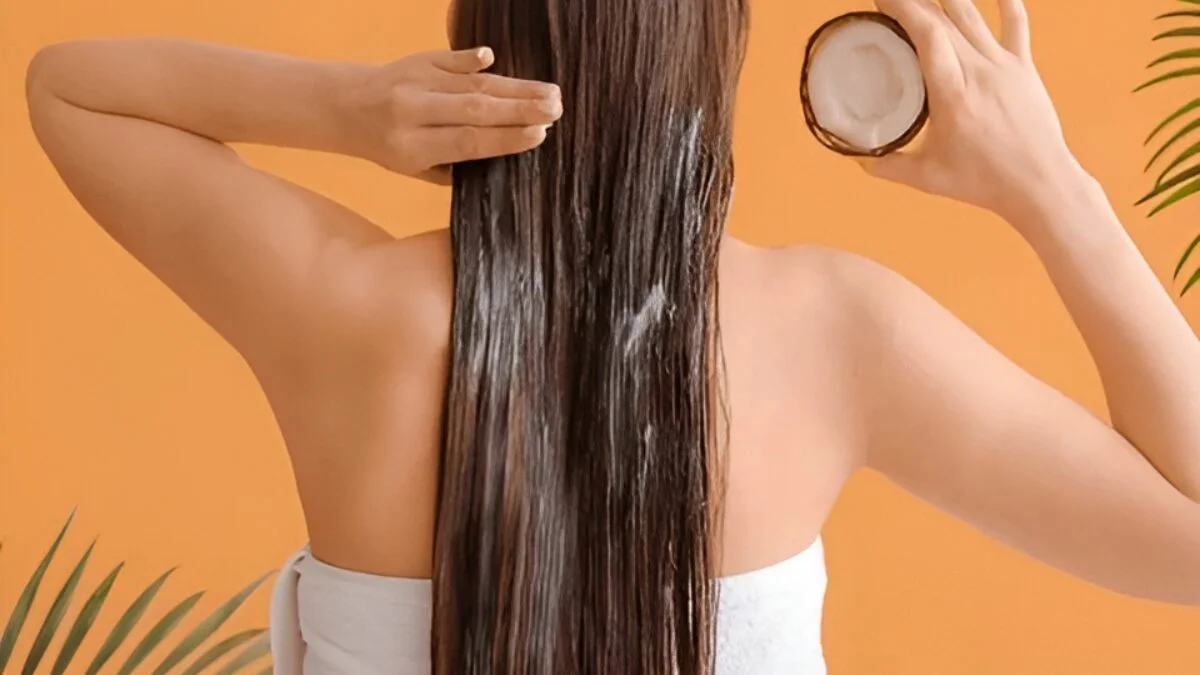
Not all coconut oils are created equal. For hair treatments, the best choice is unrefined, virgin coconut oil. This form retains most of the natural nutrients since it is minimally processed. Avoid highly refined or fractionated oils, as they typically lose beneficial compounds during processing. A cold-pressed variety will provide the purest benefits for your hair. The texture should be creamy and solid at room temperature but melts easily when warmed, making it easy to apply evenly.
How to Assess Your Hair Type Before Application
Understanding your hair type is key to tailoring the coconut oil treatment effectively. Fine or thin hair can easily become weighed down with heavy application, so a light, sparing amount is advisable. In contrast, thick, curly, or dry hair tends to absorb the oil better and benefits from a more generous application. If your scalp tends to get oily quickly, consider applying coconut oil primarily to the lengths and ends rather than the roots. Taking time to assess how your hair typically responds to oils will guide you in optimizing the treatment.
Step-by-Step Guide to Applying Coconut Oil Overnight
Dos and Don’ts During Application
When applying coconut oil, start by melting a small amount between your palms. Gently work it through your hair from mid-length to ends, where hair tends to be driest. Avoid over-saturating your scalp to prevent clogged pores or greasy buildup. One common mistake is using too much oil, thinking it will speed up results. Instead, moderate application yields better absorption and avoids uncomfortable messiness. Don’t forget to protect your pillow with a towel or hair wrap to keep your bedding clean overnight.
Tips for Even Distribution to Avoid Greasiness
Even distribution is essential for achieving shiny, healthy hair without greasy patches. Using a wide-toothed comb after applying the oil can help spread it evenly. Start by sectioning your hair if it’s thick, and apply oil carefully to each part. This method prevents clumping and makes sure every strand benefits from the treatment. For those with longer hair, working in smaller amounts at a time allows better control over application. Taking these small steps will prevent uneven oily spots in the morning.
Enhancing the Overnight Coconut Oil Treatment
Using Heat Therapy for Better Absorption
Heat can significantly boost the effectiveness of coconut oil. Warmth helps open up the hair cuticles, allowing the oil to penetrate deeper. Before bed, you might try wrapping your hair with a warm towel or using a heated cap after application. This simple step accelerates absorption and optimizes the treatment’s benefits. Just be cautious not to apply excessive heat that could damage your hair. Gentle warmth is enough to make a noticeable difference.
Combining Coconut Oil with Other Natural Ingredients
For enhanced nourishment, coconut oil pairs well with other natural ingredients. Adding a few drops of essential oils like rosemary or lavender can stimulate scalp health and add a pleasant scent. Mixing coconut oil with honey or aloe vera gel can boost moisture retention and softness. These combinations not only add layers of care but also turn your overnight routine into a mini spa treatment that your hair will thank you for.
Washing Out Coconut Oil: Best Practices
Choosing the Right Shampoo and Conditioner
Removing coconut oil properly in the morning is crucial to avoid greasiness and buildup. Opt for a gentle, sulfate-free shampoo that effectively cleans without stripping natural oils. Sometimes, a double shampoo wash may be necessary, especially if you’ve applied a generous amount. Follow with a nourishing conditioner to restore softness and manageability. Using lightweight formulas ensures your hair feels clean yet hydrated after washing out the oil.
How to Avoid Hair Damage While Washing
When washing out the oil, avoid hot water as it can dry out your hair and scalp. Lukewarm water is ideal for rinsing gently. Be careful not to rub your hair harshly; instead, massage the scalp lightly to loosen the oil. Thorough rinsing is important to prevent residue that can weigh hair down or clog follicles. Taking time during this step helps maintain the healthy benefits of the overnight treatment without causing unnecessary damage.
Visible Improvements and Long-Term Hair Care
Signs Your Hair Is Responding Well to Treatment
You’ll start to notice several positive changes with regular overnight coconut oil treatments. Hair will look shinier and feel softer to the touch. Split ends may appear less frayed, and overall hair strength improves, meaning fewer breakages during brushing or styling. Your scalp will feel healthier too, with reduced dryness or itching. These signs are encouraging signals that your hair is absorbing the nutrients and rebuilding its natural vitality.
Maintaining Hair Health Between Treatments
To maximize the benefits, it’s important to care for your hair between coconut oil treatments. Avoid over-washing, which can strip natural oils and leave hair vulnerable. Use a silk or satin pillowcase to minimize friction and breakage while sleeping. Regular trims help prevent split ends from traveling up the hair shaft. Staying hydrated and maintaining a balanced diet rich in vitamins also supports hair health from the inside out, complementing your overnight routine.