Understanding Minimalist Digital Habits
Defining Minimalism in the Digital Age
In a world saturated with endless digital tools, social platforms, and notifications, minimalism emerges as a way to regain control. Minimalist digital habits revolve around intentionally simplifying your technology use to focus on what truly matters. Instead of juggling a multitude of apps and distractions, minimalism encourages selecting only essential tools that enhance productivity and well-being.
The Psychological Impact of Digital Overwhelm
Digital overwhelm often results from constant multitasking, frequent interruptions, and an unmanageable influx of information. This overload can cause stress, reduce cognitive clarity, and impair decision-making. Understanding this psychological toll highlights why embracing minimalism is crucial—not just for efficiency, but for maintaining mental health in today’s fast-paced digital environment.
Identifying Your Digital Overwhelm Triggers
Common Sources of Digital Distraction
Notifications from multiple apps, the lure of social media, and non-stop email alerts are typical culprits behind digital overwhelm. These distractions fragment attention and disrupt flow, making it difficult to concentrate. Identifying which digital elements most frequently interrupt your focus is the first step to minimizing their impact.
Self-Assessment: Tracking Screen Time and Usage Patterns
Many people underestimate how much time they actually spend on their devices. Without this awareness, it’s impossible to know which behaviors need adjustment. Conducting a thorough self-assessment using built-in screen time trackers or third-party tools can reveal patterns of usage that contribute to overwhelm, enabling more informed decisions about where to cut back.
Core Principles of Minimalist Digital Habits
Prioritizing Essential Tools and Apps
One of the difficulties in digital minimalism is deciding which tools are worth keeping. The key principle is relevance: focus only on apps and platforms that directly support your goals and daily functions. This reduces clutter and creates a streamlined digital space that enhances your productivity without causing unnecessary distractions.
Setting Boundaries for Digital Consumption
Even with the right tools, boundaries are essential to prevent overuse. Setting limits on when and how you engage with technology helps maintain focus and prevent digital burnout. These boundaries might include reducing passive scrolling or defining specific times for email and social media checking.
Practical Steps to Implement Minimalist Digital Habits
Decluttering Your Digital Environment
Over time, devices accumulate unnecessary apps, old files, and redundant notifications. This clutter overwhelms both the device and the user. Regularly reviewing and deleting non-essential apps and organizing files reduces mental and physical digital noise, resulting in a more inviting and manageable environment.
Creating a Focus-Friendly Notification System
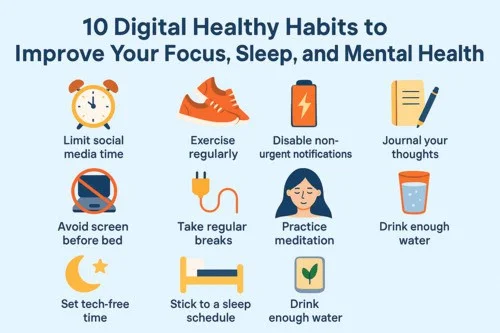
Notifications often serve as constant interruptions. To regain focus, customize notification settings to allow alerts only from high-priority contacts or apps. Consider disabling sound and banner alerts for less critical apps, or using “Do Not Disturb” modes during work or relaxation periods to preserve concentration.
Establishing Tech-Free Zones and Times
Designating areas and times where technology use is prohibited can significantly reduce digital overwhelm. For example, creating tech-free zones at the dining table or setting a daily “digital sunset” an hour before bedtime limits exposure to screens and promotes real-world engagement, which boosts focus and mental clarity.
Boosting Focus Through Intentional Technology Use
Scheduling Purpose-Driven Screen Time
Random or habitual device use can lead to wasted time and scattered attention. Instead, scheduling screen time with clear intentions—such as checking emails only twice a day or allocating a fixed period for social media—helps maintain control and ensures that technology serves your goals rather than distracts from them.
Utilizing Productivity Apps Mindfully
While many productivity apps promise enhanced focus, indiscriminate use can backfire. The solution is to pick a few apps that align with your workflow and use them intentionally. Tools like task managers, timers, or focus apps should complement your minimalist habits, not create new layers of distraction.
Maintaining and Adapting Your Digital Minimalism
Regular Reviews and Adjustments
Minimalist digital habits are not a one-time fix. Regularly reviewing your digital environment and usage patterns ensures your setup remains aligned with your evolving needs. Periodic audits help identify creeping distractions or new apps that no longer serve you, allowing timely adjustments to maintain clarity and focus.
Overcoming Challenges and Avoiding Relapse
It’s natural to face setbacks as habits change. The temptation to check notifications impulsively or install new distracting apps can reintroduce overwhelm. Strategies like accountability partners, tracking progress, or setting clear intentions can help overcome such challenges and reinforce sustainable digital minimalism over time.