Understanding the Basics of Layering for Transitional Weather
Why Layering is Essential for Women Over 30
Layering is more than just a style choice for women over 30—it’s a practical response to the unpredictable nature of transitional weather. Imagine stepping out on a brisk autumn morning, only to find the afternoon unexpectedly warm. Layering allows you to adapt throughout the day without sacrificing your look. Beyond function, layering adds depth and dimension to your outfit, helping you appear put-together and confident. For women balancing busy lifestyles, the ability to effortlessly shed or add pieces is invaluable.
Key Fabrics and Materials to Choose
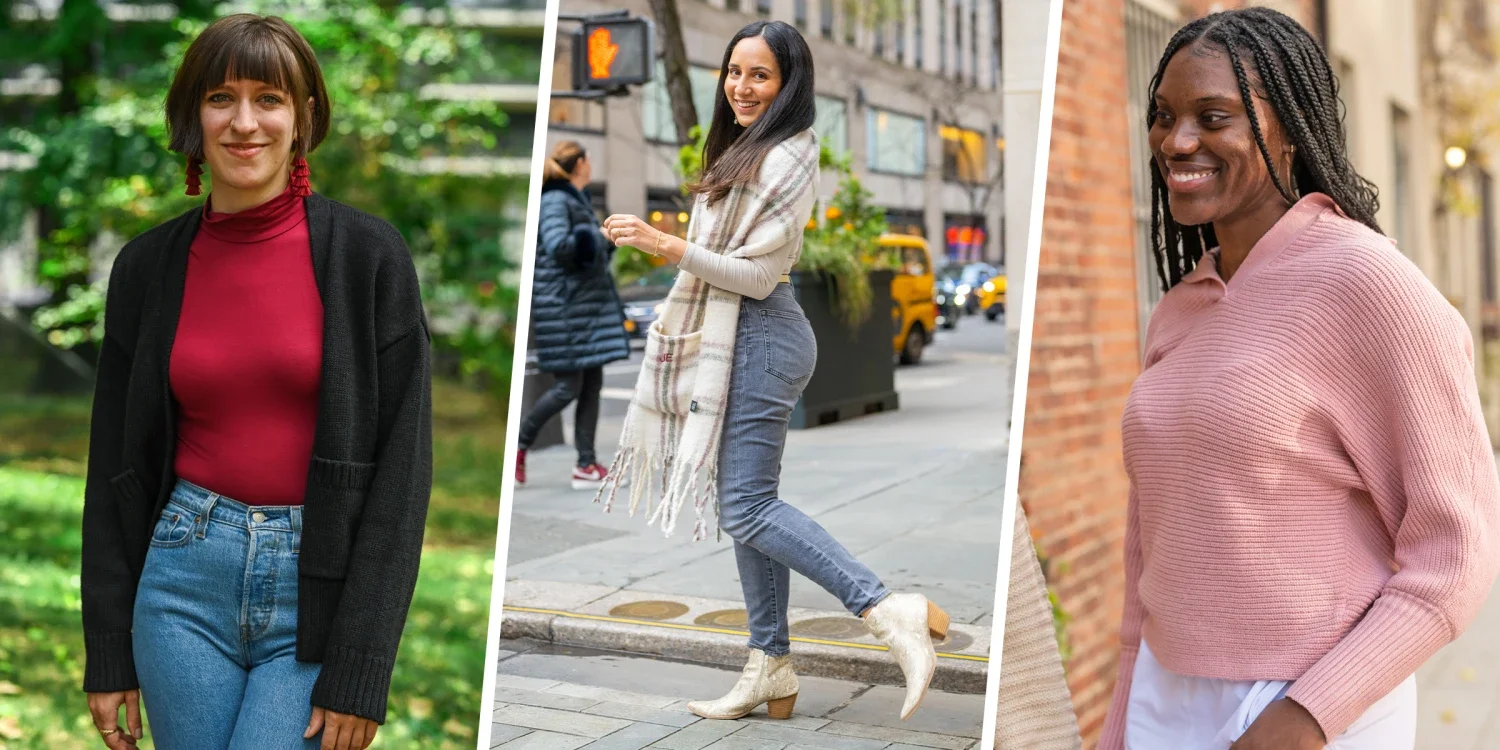
Choosing the right fabrics can make or break your layering strategy. Lightweight, breathable fabrics such as cotton, linen blends, and silk work wonderfully as base layers, keeping you comfortable without overheating. For mid-layers, materials like merino wool or cashmere offer warmth without bulk. Outer layers benefit from water-resistant fabrics or structured weaves that guard against wind and light rain, such as trench coat materials or waxed cotton. Avoid heavy synthetics that trap heat or feel stiff against the skin.
Balancing Comfort and Style
One common scenario involves selecting layers that are either too bulky or too tight, impacting both comfort and appearance. For example, a silk blouse paired with a soft cashmere cardigan satisfies both ease of movement and a polished aesthetic. When layering, aim to maintain comfort by ensuring each piece fits well on its own before combining them. Comfort should never be sacrificed for style; instead, seek fabrics and cuts that complement your body and allow freedom of movement.
Top Layering Pieces Every Woman Over 30 Should Own
Lightweight Jackets and Blazers
Picture a typical day at the office transitioning to an outdoor evening event. A classic tailored blazer in a neutral shade provides both warmth and sophistication. Similarly, lightweight leather or bomber jackets can lend an edge to casual jeans and a tee, perfect for a weekend outing. These pieces are versatile staples that elevate any outfit without overwhelming your frame.
Versatile Cardigans and Sweaters
Cardigans are lifesavers in transitional weather. A longline cardigan in merino wool or a cozy knit adds warmth while flattering various body shapes. Women often find themselves reaching for a sweater that adds coziness but doesn’t bulk them up. Opt for cardigans with thoughtful details—like side slits or open fronts—to maintain a sleek silhouette.
Chic Scarves and Accessories to Elevate Layers
Accessories such as scarves can transform even the simplest layered look. For instance, a printed silk scarf tied loosely around the neck can add a pop of color and texture, breaking up monotone layers. Additionally, belts or statement jewelry can define your waist or draw attention upward, contributing to a balanced appearance. These small touches turn basic layers into personalized ensembles.
Step-by-Step Guide to Creating Flattering Layered Outfits
Start with a Solid Base: Best Undergarments and Tops
Begin with a foundation that supports your layering efforts. Well-fitted camisoles, tank tops, or fitted tee shirts made from breathable fabrics lay the groundwork. For example, a smooth-fitting white tee can be paired with tailored trousers and a cardigan for a clean start. Undergarments should avoid adding visible bulk or lines—think seamless and supportive.
Mid-Layers: Adding Dimension Without Bulk
The mid-layer brings texture and warmth. Choose items like lightweight sweaters, button-up shirts, or thin knit cardigans. A practical story is of a woman layering a striped cotton shirt under a soft navy sweater, adding visual interest while maintaining a polished look. These mid-layers should accentuate your shape rather than hide it.
Outer Layers: Functional and Fashionable Choices
The outer layer can be a trench coat, blazer, or a denim jacket, depending on the occasion. In real-life transitions, a woman might head to an outdoor brunch wearing a camel trench over a cashmere sweater and slim trousers. The outer layer should protect against the elements while complementing the inner layers. Aim for pieces that provide structure without adding bulk.
Styling Tips for Different Body Types
Layering to Elongate Petite Frames
For petite women, layering should focus on creating a lengthened silhouette. Wearing monochromatic tones from top to bottom is a practical way to achieve this. For example, layering a beige blouse under a light camel vest paired with matching trousers keeps the eye moving upward and downward rather than across. Avoid overly long or bulky pieces that can overwhelm a smaller frame.
Flattering Layers for Curvy Silhouettes
Women with curves benefit from layers that define the waist and avoid redundant volume. A belted cardigan or a cropped jacket over a fitted top can accentuate natural curves. Picture a curvy woman choosing a tailored blazer over a soft blouse, which balances proportions and adds sophistication. Layering pieces should enhance your shape, not conceal it.
How to Add Layers Without Adding Volume
Volume can sneak in when layering thicker fabrics or loose fits. The solution is to mix textures and weights strategically. For instance, combining a thin cotton top with a structured blazer and a lightweight scarf adds depth without bulk. Choosing pieces with a slimmer cut or opting for open-front cardigans rather than buttoned styles helps maintain a streamlined look.
Seasonal Color Combinations and Patterns
Transitioning from Summer to Fall Hues
As the seasons shift, so does the palette. Gradually introduce warmer earth tones like rust, olive, and mustard into your layers, blending them with remaining summer colors like soft pastels or whites. Imagine starting your day in a white tee topped with a warm brown cardigan and finished with olive trousers. This combination feels fresh yet seasonally appropriate, reflecting the complexity of the transitioning environment.
Mixing Prints and Textures Successfully
Layering prints can be intimidating but rewarding. A solid foundation print like a subtle stripe or polka dot can be layered with a floral or plaid scarf to add personality. Texture mixing—such as pairing a smooth silk blouse with a chunky knit cardigan—adds richness. The key is balance: keep one element bold while the others remain neutral or subdued. This prevents clashes and keeps your look harmonious.
Common Layering Mistakes and How to Avoid Them
Over-layering vs. Under-layering
Over-layering often results in discomfort and a bulky appearance. A colleague of mine once layered three sweaters on a cool day only to feel restricted and visibly overwhelmed by the outfit’s mass. Conversely, under-layering might leave you cold and unprepared for sudden weather shifts. A good rule is to anticipate changes and choose layers you can add or remove with ease. Lightweight layers that can be combined or separated work best.
Mismatch of Proportions and Lengths
A common pitfall is pairing pieces of conflicting lengths, such as a cropped jacket over a very long top, which disrupts balance. For instance, wearing a tunic-length shirt under a short blazer can create awkward proportions. Instead, consider the proportions of each layer: a longer cardigan complements shorter tops, and vice versa. Visualizing your outfit in front of a mirror helps catch these issues before stepping out.
Inspiration Gallery: Casual Layering Looks for Women Over 30
Day-to-Day Office Casual
Picture Helen, a marketing executive, who pairs a white blouse with a tailored navy blazer and slim khakis. A lightweight cashmere scarf adds warmth and character without detracting from professionalism. Her choice of loafers and a structured tote completes a look that transitions effortlessly from meetings to after-work socials.
Weekend Errands and Coffee Dates
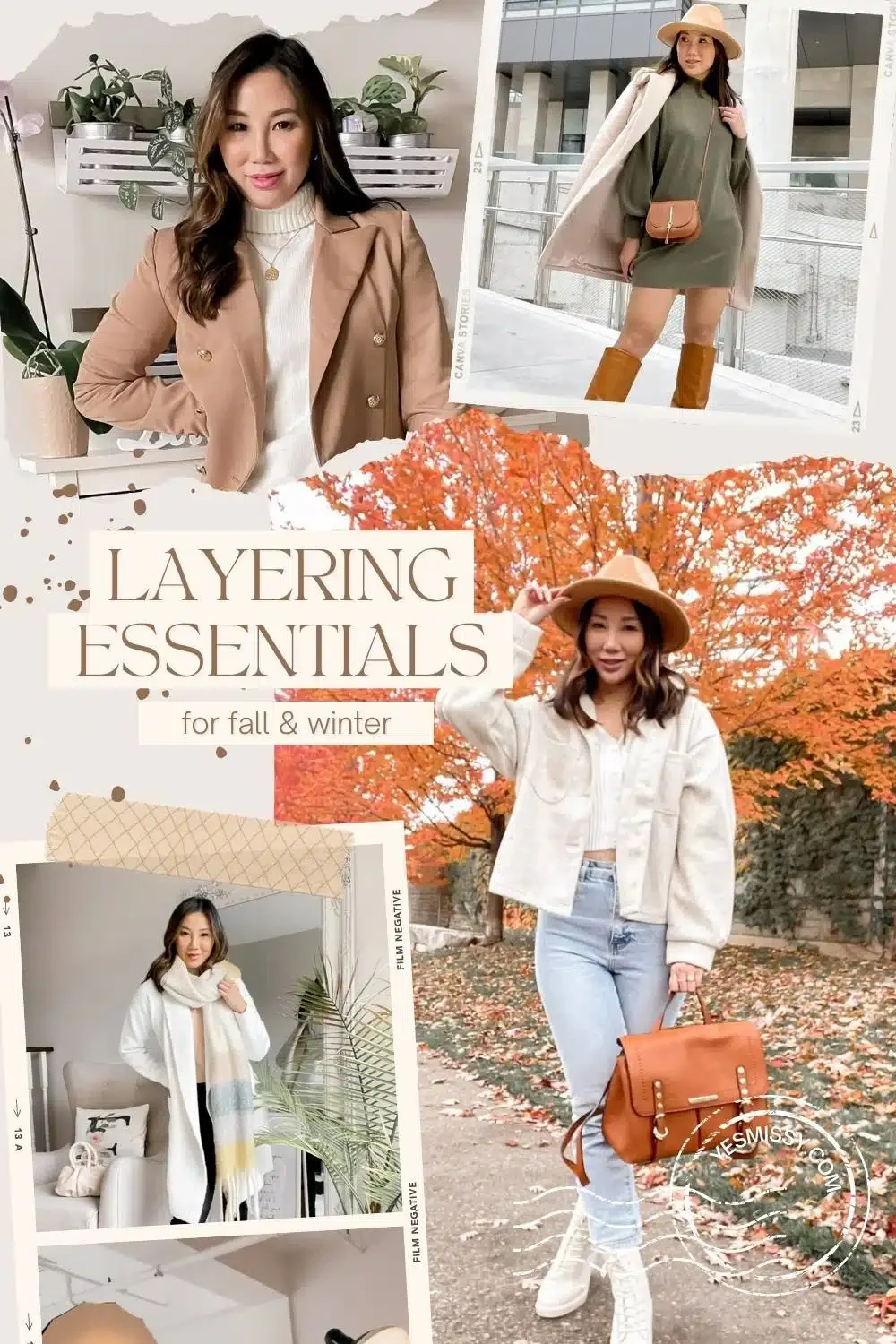
On weekends, layering becomes more relaxed. Consider Ella, who slips on a striped top under a chunky cardigan, combined with dark jeans and ankle boots. A denim jacket thrown on top adds casual flair, while a printed scarf brings personality. This ensemble suits variable temperatures and spontaneous plans.
Evening Casual Gatherings
For evening casual, layering can elevate simple pieces. Imagine Sarah wearing a sleek black turtleneck, a lightweight metallic-knit cardigan, and tailored trousers. She finishes with delicate jewelry and a wool trench coat for warmth. This thoughtful layering mixes comfort with a subtle sense of occasion, perfect for dinners or intimate get-togethers.
Quick Takeaways
Layering during transitional seasons is about adaptability, comfort, and flattering your natural shape. Prioritize fabrics that breathe and move with you, select versatile layers that can be mixed for various occasions, and avoid overloading your silhouette. Use accessories wisely to add interest without extra bulk. Finally, consider your body type and proportions when choosing lengths and fits to maintain balance.
Conclusion
Mastering the art of layering transforms how women over 30 navigate the unpredictable temperatures of transitional weather. It offers flexibility and the chance to express individual style while remaining comfortable. By understanding fabric choices, layering principles, and styling nuances tailored to body types, anyone can craft effortlessly flattering, practical casual looks. Layering becomes not just a technique but a trusted wardrobe ally for real-life, day-to-day sophistication.