Introduction to Meal Timing and Fat Loss
Meal timing has become a popular approach for enhancing fat loss without the need to skip meals. It focuses on scheduling food intake to support metabolism and energy balance. Unlike traditional dieting, meal timing emphasizes when you eat, complementing what you eat, which can optimize fat burning and overall health.
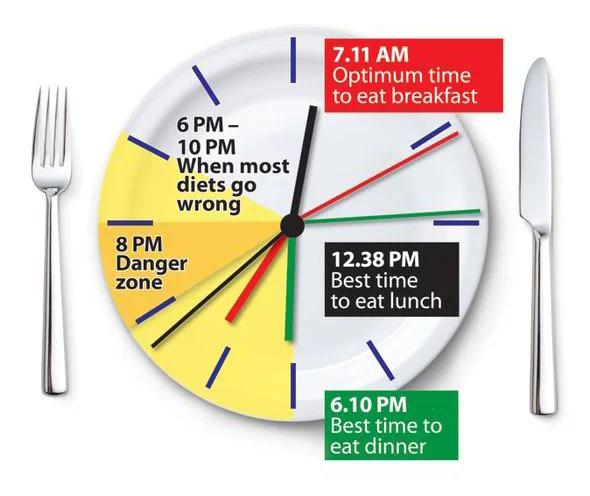
Understanding the Science Behind Meal Timing
How Meal Timing Affects Metabolism
The timing of meals influences metabolic processes such as insulin sensitivity, thermogenesis, and hormone production. Eating at consistent times helps maintain stable blood sugar levels and prevents excessive fat storage. Strategic meal timing can increase metabolic rate, aiding fat loss without reducing caloric intake excessively.
Role of Circadian Rhythms in Fat Loss
Circadian rhythms govern our body’s internal clock, regulating sleep, hormone release, and metabolism. Aligning meal timing with these natural rhythms—such as eating during daylight hours—can enhance fat oxidation and reduce fat accumulation. Disruptions, like late-night eating, often impair fat loss by altering hormone balance.
Common Meal Timing Strategies for Fat Loss
Intermittent Fasting Variants Without Meal Skipping
Intermittent fasting does not always mean skipping meals entirely. Variants like time-restricted eating allow all meals within a shorter time window, preserving meal frequency while improving fat metabolism. This method maintains energy levels and muscle mass while supporting fat loss.
Balanced Meal Frequency Approaches
Some individuals benefit from spreading caloric intake evenly across multiple small meals or snacks throughout the day. This can prevent overeating and manage hunger effectively. Balanced frequency helps maintain metabolic rate and energy, making it easier to sustain fat loss efforts.
Optimal Meal Timing for Different Lifestyles
For Office Workers
Office workers often have structured routines that make fixed meal times achievable. Eating breakfast soon after waking, followed by regular meals and snacks spaced 3-4 hours apart, supports focus and fat loss. Avoiding late heavy meals can improve sleep and metabolic function.
For Athletes and Active Individuals
Athletes require nutrient timing that supports performance and recovery. Consuming protein and carbohydrates around workouts maximizes energy and muscle repair. Scheduling meals to fuel activity without skipping any can enhance fat loss while preserving muscle mass.
For Shift Workers
Shift workers face challenges due to irregular schedules disrupting circadian rhythms. Prioritizing meals during daylight or work periods and avoiding eating before sleep can help. Flexible but consistent meal timing tailored to work hours aids fat loss without missing meals.
Combining Meal Timing with Nutrient Quality
Macronutrient Distribution Throughout the Day
Meal timing is more effective when paired with thoughtful macronutrient distribution. Prioritizing complex carbohydrates earlier in the day, balanced with protein and healthy fats throughout, supports sustained energy and fat metabolism. Avoiding excessive carbs at night can reduce fat storage.
Importance of Protein Timing for Fat Loss
Protein intake should be distributed evenly across meals to preserve muscle mass and promote satiety. Protein consumption in the morning and post-exercise is particularly beneficial for fat loss. Timely protein also supports recovery and helps control appetite.
Practical Tips to Implement Meal Timing Without Skipping
Planning and Prepping Meals
Preparing meals in advance ensures regular eating without missing any. Planning meal times according to daily schedules minimizes the risk of unplanned snacking or overeating. Having balanced meals ready reduces stress and maintains consistency in fat loss efforts.
Adjusting Portion Sizes and Snack Timing
Adjusting portion sizes allows for controlled calorie intake without skipping meals. Incorporating small, nutrient-dense snacks between meals can maintain energy and prevent overeating. Timing snacks strategically supports metabolism and hunger management.
Monitoring Progress and Adjusting Strategies
Using Biometrics and Energy Levels
Tracking indicators like weight, body composition, and energy levels helps evaluate meal timing effectiveness. Changes in hunger patterns or fatigue signal when adjustments are necessary. Regular monitoring ensures that strategies align with personal responses and goals.
When to Consult a Nutritionist
Professional guidance is valuable when meal timing strategies yield limited results or cause discomfort. Nutritionists can tailor plans to individual needs, considering medical conditions and lifestyle. Their expertise ensures safe and effective fat loss without meal skipping.