Understanding Minimalist Digital Habits
The Psychology Behind Digital Overwhelm
Digital overwhelm arises when the relentless flow of information, alerts, and digital demands exceeds our brain’s capacity to process effectively. This constant stimulation fragments attention, increases stress, and leads to mental fatigue. Our brains are wired to respond to novelty and interruptions, making it difficult to sustain focus amid the barrage of notifications and multitasking. Without intentional control over our digital environment, overwhelm can diminish productivity and erode overall well-being.
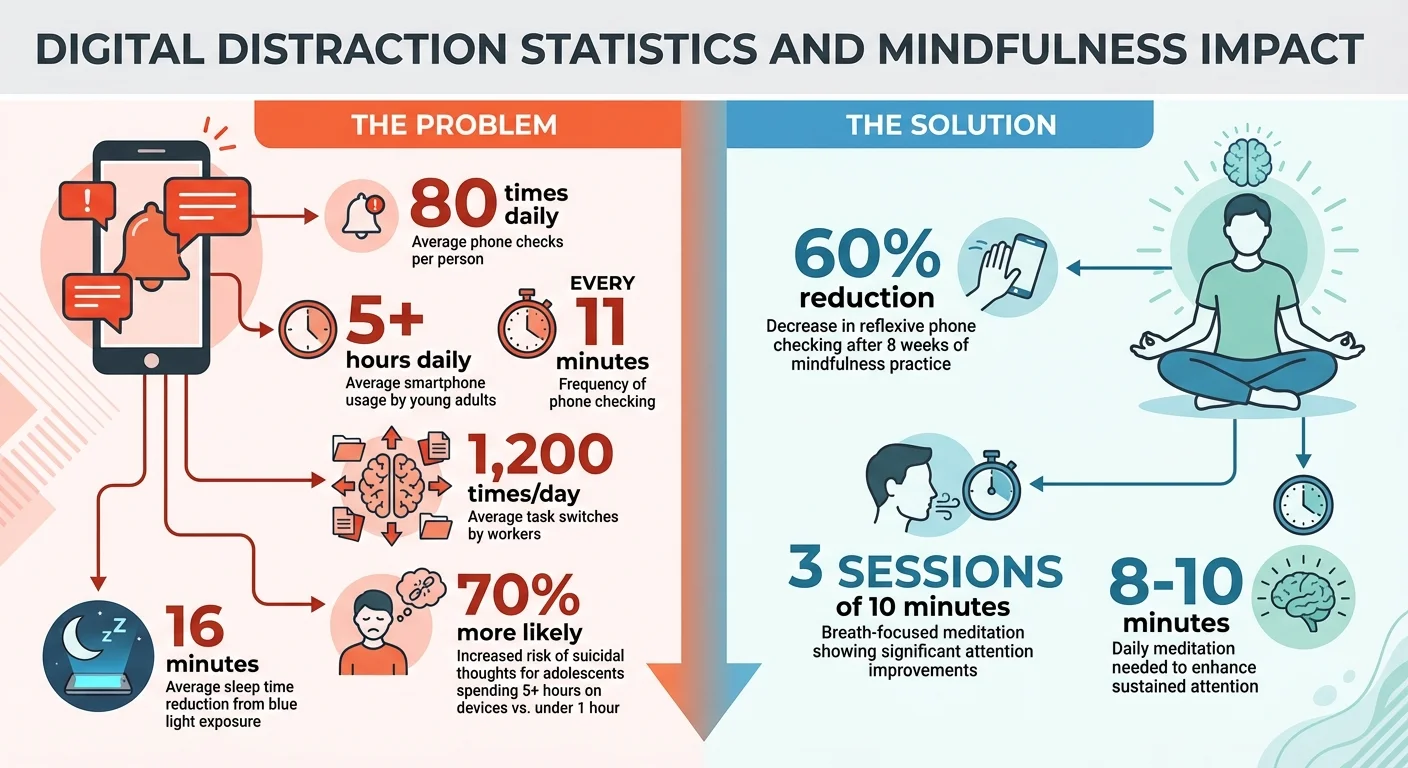
Defining Minimalism in the Digital Age
Minimalism in the digital context means paring down digital interactions and tools to only those that add meaningful value. Rather than mindlessly consuming content or responding to every alert, it encourages purposeful engagement with technology. The goal is to reduce unnecessary clutter—whether in files, apps, or digital habits—to create mental space, improve focus, and foster intentional use of devices. This thoughtful approach counters distraction and information overload endemic to digital life.
Common Sources of Digital Distractions
Social Media and Notification Overload
One of the primary causes of digital distraction is the incessant stream of notifications from social media platforms, messaging apps, and news outlets. These alerts demand immediate attention and foster compulsive checking behaviors. The unpredictable nature of notifications triggers a dopamine-driven feedback loop that undermines concentration. As a result, many users find themselves caught in an endless cycle of interruption that disrupts deep work and relaxation alike.
The Role of Multitasking in Reducing Focus
Multitasking has become a common habit enabled by digital devices, but it significantly hampers cognitive performance. Switching rapidly between tasks divides attention and reduces the quality of work and memory retention. This fragmented focus increases mental exhaustion and lowers overall efficiency. Despite the illusion of productivity, multitasking with digital content often leads to longer completion times and greater stress.
Essential Minimalist Digital Habits to Implement
Streamlining Digital Devices and Apps
An effective way to reduce distractions is by limiting the number of devices and applications you use regularly. Many people accumulate apps that serve similar purposes or are rarely used, cluttering the digital workspace. Removing unnecessary apps and consolidating functions into fewer platforms can streamline workflows and reduce decision fatigue. Regularly auditing digital tools promotes a cleaner, more intentional technology ecosystem.
Setting Intentional Screen Time Boundaries
Uncontrolled screen time often leads to burnout and distraction. Establishing clear boundaries—such as designated “no screen” periods, scheduled breaks, or time limits for specific apps—empowers users to regain control. Tools like screen time trackers and scheduled focus modes support these boundaries by signaling when it’s time to disconnect. Intentional screen time reduces mindless scrolling and fosters healthier digital consumption habits.
Creating Focus-Enhancing Digital Environments
Optimizing your digital environment to minimize interruptions can markedly improve concentration. This includes disabling non-essential notifications, organizing files for easy access, and using distraction-free modes or full-screen focus apps. Simplifying the desktop and browser workspace eliminates visual clutter, allowing the brain to dedicate full attention to the task at hand. Such environments cultivate deep work and reduce cognitive overload.
Techniques to Maintain Consistency
Daily Digital Decluttering Rituals
Maintaining minimalist habits requires consistent effort. Incorporating daily digital decluttering rituals—such as clearing email inboxes, deleting or archiving outdated files, and reviewing app permissions—helps sustain a streamlined digital space. These light daily routines prevent clutter accumulation and reinforce intentional technology use, making digital management less daunting over time.
Using Tools and Apps to Support Minimalism
Ironically, some digital tools can enhance minimalism by automating focus and reducing distractions. Productivity apps that block access to distracting websites, reminders for breaks, and simplified user interfaces foster disciplined digital engagement. Choosing tools aligned with minimalist principles encourages habit formation and supports sustainable digital wellness.
Measuring the Impact of Minimalist Digital Practices
Tracking Productivity and Mental Clarity
The benefits of minimalist digital habits are best understood through self-observation. Monitoring productivity levels, quality of work, and subjective mental clarity over time provides tangible evidence of improvement. Journaling experiences or using tracking apps can reveal patterns and highlight which adjustments yield the greatest positive results.
Adjusting Habits Based on Personal Feedback
Minimalist digital habits are not one-size-fits-all. Regularly reflecting on what strategies work—and which create unintended friction—allows for tailored approaches that fit individual needs. Flexibility ensures that digital minimalism evolves in harmony with changing demands, maintaining its effectiveness without becoming rigid or burdensome.