Understanding the Impact of Excessive Screen Time on Mental Health
The Science Behind Screen Time and Cognitive Function
Imagine Sarah, a marketing executive who spends nearly ten hours daily in front of multiple screens. Over time, she begins to notice difficulty concentrating during meetings and a constant mental fog. These symptoms aren’t rare—they reflect how prolonged screen exposure can disrupt brain function. Research shows that excessive screen time, especially in the evening, can interfere with the brain’s ability to process information effectively. The artificial blue light emitted by devices suppresses melatonin production, affecting sleep quality, which is crucial for cognitive restoration. As a result, tasks requiring focus, memory, and decision-making can become more challenging.
Common Psychological and Physical Effects
John, a college student, noticed that after hours scrolling social media, he felt unusually anxious and irritable. This emotional turbulence is common among heavy screen users. Psychologically, excessive screen time can foster feelings of loneliness, anxiety, and even depression. Physically, it leads to eye strain, headaches, and poor posture-related discomfort. The constant bombardment of notifications divides attention, lowering overall productivity and accelerating mental fatigue. Recognizing these effects is the first step toward reclaiming mental clarity and emotional balance.
Setting Realistic Goals for Reducing Screen Time
Assessing Your Current Screen Usage
Before making changes, it’s important to understand your baseline. Take Mark, a freelance writer who was surprised to learn he was spending over 12 hours a day on screens when he tracked his usage over a week. Many people underestimate their screen time because some hours are spent unconsciously. Apps like Screen Time on iOS or Digital Wellbeing on Android provide valuable insights, highlighting which apps consume most of your attention. This honest assessment helps identify patterns and moments when screen use spikes, allowing you to target those specific periods.
Creating Personalized Screen Time Limits
Once aware, setting achievable limits is key. Lisa, a busy mom, decided to reduce her leisure screen use to one hour a day, focusing on evenings after her children’s bedtime. Her limits were flexible, allowing occasional exceptions without guilt, which made it easier to sustain. Personalization hinges on lifestyle, work demands, and personal goals—what works for a graphic designer might differ for a student or a retiree. The goal is to find a balance that nurtures mental clarity without adding stress.
Daily Habits to Minimize Screen Dependency
Incorporating Screen-Free Morning Rituals
The way you start your day sets the tone. Consider David, who replaced his usual morning scroll through news feeds with a 10-minute stretch and a short gratitude journal session. This practice helped him focus better throughout the day and reduced the urge to check his phone impulsively. Starting mornings without screens encourages mindfulness, reduces anxiety, and primes the brain for productive thinking.
Using Tech Tools to Enforce Breaks
If you find self-control challenging, technology can paradoxically be part of the solution. Apps like Forest or Focus@Will help enforce breaks by encouraging users to stay off devices for set periods. For Emily, setting timers that locked her social media apps during work hours reduced distractions noticeably. These tools serve as gentle yet effective reminders that sustained screen use depletes mental energy, fostering better digital habits over time.
Engaging in Alternative Activities During Downtime
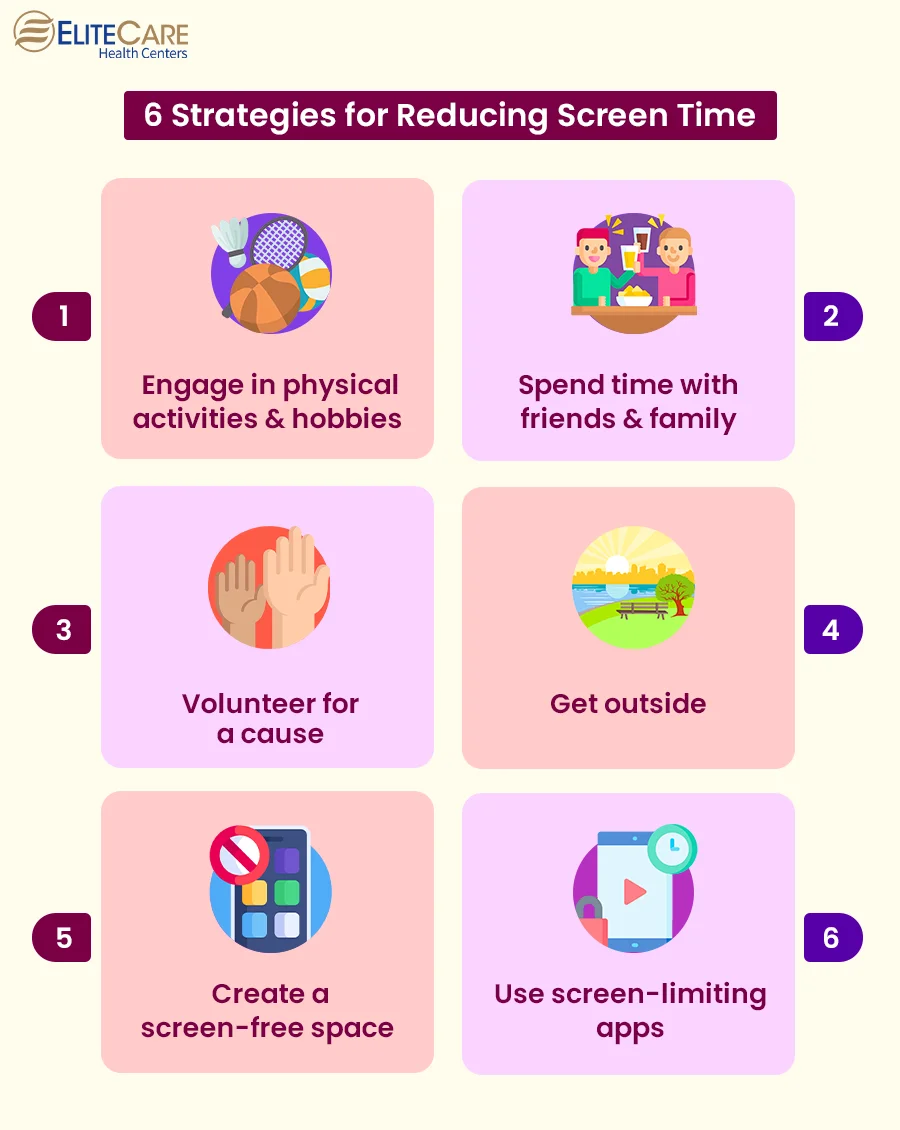
When relaxation time comes, turning away from screens is vital. James, an avid gamer, substituted some of his gaming hours with evening walks and reading fiction. Not only did his sleep improve, but his creativity and mood saw a boost. Engaging in physical activity or hobbies like cooking, painting, or gardening provides the brain with stimulation that screens cannot replicate, enhancing overall well-being.
Designing Your Environment to Support Mental Clarity
Optimizing Workspace Layout
An organized, clutter-free workspace can significantly influence focus. Sophia rearranged her desk to face a window and removed unnecessary gadgets that caused distractions. Natural light and reducing visual clutter helped lessen the feeling of being overwhelmed by digital stimuli. Simple changes like ergonomic chairs and proper screen height also reduce physical strain, making it easier to sustain attention when screens are necessary.
Creating Tech-Free Zones at Home
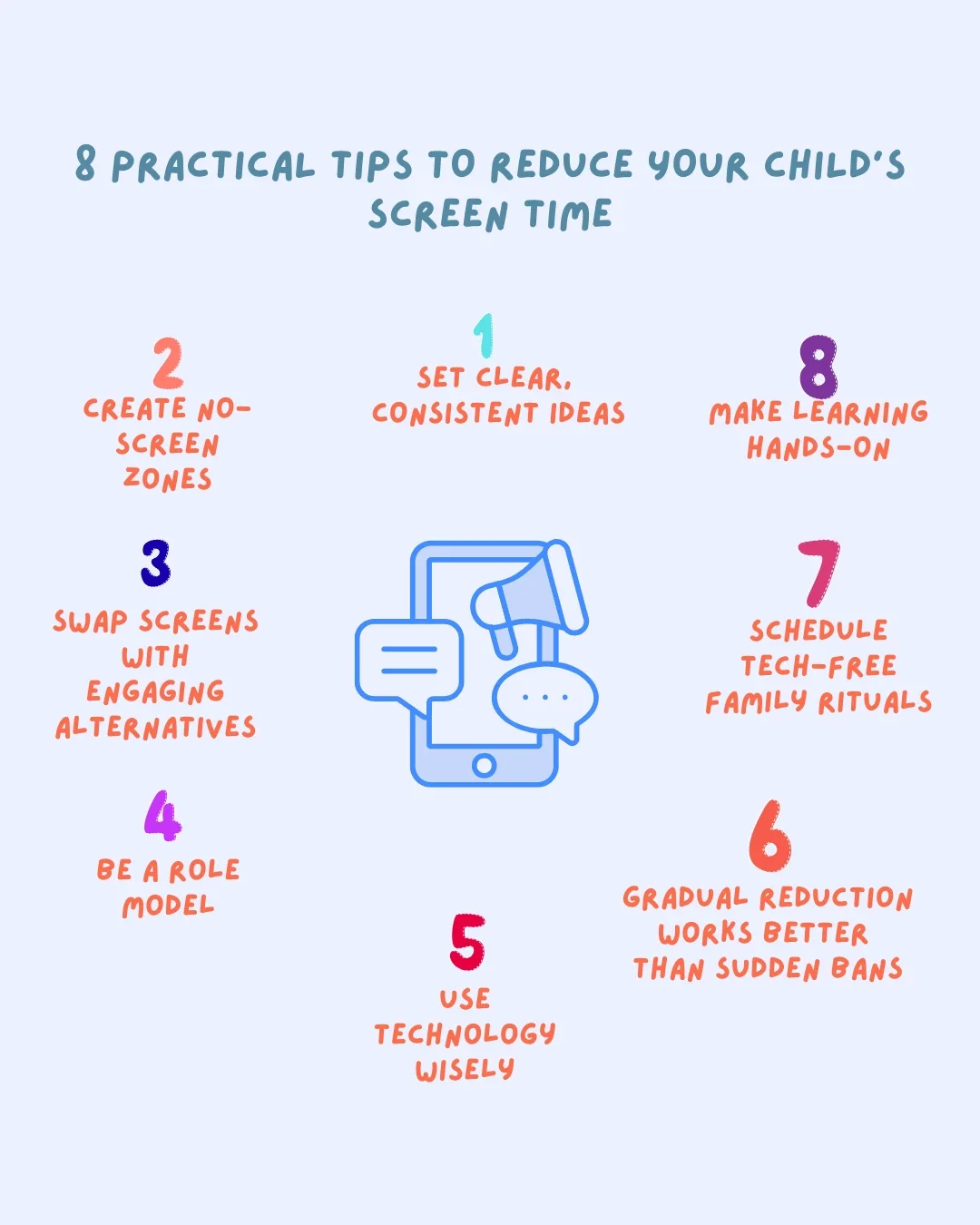
Establishing areas where screens are off-limits can break habitual checking. In the Thompson household, the dining room is a strict no-screen zone, which encouraged more family interaction and mindfulness during meals. Bedrooms free of devices also promote better sleep hygiene and mental decompression. These environmental cues help reset the brain from digital overload, fostering a healthier relationship with technology.
Mindfulness Techniques to Enhance Focus and Reduce Digital Overload
Breathing Exercises and Meditation Practices
When Alex found himself overwhelmed by constant notifications, he turned to simple breathing exercises to regain control. Practicing deep, slow breaths for a few minutes calmed his racing thoughts and improved his ability to return focus. Meditation apps like Headspace or Calm offer guided sessions tailored to reducing digital stress. These mindfulness practices retrain the brain to resist compulsive screen checking and improve mental clarity.
Mindful Use of Technology
Mindful use means being intentional about when and why you engage with screens. Instead of passively scrolling, Rachel started setting specific objectives before opening apps—whether to check emails or read news headlines. This shift towards purposeful use minimized wasted time and helped her detach more easily. Recognizing triggers for unnecessary screen time, such as boredom or habit, empowers better control over digital consumption.
Tracking Progress and Adjusting Your Plan
Using Apps and Journals for Monitoring
Continuous tracking aids in maintaining awareness. Michael jotted down his daily screen usage and emotional state in a journal, which revealed patterns he hadn’t noticed, like increased usage on stressful days. Combining technology and introspection helped him fine-tune his goals and strategies. Regular monitoring prevents relapse and encourages reflection on the benefits noticed from reduced screen time.
Celebrating Small Wins and Staying Motivated
Reducing screen time is a gradual process. Every hour saved, every bedtime screen-free, counts. Celebrating these victories, such as enjoying a sunset without a phone or finishing a book, reinforces positive behavior. Connecting with others facing similar goals can offer encouragement and fresh ideas. Staying motivated involves patience and compassion, acknowledging setbacks while focusing on progress.