Understanding the Impact of Small Conflicts on Trust
Why Minor Disagreements Can Shake Confidence
Small conflicts in relationships often seem insignificant at first glance, yet they can gradually chip away at the foundation of trust between partners. These seemingly trivial disagreements may involve misunderstandings, unmet expectations, or overlooked feelings. When left unaddressed, they accumulate, causing individuals to question their partner’s reliability and intentions. The problem lies in the fact that people often dismiss minor disputes, thinking they will resolve themselves over time, but this neglect allows doubt and resentment to grow quietly beneath the surface.
Psychological Effects of Broken Trust
When trust diminishes due to unresolved small conflicts, it can lead to anxiety, insecurity, and emotional withdrawal in a relationship. Partners may start to doubt each other’s words or actions, feeling vulnerable and hesitant to open up. This emotional barrier fuels a cycle of defensiveness and distance, making reconciliation increasingly difficult. The psychological impact extends beyond the immediate relationship, affecting one’s overall sense of safety and well-being. Hence, acknowledging how even minor breaches affect trust is critical to maintaining a healthy connection.
Effective Communication as a Foundation for Trust Repair
Active Listening Techniques
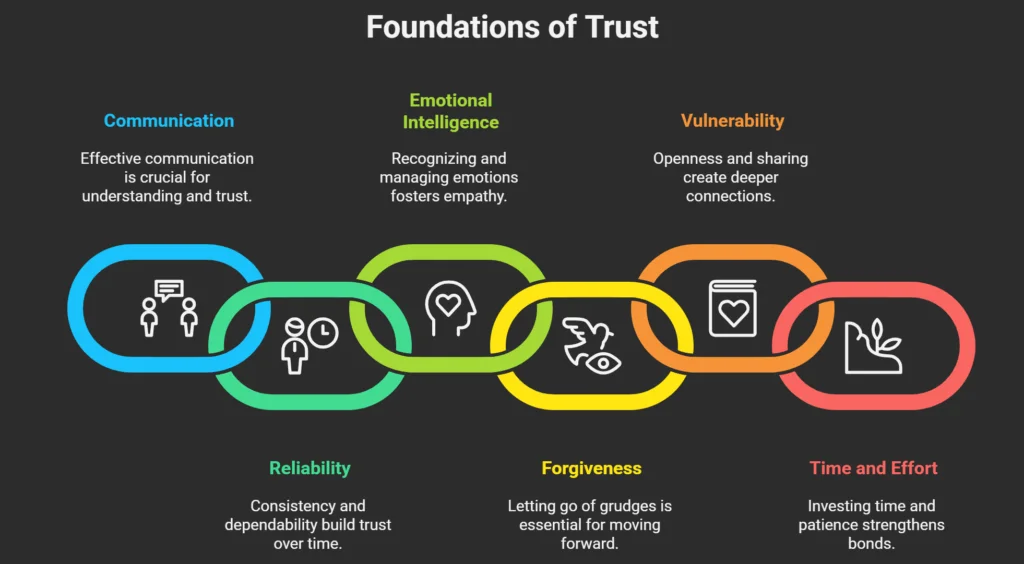
One of the primary reasons conflicts escalate is the lack of genuine listening. Active listening means fully concentrating on your partner’s words without interrupting or planning your response while they speak. This practice helps validate their feelings and shows respect for their perspective. When partners feel heard, it reduces misunderstandings and builds a foundation where trust can be restored. Simple behaviors, such as maintaining eye contact and summarizing what your partner said, help reinforce that you are truly engaged.
Expressing Feelings Without Blame
After a conflict, it is common for people to express their emotions through blame, which often escalates defensiveness. Instead, focusing on using “I” statements—such as “I felt hurt when…”—communicates personal feelings without accusing the other person. This approach fosters a safer environment for open dialogue, allowing both partners to explore their emotions honestly. When the goal shifts from proving who’s right to understanding each other, trust can begin to rebuild from a place of empathy rather than confrontation.
Clarifying Intentions and Avoiding Misunderstandings
Many small conflicts stem from misinterpreting a partner’s intentions. Clarification is essential to prevent assumptions from turning into resentment. Asking questions like “What did you mean by that?” or “Can you explain how you felt?” helps illuminate perspectives that might have been misread. This proactive communication ensures that both partners are aligned and reduces the risk of needless conflict. Establishing a habit of seeking clarity strengthens trust by demonstrating a commitment to understanding rather than judgment.
Actionable Steps to Rebuild Trust After Conflicts
Consistent Accountability and Transparency
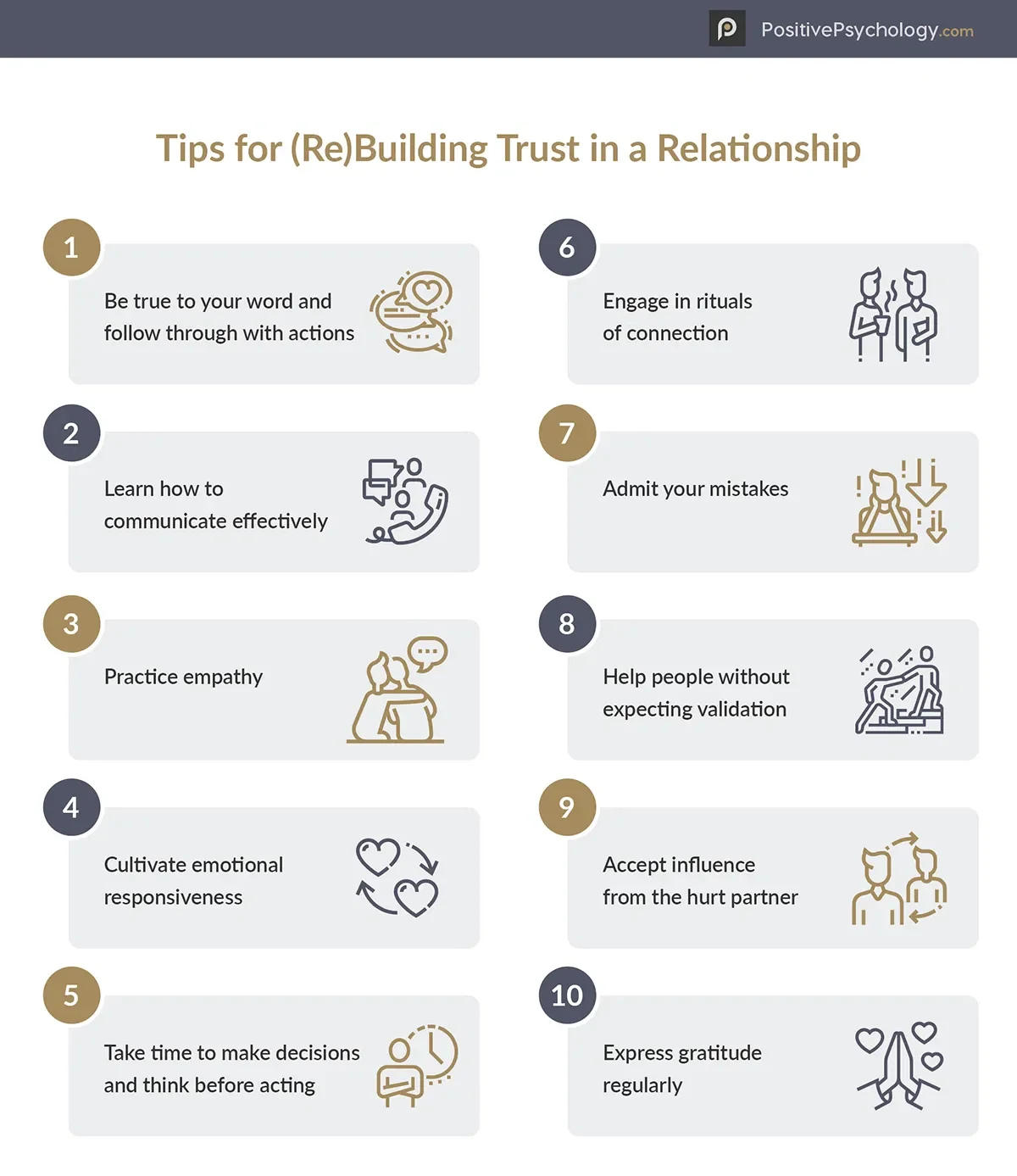
Trust rebuilds through consistent actions that demonstrate responsibility. When one partner admits mistakes openly and takes ownership, it signals reliability. Transparency about feelings, plans, and decisions avoids secrecy, which can otherwise breed suspicion. Rebuilding trust is not a one-time fix but a series of repeated behaviors that reassure both partners of their commitment to healing. Missing these steps often leaves doubts lingering and stalls progress.
Apologizing Sincerely and Meaningfully
A genuine apology can be the turning point after a disagreement but only when it expresses true remorse rather than simply placating anger. A meaningful apology acknowledges the specific hurt caused, accepts responsibility without excuses, and shows a willingness to change. Avoiding vague or conditional apologies such as “I’m sorry if you felt hurt” helps prevent further frustration. When apologies are heartfelt, they open doors for forgiveness and demonstrate respect, which is vital in rebuilding trust.
Creating Shared Goals for Relationship Growth
Moving beyond past conflicts involves looking forward together. Establishing mutual goals encourages a sense of partnership and shared purpose. Whether it’s improving communication patterns or dedicating time for quality interactions, working toward these objectives fosters collaboration and strengthens the bond. Shared goals remind couples that their relationship is a team effort, which helps rebuild trust on a foundation of mutual investment rather than past mistakes.
The Role of Forgiveness and Patience
Forgiveness as a Two-Way Process
Forgiveness is often seen as a one-sided act, but in healthy relationships, it works best as a reciprocal process. Both partners need to be willing to forgive and invite forgiveness for healing to truly take place. Holding onto grudges or repeatedly bringing up past conflicts undermines trust and blocks progress. Understanding that forgiveness takes effort and intention from both sides reduces resentment and fosters emotional closeness.
Allowing Time for Emotional Healing
Rushing the process of rebuilding trust can backfire by creating pressure and unrealistic expectations. Emotional wounds need time to heal naturally, and patience gives individuals space to process their feelings. Recognizing that healing timelines vary prevents frustration and encourages consistent support without impatience. Trust grows stronger when partners demonstrate understanding for each other’s healing journey rather than demanding immediate reconciliation.
Long-Term Strategies for Strengthening Trust
Regular Check-ins and Emotional Updates
Over time, small unresolved issues can resurface if left unattended. Scheduling regular conversations about feelings, expectations, and concerns helps catch problems early before they escalate. These check-ins don’t need to be formal but should provide honest space for emotional updates. This ongoing openness reinforces a culture of communication that nurtures trust and prevents stagnation.
Building Positive Experiences Together
Shared positive experiences create lasting memories that counterbalance past conflicts. Engaging in enjoyable activities or new challenges side by side releases feel-good hormones and deepens emotional bonds. These happy moments act as proof that the relationship can thrive despite setbacks. Investing in quality time together strengthens trust by reinforcing the value partners hold in each other’s lives.
Common Pitfalls to Avoid When Rebuilding Trust
Ignoring Small Issues Until They Escalate
One frequent mistake is dismissing minor conflicts because they seem harmless. However, unresolved small problems can accumulate and explode into larger conflicts that are harder to mend. Addressing issues promptly shows respect for each other’s feelings and prevents resentment from taking root. Ignoring warning signs often prolongs mistrust and complicates repairs.
Overpromising and Under-delivering
Trying to rebuild trust through grand promises can backfire when those commitments aren’t fulfilled. Overpromising raises expectations that, when unmet, lead to greater disappointment and further erosion of trust. It is more effective to set realistic, achievable goals and consistently follow through on them. Demonstrating reliability in small ways establishes a track record of trustworthiness over time.