Understanding the Link Between Lifestyle and Skin Aging
How Daily Habits Accelerate or Slow Down Aging
It’s easy to think that the secret to youthful skin lies solely in the products we apply, but the reality is far more complex. Our daily habits—what we consume, how much we move, how well we rest—play a massive role in determining the pace at which our skin ages. Simple actions like smoking, excessive sun exposure, or poor sleep can accelerate visible signs like wrinkles and dullness.
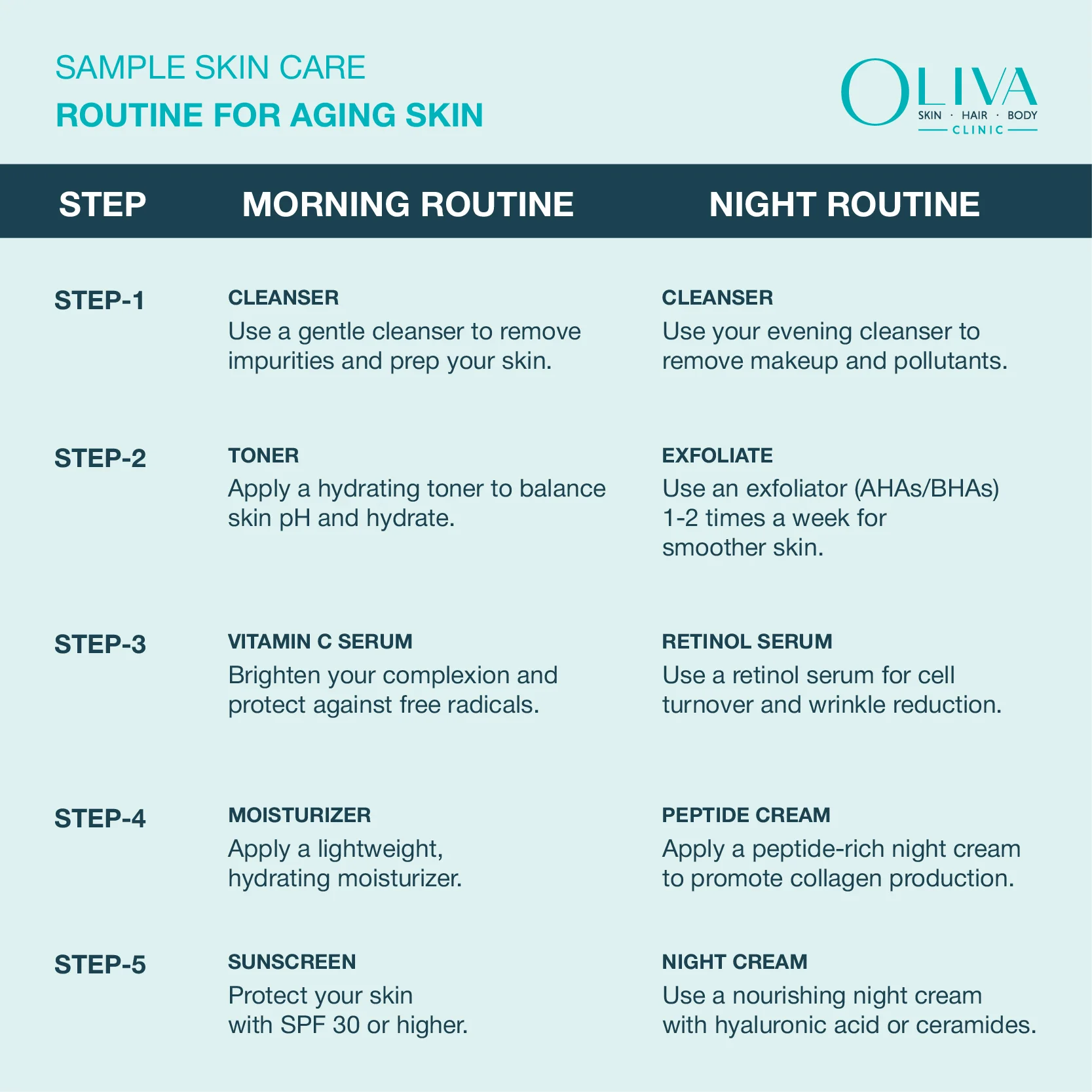
On the flip side, cultivating healthier daily routines can slow down this process significantly. When we prioritize nourishing our bodies, managing stress, and protecting ourselves from environmental damage, we’re essentially giving our skin the support it needs to stay resilient and vibrant.
The Science Behind Anti-Aging Skincare and Lifestyle Synergy
Anti-aging skincare products are designed to target specific skin concerns such as fine lines, uneven texture, and loss of elasticity. Ingredients like retinol, vitamin C, and peptides work to stimulate collagen production and protect skin cells. However, their effectiveness is amplified when combined with lifestyle habits that reduce internal and external stressors on the skin.
For example, antioxidants in your diet complement topical antioxidants by neutralizing free radicals internally, while exercise boosts circulation to deliver vital nutrients to skin cells. When these elements come together, they create a powerful synergy that enhances the skin’s ability to repair and rejuvenate itself.
Dietary Adjustments to Boost Your Skin’s Vitality
Foods Rich in Antioxidants and Their Role in Skin Health
What you eat directly impacts your skin’s quality. Antioxidants found in colorful fruits and vegetables help fight oxidative stress, one of the primary causes of skin aging. Blueberries, spinach, nuts, and green tea are all excellent sources of these protective compounds. Regularly incorporating these foods into your meals helps maintain skin elasticity and prevents premature wrinkles.
It’s not just about snacks and side dishes; your main meals matter too. Consuming omega-3 fatty acids found in salmon, flaxseeds, and walnuts supports skin hydration and reduces inflammation, making your complexion appear plumper and more youthful.
Hydration: More Than Just Water
While drinking plenty of water is essential, hydration is a bit more nuanced than just gulping down fluids. Balance is key. Leafy greens and fruits with high water content add to your overall hydration and provide vitamins and minerals that encourage healthy skin.
Additionally, consuming herbal teas or infused waters can be refreshing ways to stay hydrated without excess caffeine or sugars. Remember, well-hydrated skin tends to look more radiant and resilient against environmental aggressors.
Limiting Sugar and Processed Foods for Skin Longevity
Sugar and heavily processed foods can sabotage your anti-aging efforts by promoting inflammation and collagen breakdown. These foods trigger glycation, a process where sugar molecules attach to proteins like collagen, making them stiff and less functional. This results in loss of skin elasticity and the appearance of fine lines.
Cutting back on pastries, sodas, and fast food while opting for whole, natural options not only benefits your overall health but also helps your skin retain its youthful bounce much longer.
Incorporating Physical Activity to Enhance Skin Appearance
The Impact of Regular Exercise on Circulation and Skin Renewal
Exercise isn’t just for your heart and muscles; it’s a boon for your skin too. Physical activity increases blood flow, which helps transport oxygen and nutrients to skin cells more efficiently. This surge in circulation assists in flushing out toxins and encourages cell regeneration, making your skin look fresher and more awake.
Beyond surface-level benefits, exercise helps regulate hormone levels that can otherwise contribute to skin issues such as acne or sensitivity. It’s truly a holistic approach to maintaining skin vitality.
Recommended Workouts for Glowing Complexion
Not all workouts affect your skin equally, but many forms of exercise can promote a healthy glow. Cardiovascular activities like jogging, cycling, or even brisk walking are excellent because they get your heart pumping consistently. Yoga and Pilates are also beneficial by reducing stress and improving circulation through mindful movement.
Consistency matters more than intensity here—regular moderate exercise will do wonders as part of your skincare complement.
Optimizing Sleep for a Youthful Glow
Sleep Cycles and Skin Repair Mechanisms
Quality sleep is often called the “beauty sleep” for good reason. During deep sleep cycles, your body goes into repair mode, producing growth hormones that repair skin cells and increase collagen synthesis. This process restores elasticity and fades damage from environmental stressors.
Insufficient or poor-quality sleep can lead to dullness, puffiness, and accelerated wrinkle formation. That’s why getting enough restful sleep is fundamental to any anti-aging skincare routine.
Creating a Nighttime Routine That Supports Anti-Aging
Developing a consistent bedtime schedule helps regulate your body’s internal clock, improving overall sleep quality. Pair this with calming activities like gentle stretching, reading, or meditation to wind down effectively.
Additionally, refrain from screens at least an hour before bed to minimize blue light exposure that can disrupt your circadian rhythms. A soothing skincare ritual using products with ingredients like hyaluronic acid or peptides can also signal your body it’s time to rest and repair.
Stress Management Techniques That Benefit Skin Health
How Chronic Stress Affects Skin Aging
Prolonged stress triggers the release of cortisol, a hormone that can accelerate skin aging in several ways. High cortisol levels break down collagen, impair skin barrier function, and increase inflammation, leading to premature wrinkles, redness, and breakouts.
Understanding this connection highlights why managing stress isn’t just about mental well-being but also about maintaining your skin’s youthful appearance.
Practical Relaxation Practices to Incorporate Daily
Integrating stress-relief techniques into your daily routine can pay off for your skin over time. Practices like deep breathing exercises, mindfulness meditation, or even short nature walks provide mental breaks that reduce cortisol levels.
Even simple habits like listening to calming music or spending time with loved ones foster relaxation, indirectly supporting your skin’s health and resilience.
Sun Protection Beyond Skincare Products
Behavioral Changes to Minimize UV Exposure
While applying sunscreen is critical, relying only on topical protection doesn’t fully guard your skin against aging UV rays. Behavioral changes such as seeking shade during peak sun hours and avoiding tanning beds can drastically reduce cumulative sun damage.
Being mindful about your sun exposure habits complements your skincare, preventing pigmentation, dryness, and collagen breakdown associated with UV radiation.
Choosing Protective Clothing and Accessories
Another practical strategy is incorporating sun-protective fashion into your wardrobe. Lightweight hats with wide brims, UV-blocking sunglasses, and long-sleeved garments made from breathable fabrics offer physical barriers to harmful rays.
These accessories not only shield your skin but add an effortless style statement to your day-to-day look.
Additional Lifestyle Tips to Consider
Avoiding Smoking and Excessive Alcohol Consumption
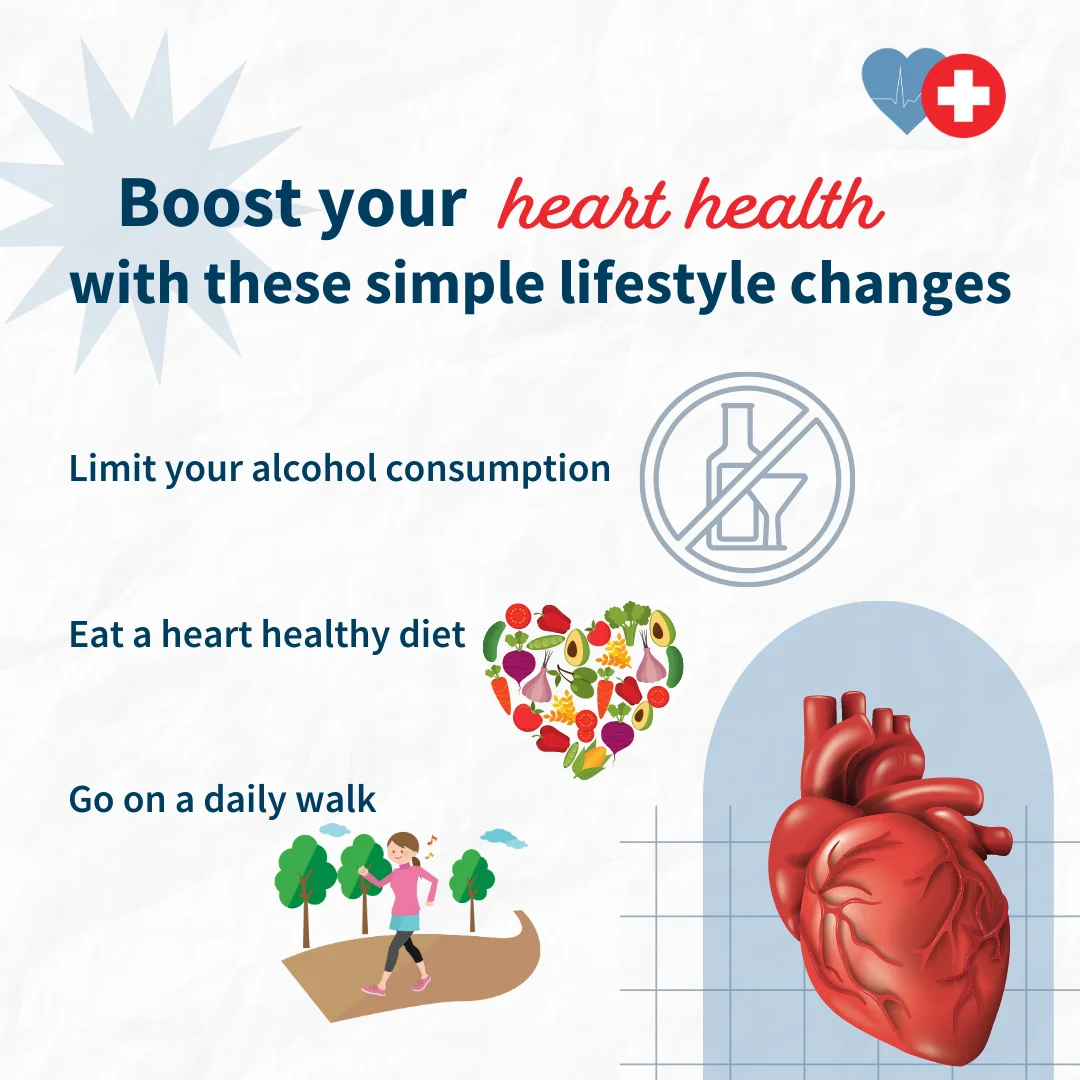
Smoking restricts blood flow, depletes oxygen, and damages collagen and elastin—the very fibers that keep skin firm and elastic. Similarly, excessive alcohol intake dehydrates skin and may provoke inflammation.
Steering clear of these habits is one of the most effective changes you can make to extend the benefits of your anti-aging skincare routine. Your skin will thank you for the fresher, smoother appearance.
Maintaining Consistent Skincare Routines with Lifestyle Changes
As you adjust your lifestyle, it’s important to maintain a consistent skincare regimen. Changes like improved diet, better sleep, and reduced stress work best alongside regular cleansing, moisturizing, and targeted treatments.
By synchronizing these efforts, you create a foundation where skincare products can perform optimally and deliver lasting, visible results.
Quick Takeaways
Small lifestyle changes can profoundly complement your anti-aging skincare. Focus on nourishing your skin from the inside out by eating antioxidant-rich foods and staying hydrated. Regular exercise and quality sleep accelerate skin repair and renewal. Managing stress and minimizing sun exposure further safeguard your skin’s youthfulness. Avoid habits like smoking and excessive drinking that cause premature aging. Together, these steps build a holistic, effective approach that supports your skincare efforts and keeps your complexion glowing.
Conclusion
Achieving youthful skin is not just about what you apply, but how you live. By embracing simple yet powerful lifestyle adjustments, you amplify the benefits of your anti-aging products and create an environment where your skin can truly thrive. It’s about nurturing your body, mind, and skin in harmony—an approach that pays off with radiant, healthy skin for years to come.