Understanding Skin Texture and Its Importance
What Defines Skin Texture?
Skin texture refers to the surface quality of your skin—the smoothness, softness, and overall appearance when you touch or look at your face. It can range from fine and velvety to rough or uneven with visible pores, bumps, or dryness. Essentially, it’s the feel and look of your skin that tells a lot about its health and vitality.
Factors That Affect Skin Texture
Many things can influence your skin’s texture. Aging naturally slows down skin cell turnover, which can make the surface appear dull or rough. Environmental elements like sun exposure, pollution, and harsh weather erode skin barriers and cause damage over time. Lifestyle choices—such as diet, hydration levels, and sleep quality—play significant roles, too. Even the products you use can make a difference, either improving the texture or making it worse if they’re too harsh or drying.
The Power of Nighttime in Skin Renewal
Why Nights are Crucial for Skin Repair
Nighttime is when your skin enters its repair mode. While you sleep, the body shifts focus toward regenerating tissues, producing collagen, and clearing away damaged cells. This natural process means your skin is more receptive to beneficial ingredients in your nighttime skincare routine. Skipping this time to care for your skin means missing a prime opportunity for rejuvenation.
The Role of Circadian Rhythm in Skin Health
Your skin, like many systems in your body, follows a circadian rhythm—a 24-hour internal clock that regulates functions such as blood flow and cell regeneration. At night, these processes peak, enhancing the skin’s ability to absorb nutrients and repair itself. Aligning your skincare routine with this rhythm ensures you maximize the impact of your efforts.
Essential Steps for a Simple Nighttime Skin Ritual
Step 1: Gentle Cleansing Techniques
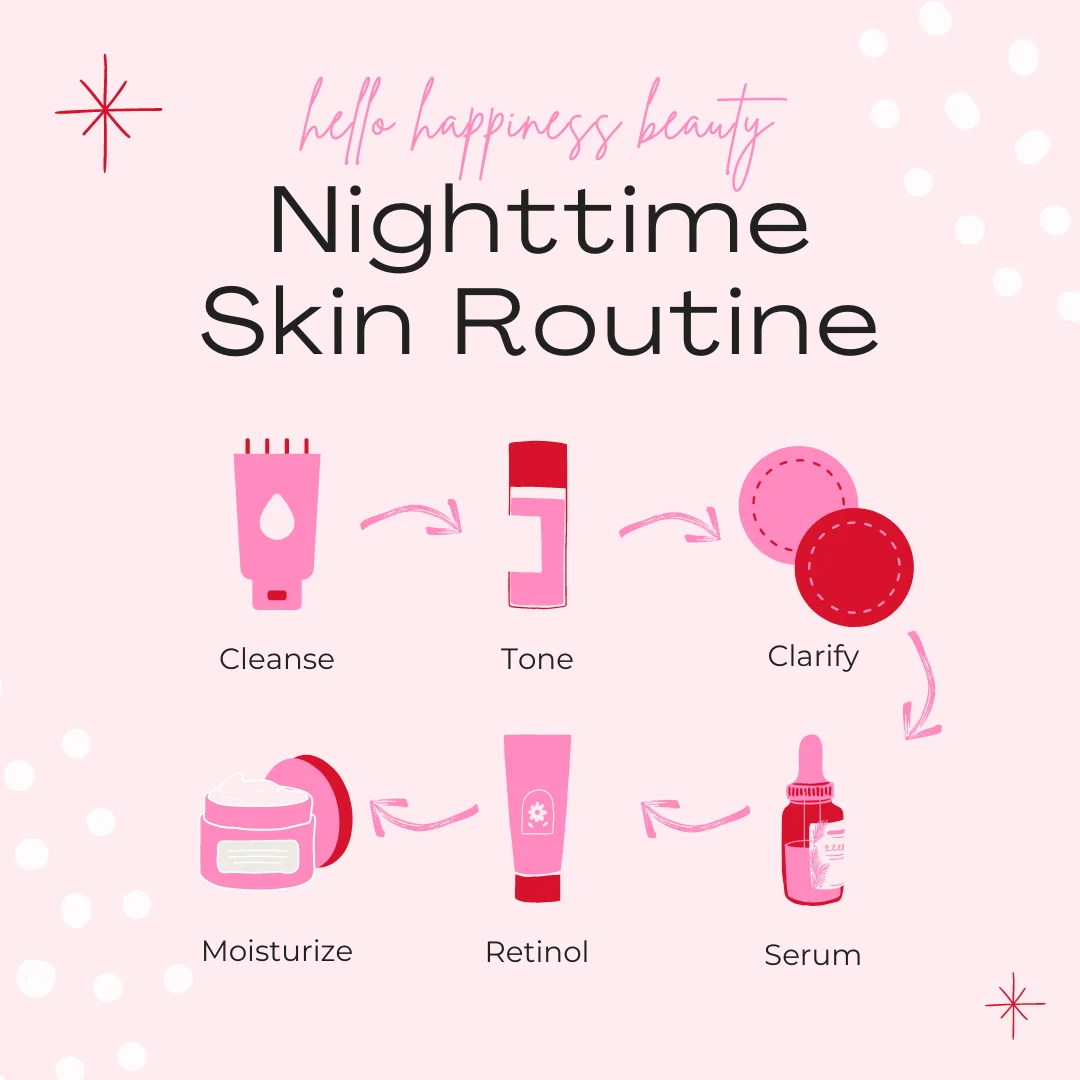
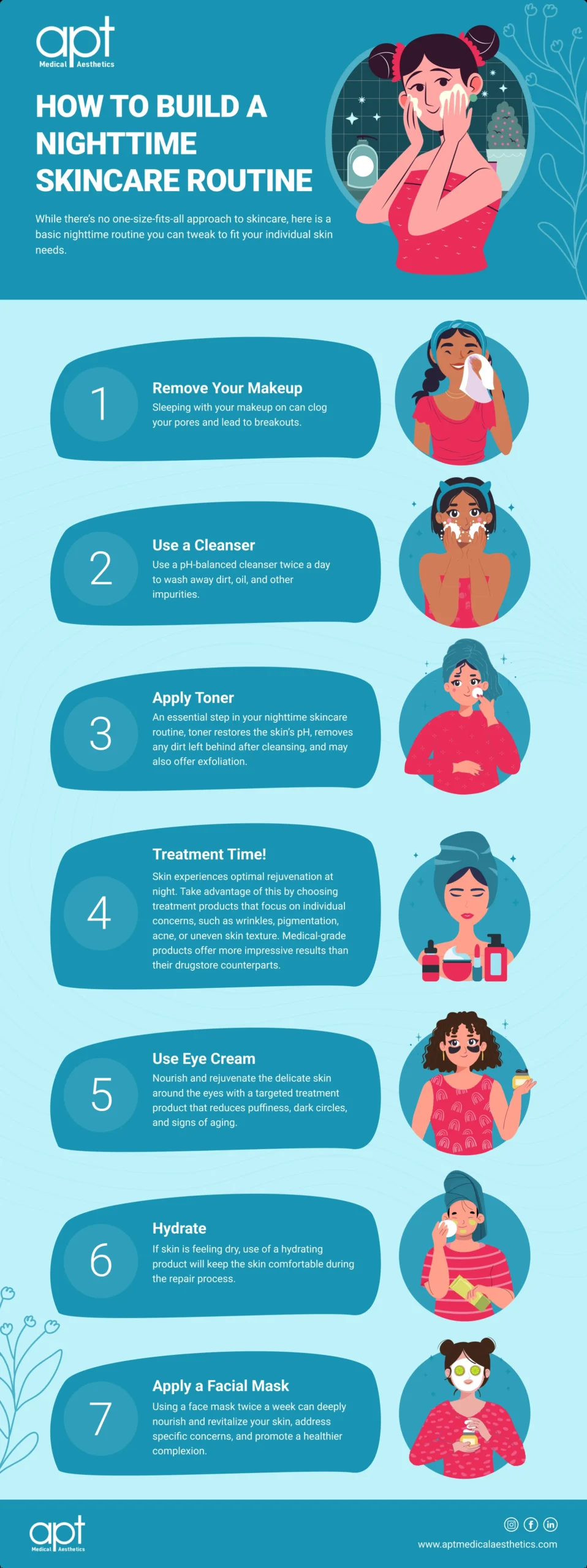
The foundation of any effective nighttime routine is cleansing. Removing makeup, dirt, and oils accumulated throughout the day prevents clogged pores and dullness. But the key here is to cleanse gently. Over-washing or using harsh cleansers can strip away essential oils, leading to dryness and irritation. Opt for a mild, hydrating cleanser and use lukewarm water to avoid shocking your skin.
Step 2: Exfoliation—Frequency and Methods
Exfoliation clears away dead skin cells that contribute to rough texture and clogged pores. However, it’s essential not to overdo it. Depending on your skin type, exfoliating two to three times a week with either a chemical exfoliant like AHA or a gentle physical scrub can brighten your complexion and smooth the skin’s surface. Remember, less is often more—over-exfoliating can cause redness and sensitivity.
Step 3: Nourishing Toners and Serums
After cleansing and exfoliating, applying a toner helps restore your skin’s pH balance and primes it to absorb serums. Serums usually contain concentrated active ingredients that target specific concerns like texture or dryness. Ingredients such as niacinamide or peptides can enhance skin elasticity and texture. Applying these products while your skin is still damp improves penetration and effectiveness.
Step 4: Night Creams and Moisturizers
Night creams are richer and designed to lock in moisture while supporting skin repair. Using a moisturizer suited to your skin type helps create a protective barrier, preventing water loss and improving overall softness. Ingredients like ceramides and antioxidants in formulations can also strengthen the skin’s defense mechanisms and promote a smoother surface.
Step 5: The Importance of Nighttime Hydration
Hydration is a cornerstone of healthy skin texture. During the night, your skin can become dehydrated due to moisture loss, especially in dry or air-conditioned environments. Incorporating hydrating products containing humectants like glycerin or hyaluronic acid ensures your skin retains water, plumping up cells and reducing the appearance of roughness and fine lines.
Top Natural Ingredients to Enhance Skin Texture Overnight
Retinol and Its Benefits
Retinol is a derivative of vitamin A and stands out as a powerhouse ingredient for improving skin texture. It accelerates cell turnover, helping to fade imperfections and smooth rough patches. Regular use of retinol can even out tone and reduce fine lines within a week, although it’s essential to start gradually to avoid irritation.
Hyaluronic Acid for Deep Hydration
Known for its incredible ability to retain moisture, hyaluronic acid plumps up the skin, making it feel soft and supple. Applying it at night helps replenish the skin’s hydration levels as it works to draw water into the layers of skin, thereby smoothing texture and enhancing elasticity.
Vitamin C for Skin Brightening
Vitamin C is a potent antioxidant that not only brightens dull skin but also promotes collagen production. While commonly used in the morning, certain stabilized forms can be effectively included in a nighttime routine to boost your skin’s radiance and even texture.
Bonus Tips: Small Changes for Big Texture Improvements
Getting Quality Sleep to Boost Skin Health
Beauty sleep is more than a saying—it’s a reality. Getting enough deep, uninterrupted sleep allows your skin to undergo its natural repair process unhindered. Aim for 7-9 hours per night to give your skin the time it needs to refresh and restore itself, visibly improving texture faster.
Managing Stress for Clearer Skin
Stress triggers inflammation and hormonal imbalances that can worsen skin texture with breakouts and dullness. Incorporating relaxation techniques like meditation, yoga, or simple deep breathing can make a surprising difference in how your skin looks and feels.
Tracking Results: What to Expect After One Week
Signs of Improved Skin Texture
After just one week of consistent nighttime care, you may notice your skin feels softer, smoother, and more hydrated. Pores might appear less pronounced, and your complexion could look brighter and more even. While these results are encouraging, remember that deeper changes take time and patience.
Adjusting Your Routine for Continued Success
Skin needs can evolve based on seasons, age, or lifestyle shifts. If you experience any irritation or plateau in improvements, consider tweaking your products or frequency. Sometimes, introducing a new ingredient slowly or alternating exfoliation days can optimize results without overwhelming your skin.