Understanding Mindful Movement: The Basics
Definition and Key Principles
Mindful movement is the practice of bringing full awareness and intention to physical actions. It goes beyond simply moving your body; it involves being present in the moment, noticing sensations, breathing deeply, and connecting with your surroundings. The key principles revolve around attentiveness, slow deliberate motions, and non-judgmental acceptance of whatever arises during the movement. It’s about tuning into your body’s signals, fostering a harmonious mind-body connection.
Benefits for Mental and Physical Health
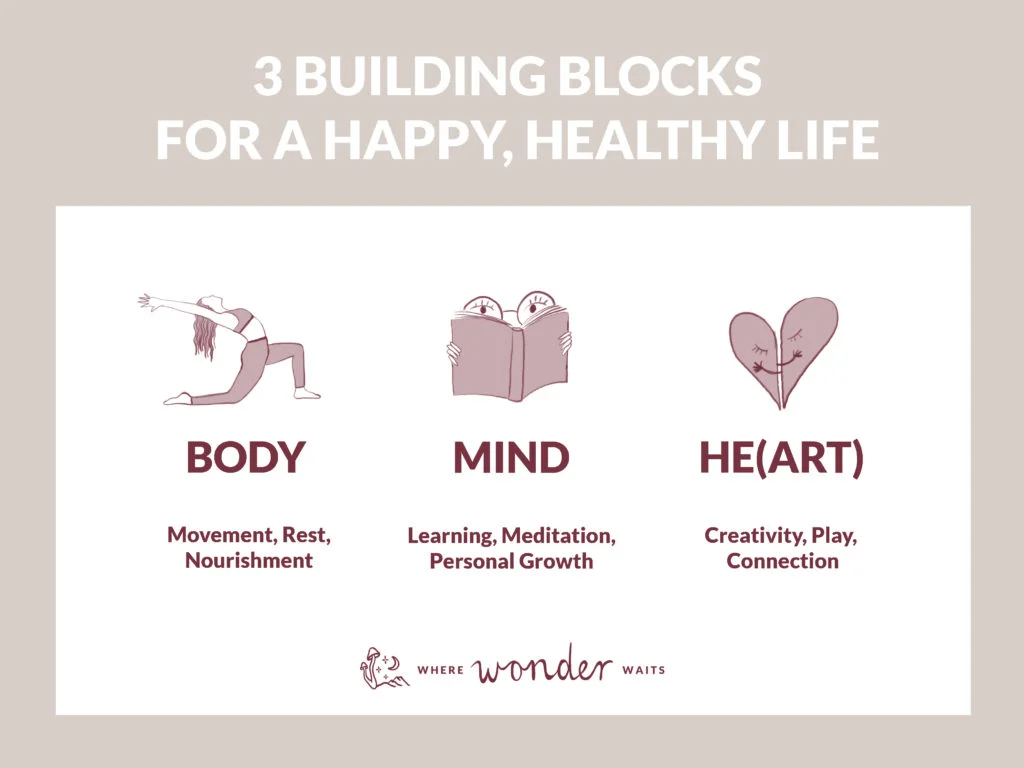
Incorporating mindful movement into your daily routine carries numerous benefits. Mentally, it reduces stress and anxiety by grounding you in the present moment, breaking the cycles of racing thoughts. Physically, it enhances flexibility, balance, and circulation. Many find that it aids in managing chronic pain or stiffness by promoting gentle mobilization without strain. In essence, mindful movement nurtures both mental clarity and bodily well-being, creating a powerful tool for overall health.
Preparing Your Mind and Body
Setting Realistic Expectations
Before diving into mindful movement, it’s important to approach it without lofty goals or pressure. It’s not about perfecting poses or pushing your limits but cultivating a calm, aware mindset. Setting attainable objectives, like spending five minutes focusing on breath and motion, helps prevent frustration. Remember, consistency matters more than intensity. Starting small and appreciating each moment helps build a sustainable habit.
Creating a Conducive Environment
Your surroundings play a vital role in how effectively you engage with mindful movement. Choose a quiet space free from distractions where you feel comfortable and safe. Natural light, fresh air, and minimal clutter can transform the experience. Even a corner of your living room or an outdoor spot can suffice if arranged thoughtfully. This environment acts as a gentle invitation for your body and mind to relax and tune in.
Daily Practices to Start With
Simple Morning Rituals
Beginning your day with mindful movement sets a positive tone and rejuvenates your spirit. A gentle stretch upon waking, combined with mindful breathing, can awaken your senses instantly. This doesn’t require special equipment or lengthy sessions—just a few mindful moments focusing on how your body feels. Starting slow allows you to ease into the day with intention and calmness.
Integrating Mindful Movement During Work Breaks
Sitting for long stretches can lead to tension and sluggishness. Use short breaks to reconnect with your body through mindful movements. Simple neck rolls, shoulder shrugs, or seated twists performed slowly and with attention can make a significant difference. These moments help reduce accumulated stress and restore energy, making your workday more productive and balanced.
Evening Wind-Down Techniques
As your day winds down, mindful movement can ease the transition to restful sleep. Gentle yoga poses or slow stretching combined with deep, deliberate breath work calms the nervous system and releases physical tension. This practice creates space for mental quietness, allowing you to let go of the day’s worries and prepare your body for restorative rest.
Choosing the Right Mindful Movement Techniques
Yoga and Stretching Routines
Yoga is a popular mindful movement technique that connects breath with flow. It encourages body awareness and relaxation while enhancing strength and flexibility. Simple stretching routines, even without formal yoga, can engage you mindfully—focusing on each muscle’s stretch and release. Choose gentle sequences that invite ease rather than challenge, especially when starting out.
Walking Meditation
Walking meditation transforms an ordinary walk into a deeply present experience. Instead of rushing, slow your pace and pay attention to each step, the contact of your feet with the ground, the rhythm of your breath, and the sights and sounds around you. This practice can be done anywhere—whether in a park or even indoors—and helps integrate mindfulness naturally into daily movement.
Breath-Focused Movement Exercises
Breathing is the bridge between mind and body, making breath-focused exercises foundational in mindful movement. Simple practices like coordinated breath with arm lifts or gentle torso twists amplify awareness and promote relaxation. These exercises are accessible and can be done seated or standing, offering a convenient way to reconnect with yourself throughout the day.
Developing Consistency
Building a Routine That Fits Your Lifestyle
Consistency is the secret ingredient to reaping lasting benefits from mindful movement. Tailor your practice to your daily rhythm—early mornings, lunch breaks, or evenings, whichever feels most natural. Blend mindful movement into your existing routine to avoid it feeling like another obligation. Even short sessions hold value; regularity creates momentum and deepens your connection with the practice over time.
Tracking Your Progress and Staying Motivated
Keeping track of your mindful movement journey can boost motivation and highlight subtle improvements. Journaling how you feel before and after sessions or using simple habit-tracking apps adds a layer of accountability. Celebrate small wins, like increased calm or reduced tension. Remember, mindful movement is about the process, not perfection—each step forward is progress.
Common Challenges and How to Overcome Them
Dealing with Time Constraints
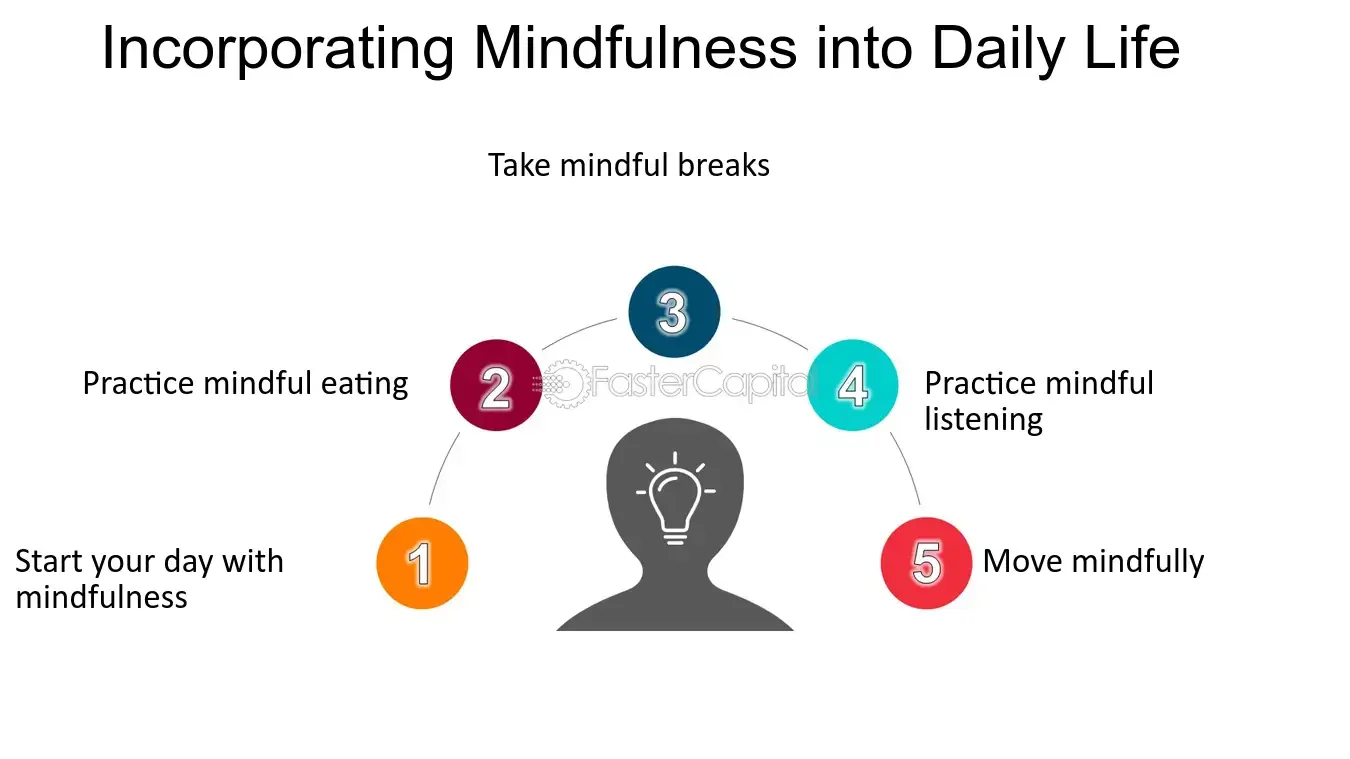
Finding time in a busy schedule can feel like the biggest hurdle. However, mindful movement thrives on quality rather than quantity. Even two to five minutes sprinkled throughout your day can be powerful if done with focus. Prioritize these moments as essential self-care rather than optional extras. Setting reminders or linking movement to existing habits, like after brushing your teeth, helps integrate it naturally.
Maintaining Focus and Avoiding Distractions
Distractions are inevitable, especially in today’s fast-paced world. When your mind wanders during mindful movement, gently bring your attention back to your breath and sensations without judgment. Practicing in a quiet environment aids concentration, but if interruptions happen, treat them as part of the practice in patience and redirection. Over time, your ability to maintain focus will strengthen.
Additional Tips for Enhancing Mindful Movement
Incorporating Technology and Apps
Technology can support your mindful movement journey when used wisely. There are numerous apps that offer guided meditative movement sessions, reminders, and progress tracking. These tools can introduce variety and structure, especially for beginners. Choose apps that emphasize gentle, intentional movement rather than intense workouts to keep the focus on mindfulness.
Joining Group Sessions or Classes
Some find greater motivation and enjoyment in group settings where an instructor guides mindful movement practices. Joining local classes or online groups can foster community and provide expert feedback. Engaging with others also helps maintain accountability and can deepen your understanding of techniques. However, remember that personal practice at your own pace remains equally valuable.