Understanding Emotional Boundaries
What Are Emotional Boundaries?
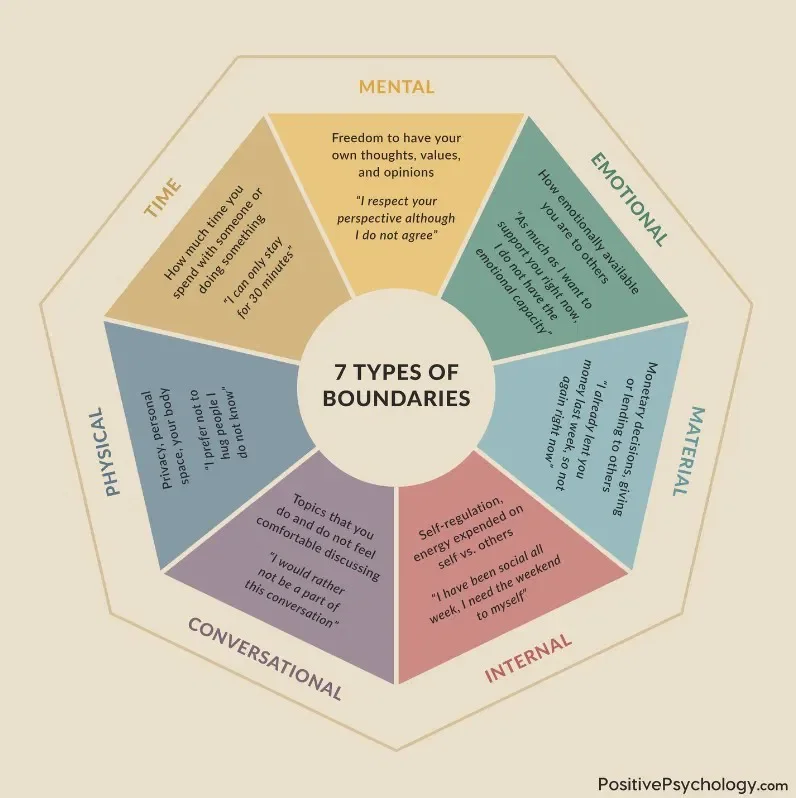
Emotional boundaries define the limits we set to protect our emotional well-being. They help distinguish our feelings from others’ and maintain a sense of self. Boundaries guide how much emotional energy we give and receive, preventing emotional exhaustion and confusion in relationships.
Why Setting Boundaries Is Essential for Healthy Relationships
Setting emotional boundaries fosters respect and understanding. It allows each person to feel safe expressing themselves without fear of judgment or manipulation. Healthy boundaries create balance, ensuring relationships are supportive rather than draining or controlling. Without clear boundaries, misunderstandings and resentment often grow.
Common Challenges in Communicating Emotional Boundaries
Signs You Need to Set Emotional Boundaries
You may feel overwhelmed, taken for granted, or resentful frequently. Emotional fatigue, stress after interactions, or feeling guilty for saying no are clear signs. Recognizing these feelings early helps prevent deeper emotional harm and maintains personal integrity in relationships.
Barriers to Effective Boundary Communication
Fear of conflict, guilt, or a desire to please others often stop people from expressing limits. Misunderstandings may arise if boundaries aren’t communicated clearly or if the other person lacks emotional awareness. Additionally, cultural or familial expectations can blur personal limits, making communication more difficult.
Practical Strategies for Expressing Emotional Boundaries
Using “I” Statements to Express Your Needs
Communicating boundaries with “I” statements centers your feelings and experiences without blaming others. For example, saying “I feel overwhelmed when conversations focus on my personal issues constantly” is more effective than accusing. This approach invites understanding and reduces defensiveness.
Timing and Setting for Boundary Discussions
Choosing the right moment is crucial. Discuss boundaries when both parties are calm and receptive, not during heated moments. Private, relaxed environments encourage open dialogue. Clear communication thrives when distractions are minimal and focus is on mutual respect.
Non-Verbal Communication and Emotional Boundaries
Body language, tone, and facial expressions reinforce verbal messages. Maintaining eye contact and steady posture conveys confidence. Conversely, crossed arms or avoidance may confuse the intended boundary. Non-verbal cues should align with spoken words to strengthen the message.
Maintaining Boundaries to Prevent Resentment
Consistency and Reinforcement Techniques
Boundaries require ongoing attention. Consistency in enforcing limits prevents confusion and builds trust. Repeating your boundaries calmly when needed and using gentle reminders helps maintain clarity. Affirming your limits regularly shows that they are important and non-negotiable.
Handling Boundary Violations Gracefully
When boundaries are crossed, responding with calm but firmness is key. Express how the violation made you feel without aggression. Setting consequences thoughtfully, like limiting interaction temporarily, reinforces your stance. Avoiding blame preserves connection while protecting your needs.
Building Emotional Intelligence to Support Boundaries
Recognizing Your Emotions and Triggers
Awareness of your feelings helps identify when boundaries are needed. Understanding triggers allows preemptive action before resentment builds. Regular self-reflection and mindfulness enhance emotional clarity, making it easier to communicate limits thoughtfully.
Developing Empathy Without Overstepping Boundaries
Empathy fosters connection but should respect personal limits. Listening actively and validating feelings without absorbing others’ emotional burdens protects your well-being. Striking this balance maintains compassion while preserving your own emotional space.
When to Seek Outside Support
Role of Therapy and Counseling in Boundary Issues
Professional guidance provides tools to identify, establish, and communicate boundaries effectively. Therapists help explore underlying issues causing boundary challenges and offer tailored strategies. Supportive counseling fosters healthier relationship patterns and strengthens emotional resilience.
Support Networks and Boundary Reinforcement
Trusted friends and family can provide encouragement and perspective. Sharing your boundary goals with supportive individuals helps reinforce commitment. Sometimes, observing how others respect their own boundaries serves as a valuable model for personal growth.