Understanding the Importance of Evening Self-Care
The Science Behind Stress Reduction
Stress is a natural response to daily challenges, but when it accumulates, it can disrupt sleep, impair mood, and affect overall well-being. Evening self-care routines play a crucial role in counteracting this stress buildup by activating the body’s relaxation response. This calming effect helps reduce heart rate and lowers levels of stress hormones such as cortisol, preparing the mind and body for restful sleep. Without effective ways to unwind, the lingering tension can lead to difficulty falling asleep and restless nights, perpetuating the cycle of stress.
Benefits of Wind-Down Routines Before Bed
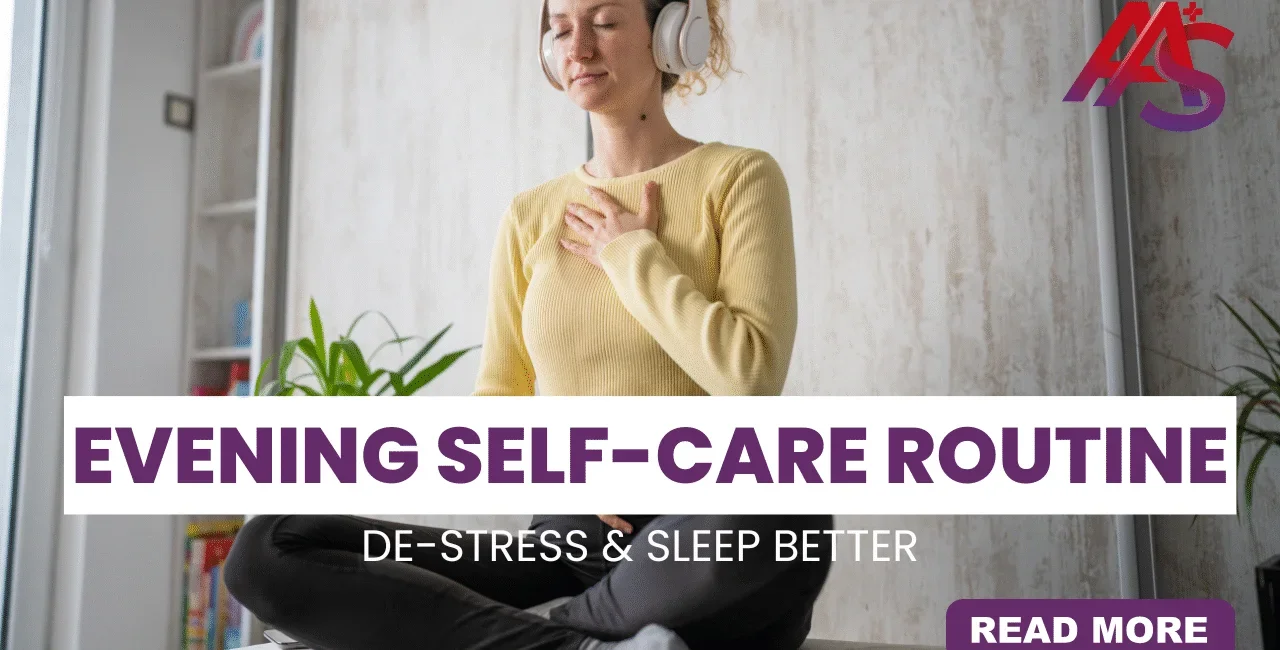
Engaging in a wind-down routine before bedtime offers more than just relaxation; it sets a clear mental signal that the day is ending and rest is forthcoming. This transition eases the shift from a busy, overstimulated state to one of calm focus on restfulness. People who regularly practice evening self-care often experience improved sleep quality, reduced anxiety, and enhanced mood the following day. Additionally, these routines can increase mindful awareness, allowing individuals to process the day’s events more peacefully, leading to better emotional regulation over time.
Creating Your Personalized Evening Self-Care Plan
Assessing Your Stress Triggers
Recognizing what contributes most to your stress is the first essential step in designing an effective self-care plan. Stress triggers can vary widely, from work pressures and family demands to environmental noise or excessive screen time. Identifying these factors helps pinpoint what to avoid or modify in the evening hours. Failing to address core stressors can undermine self-care efforts, causing frustration and inconsistency. Careful assessment allows you to tailor a routine that targets your unique needs rather than applying generic solutions that may not resonate.
Choosing Activities That Soothe You
Not all relaxation techniques work equally for everyone. Some people find peace in quiet reading or gentle yoga, while others unwind through journaling or listening to calming music. Selecting activities that genuinely soothe you increases the likelihood of sticking with your routine. The goal is to engage in practices that encourage a state of ease without creating additional mental stimulation. Experimenting with different activities in the early stages can help discover what best supports your relaxation and stress reduction goals.
Setting Realistic Timeframes for Your Routine
One common reason self-care routines fail is setting overly ambitious time commitments. Evening schedules are often tight, so it’s important to select a timeframe that fits naturally into your lifestyle. Even 10 to 20 minutes of focused relaxation can be effective if practiced consistently. Allowing flexibility in your routine can prevent added pressure and help you view self-care as a rewarding, manageable habit instead of a chore. Realistic timing fosters sustainability and reduces the likelihood of skipping sessions due to feeling overwhelmed.
Practical Steps to Implement Your Self-Care Habit
Designing a Calm Environment at Home
The atmosphere of your surroundings strongly influences your ability to relax. Creating a calm environment involves minimizing clutter, dimming lights, and setting a comfortable temperature. Reducing electronic device usage and eliminating distractions can further help your mind transition to a peaceful state. Small changes like soft blankets or gentle lighting contribute to a cozy space where your body and mind can decompress effectively. This intentional environment makes it easier to slip into relaxation and fosters a stronger association between your space and your self-care routine.
Incorporating Mindfulness and Meditation
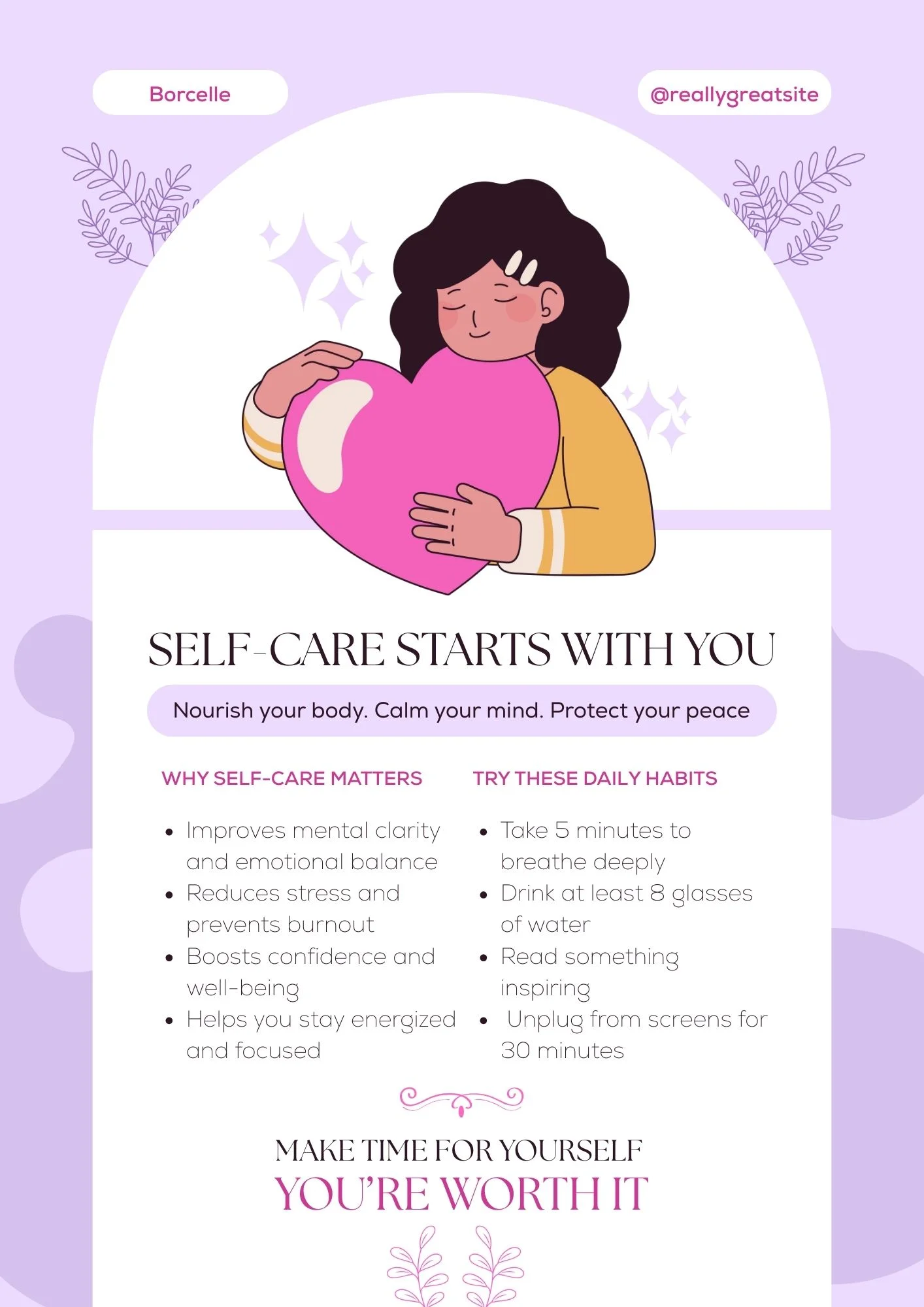
Mindfulness and meditation are powerful tools within evening self-care that encourage mental calmness and present-moment awareness. These practices help redirect attention away from stressful thoughts or worries, promoting emotional balance. Starting with just a few minutes of focused breathing or guided meditation can provide immediate relief from tension and cultivate long-term resilience to stress. By consistently integrating mindfulness techniques into your routine, you train your brain to better manage stress responses during both daytime and nighttime hours.
Utilizing Aromatherapy and Relaxing Sounds
Aromatherapy using essential oils such as lavender, chamomile, or sandalwood can enhance relaxation by engaging the senses and creating a soothing atmosphere. These scents have been traditionally associated with calming effects and may complement other self-care activities. Similarly, background sounds like gentle rainfall, ocean waves, or soft instrumental music can mask disruptive noises and encourage a deeper state of relaxation. Combining these sensory elements can elevate the experience and make your evening routine more enjoyable and effective.
Maintaining Consistency for Long-Term Benefits
Overcoming Common Obstacles
Many people struggle with maintaining an evening self-care habit due to competing priorities, fatigue, or lack of immediate results. These challenges can lead to skipping sessions and diminishing motivation. Anticipating these obstacles by setting reminders, simplifying routines on busy nights, or adjusting expectations helps build resilience. Viewing self-care as a flexible, evolving practice rather than a rigid rule allows for adaptations that keep it sustainable. Recognizing progress, no matter how small, also encourages continued commitment.
Tracking Progress and Adjusting Your Routine
Monitoring how your evening self-care affects your stress levels and sleep quality provides valuable feedback to refine your approach. Keeping a simple journal or checklist can highlight which activities bring the most relief and pinpoint when adjustments are needed. Life circumstances and stressors change, so evolving your routine accordingly ensures it remains relevant and effective. Regular reflection on this process strengthens your awareness and deepens the impact of your self-care habit over time.
Conclusion: Embracing a Stress-Free Evening Lifestyle
Building a relaxing evening self-care habit acts as a crucial buffer against everyday stress, promoting better sleep and emotional well-being. By understanding the importance of winding down, tailoring a routine to your needs, and creating an inviting environment, you set the stage for meaningful relaxation. Overcoming common challenges and consistently nurturing this habit leads to long-lasting benefits that extend beyond just the evening hours. Embracing this lifestyle allows you to reclaim your evenings as a sanctuary of calm, fostering resilience and balance in a hectic world.