Understanding the Impact of Back-to-Back Meetings on Mental Clarity
The Cognitive Load of Continuous Engagement
Back-to-back meetings demand relentless mental focus, often without enough time to process information or recharge. This uninterrupted cognitive engagement creates a significant mental load, draining your ability to think clearly and make decisions. The brain needs short breaks to reset; without them, mental clarity declines rapidly, impacting productivity and overall performance.
Signs of Mental Fatigue in a Meeting-Heavy Schedule
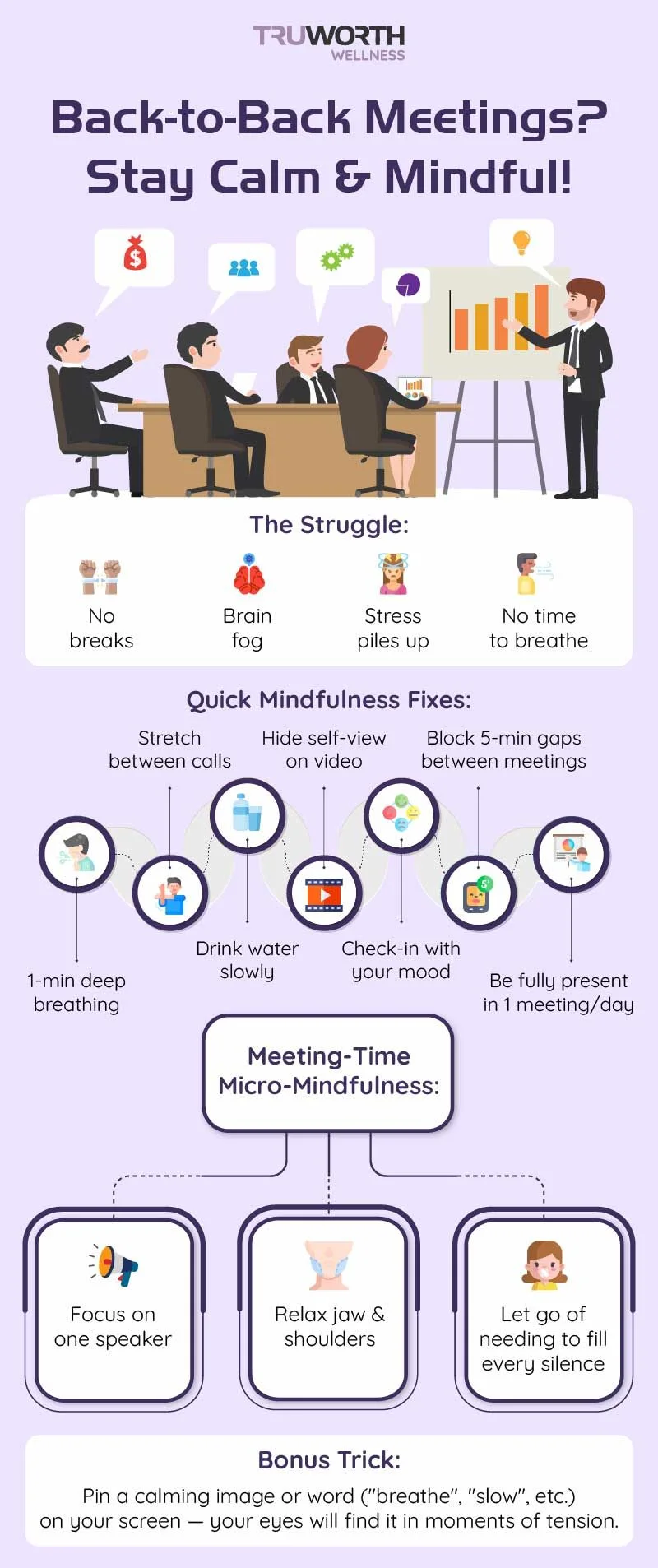
Mental fatigue manifests in several ways during a day filled with successive meetings. You might find it hard to concentrate, struggle to retain important details, or feel overwhelmed and irritable. Even subtle signs like zoning out or increased difficulty in following discussions indicate your brain is overwhelmed. Recognizing these signs early is crucial to prevent burnout and maintain effectiveness throughout the day.
Essential Quick Self-Care Practices Before Meetings
Mindfulness Techniques to Center Your Focus
Diving into a packed meeting schedule without preparation only worsens mental fatigue. Starting with a brief mindfulness routine can center your thoughts and calm your mind. Simple practices such as focusing on your breath or performing a quick body scan help quiet distractions and increase awareness. This focus boost sets a strong foundation, enabling you to engage more attentively and reduce stress during meetings.
Physical Warm-ups to Energize Your Body and Mind
Beyond calming the mind, your body also needs to be prepared for long sessions of mental exertion. Light physical warm-ups like stretching or gentle neck rolls can stimulate blood flow and reduce tension. Activating your body helps prevent the sluggishness that often accompanies sedentary meeting marathons, thereby enhancing alertness and mental clarity from the outset.
In-Meeting Strategies to Preserve Mental Sharpness
Active Listening and Note-Taking Hacks
Maintaining sharpness during extended meetings requires active engagement. Passive listening leads to quicker fatigue and reduced retention. Instead, employ techniques like summarizing key points mentally and jotting down concise notes. This practice not only reinforces your understanding but keeps your brain actively processing information, preventing wandering thoughts and dullness.
Using Breathing Exercises to Reduce Stress Instantly
Stress commonly spikes during intense discussions or when multitasking within meetings. Quick breathing exercises, such as taking slow, deep inhales followed by controlled exhales, can immediately reduce tension. These moments of mindful breathing act as mental reset buttons, lowering stress hormones and improving oxygen flow to the brain, which supports clear thinking and calmness.
Post-Meeting Recovery: Reset and Recharge
Short Movement Breaks and Their Benefits
Failing to decompress after meetings leaves residual cognitive strain that accumulates across the day. Incorporating short movement breaks—standing up, stretching, or walking briefly—helps flush out tension and reactivates circulation. These physical pauses give your brain a chance to rest and reset, which is essential for maintaining sustained energy and mental clarity.
Nutrition and Hydration Tips for Sustained Energy
Prolonged mental work also depletes physical resources, making proper nutrition and hydration vital. Skipping meals or consuming excessive caffeine can worsen mental fog. Opt for balanced snacks with protein and healthy fats, and drink water regularly. Staying nourished and hydrated supports brain function, stabilizes energy levels, and prevents mid-day crashes.
Creating a Sustainable Routine for Managing Extended Meeting Days
Scheduling Buffer Times Effectively
A common pitfall is back-to-back meetings scheduled without breaks, leaving no opportunity for mental resets. Intentionally building buffer times between appointments allows your brain to process information and recover. Even a five-minute pause can drastically improve focus for the subsequent meeting, making your day more productive and less exhausting.
Personalizing Self-Care for Long-Term Mental Clarity
Not all self-care strategies work equally for everyone. Personalizing your approach—whether through specific mindfulness methods, preferred types of physical activity, or tailored nutrition—ensures consistent effectiveness. Experiment with different techniques and observe what enhances your mental clarity most sustainably. Committing to this personalized routine can turn overwhelming meeting days into manageable and even energizing experiences.