Understanding Dry Hair and Its Needs
What Causes Hair to Become Dry?
Dry hair occurs when the scalp and hair strands lack sufficient moisture and natural oils. This can result from environmental factors such as exposure to sun, wind, or harsh chemicals, as well as excessive heat styling and frequent washing. Overuse of shampoos with sulfates can strip hair of its natural oils, making it brittle and prone to damage.
Signs Your Hair Washing Routine Might Be Damaging Dry Hair
Poor washing habits can worsen dryness. If your hair feels rough, frizzy, or breaks easily soon after washing, your current routine may be too harsh. Washing too often can remove essential oils, while using hot water can strip moisture. Also, a scalp that feels tight or itchy post-wash suggests irritation and excessive dryness.
Assessing Your Current Hair Washing Frequency
How Often Should You Actually Wash Dry Hair?
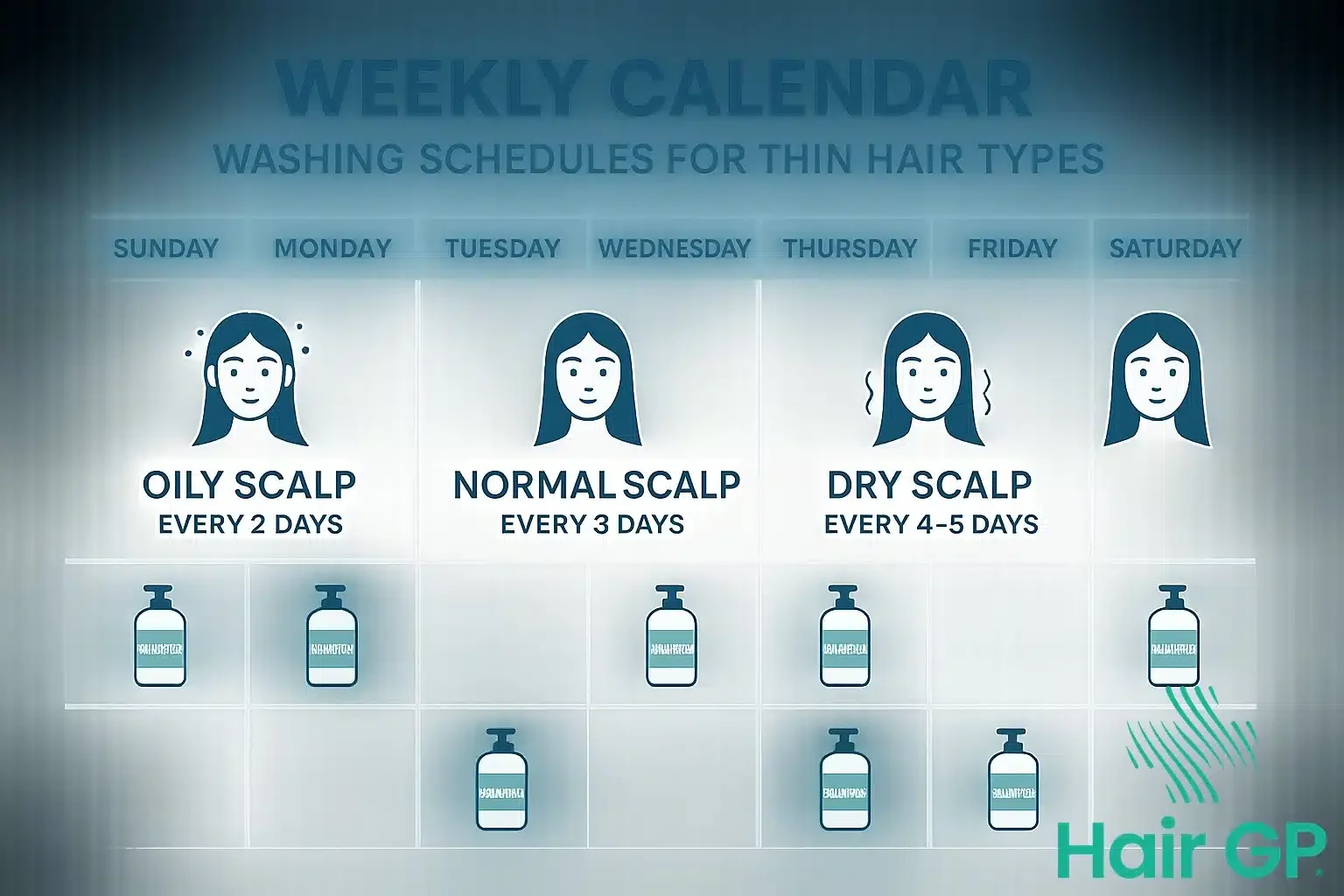
For dry hair, washing every two to three days is usually sufficient to maintain cleanliness without stripping oils. However, individual needs vary, and some may benefit from even less frequent washing. The goal is to cleanse the scalp while preserving natural moisture.
Factors Influencing Your Ideal Washing Schedule
Your lifestyle, hair type, and scalp condition impact how often you should wash. If you exercise frequently or sweat a lot, you might need more frequent cleansing. Conversely, chemically treated or curly hair often requires less washing. Seasonal changes can also alter your hair’s moisture balance.
Practical Steps to Adjust Your Hair Washing Routine
Gradually Reducing Wash Frequency Without Discomfort
Sudden changes can lead to greasy roots and discomfort. Instead, extend the time between washes gradually by a day or two, allowing your scalp to adjust. Using dry shampoo sparingly can help absorb excess oil. Over time, your scalp will regulate oil production, making less frequent washing feel natural.
Alternative Ways to Keep Scalp and Hair Fresh Between Washes
Refreshing hair without water or shampoo can be achieved through gentle scalp massages to promote circulation and oil distribution. Using a wide-tooth comb helps detangle and evenly spread oils. Light spritzes of water mixed with leave-in conditioner can add moisture and reduce frizz without a full wash.
Choosing the Right Hair Products for Dry Hair
Shampoos and Conditioners Suited for Dry, Damaged Hair
Opt for sulfate-free, moisturizing shampoos designed to cleanse gently. Look for ingredients like argan oil, shea butter, and glycerin that hydrate and nourish. Conditioners should be rich and creamy to restore moisture and smooth the hair cuticle, preventing further damage.
Benefits of Leave-In Conditioners and Hair Oils
Leave-in conditioners provide ongoing hydration and protect hair from environmental stressors. Hair oils, such as coconut or jojoba, seal in moisture and add shine without weighing hair down. Applying these products after washing can improve softness, manageability, and reduce breakage over time.
Additional Hair Care Tips to Prevent Damage
Protective Hairstyles and Their Role in Moisture Retention
Styles like braids, buns, or twists help minimize hair exposure to environmental damage and reduce breakage. They also lock in moisture and prevent tangling. Avoid overly tight hairstyles that stress hair roots, as this can cause additional damage and hair loss.
How Diet and Hydration Affect Hair Health
Healthy hair starts from within. Adequate water intake keeps the scalp hydrated, while a diet rich in vitamins, minerals, and proteins supports strong hair growth. Nutrients like biotin, vitamin E, and omega-3 fatty acids are particularly beneficial for restoring dry, damaged hair.
Monitoring Progress and Adjusting as Needed
Tracking Improvements in Hair Texture and Moisture
Keep a simple hair health journal to note changes in texture, softness, and strength after adjusting your washing routine. Regularly assess scalp condition and appearance to gauge if further modifications are needed. Small, consistent changes often yield the best results.
Knowing When to Consult a Hair Care Professional
If dryness persists despite changes, or if you experience severe breakage or scalp issues, seek professional advice. A dermatologist or trichologist can diagnose underlying problems and recommend treatments tailored to your specific needs.
Quick Takeaways
Dry hair benefits from less frequent washing to preserve natural oils. Gradual adjustments to your routine reduce discomfort and promote scalp balance. Choose gentle, hydrating products, and consider protective styles to enhance moisture retention. Nutrition and hydration play a supportive role. Monitor progress and consult professionals when necessary.
Conclusion
Adjusting your hair washing schedule is key to preventing further damage on dry hair. Understanding your hair’s unique needs, selecting appropriate products, and adopting practical care strategies help restore moisture and resilience. With patience and mindful habits, dry hair can regain health and vibrancy.