Understanding the Challenge of Difficult Conversations
Why Difficult Conversations Often Lead to Arguments
Difficult conversations are inherently challenging because they touch on sensitive issues, conflicting viewpoints, or emotions that people may find uncomfortable. When two parties enter a conversation feeling defensive or misunderstood, it’s easy for tension to escalate into arguments. The stakes often feel high, and sometimes people unintentionally prioritize winning the discussion over understanding the other person. This dynamic can quickly derail a constructive exchange and create barriers instead of solutions.
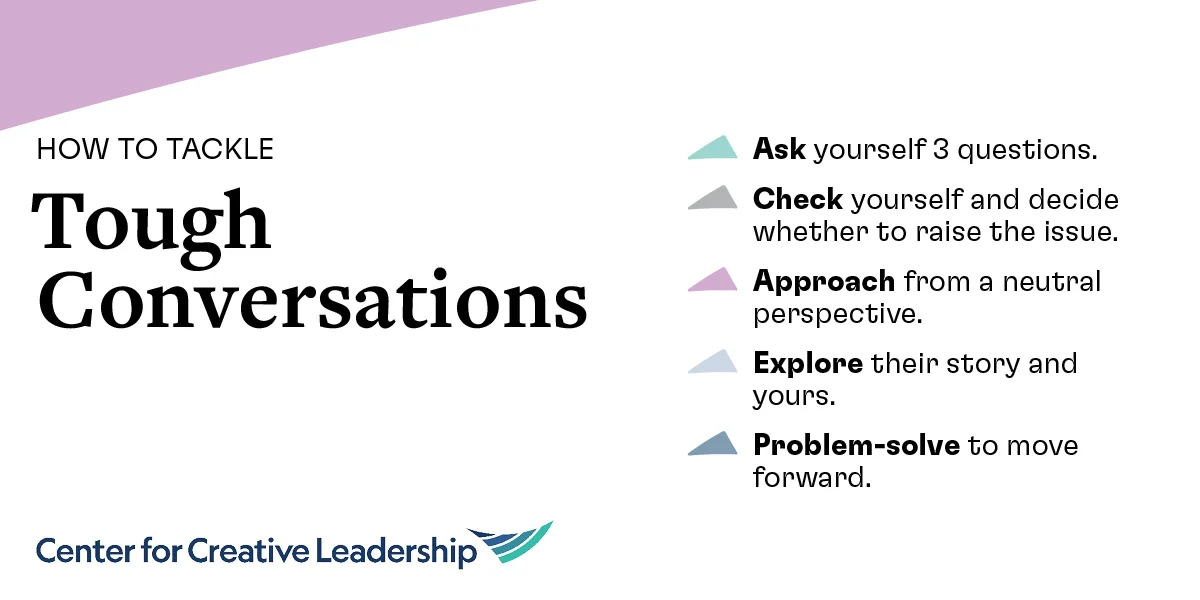
Psychological Triggers and Their Impact on Communication
Understanding the psychological triggers behind these conversations helps explain why they so often go sideways. People may feel attacked, disrespected, or invalidated, causing their fight-or-flight responses to kick in. This can lead to reactions driven by emotion rather than reason. Being aware of triggers such as perceived criticism, fear of rejection, or feeling unheard can help you navigate the conversation with more empathy. Acknowledging these triggers for both yourself and the other person is a crucial step in steering clear of unproductive conflict.
Preparation Techniques to Foster Calm Discussions
Setting Clear Objectives Before the Talk
Before initiating a difficult discussion, it’s essential to know what you want to achieve. Setting clear objectives prevents the conversation from wandering off into blame or frustration. Ask yourself what outcome you are hoping for—whether it’s finding a compromise, gaining clarity, or simply expressing your feelings. When your purpose is clear, you’ll communicate more calmly and stay focused, which can make the other person feel respected rather than attacked.
Choosing the Right Time and Environment
Timing and setting are often overlooked but play a big role in shaping the conversation’s tone. Choosing a quiet, private space where both parties feel safe can reduce distractions and defensiveness. Similarly, avoiding times when either person is tired or stressed increases the chances of a productive discussion. When everyone feels comfortable, the conversation has room to breathe instead of jumping into conflict right away.
Effective Communication Strategies
Using “I” Statements to Express Feelings
One of the simplest yet most powerful tools in managing difficult talks is using “I” statements. These statements help you own your feelings without blaming the other person, such as “I feel upset when…” instead of “You always…” This subtle shift makes the conversation less accusatory and invites the other person to understand your perspective. It fosters empathy rather than creating a defensive environment.
Active Listening and Its Role in De-escalation
Listening is just as important as speaking in these moments. Active listening means fully focusing on what the other person is saying without planning your response mid-conversation. When you reflect back or paraphrase their points, it shows that you’re truly hearing them. This can soften emotions and prevent misunderstandings. Often, people simply want validation that they’ve been heard—which can reduce tension immensely.
Managing Emotional Responses During Conversations
Recognizing Emotional Cues in Yourself and Others
During a tense dialogue, emotions may bubble up quickly. Being alert to signs of frustration, anger, or discomfort—both in yourself and others—enables you to address those feelings before they spark arguments. Sometimes a pause, a deep breath, or changing your tone can help defuse growing tension. Developing emotional awareness also means knowing when to take a short break if things are escalating.
Techniques to Stay Composed Under Pressure
Keeping your cool takes intentional practice. Techniques such as mindful breathing, grounding yourself in the present moment, or mentally rehearsing calming self-talk can help. It’s helpful to remind yourself that staying calm is not about suppressing feelings but choosing how you respond to them. When you manage your own emotions, it lowers the chance that the conversation turns adversarial.
Practice Scenarios for Skill Improvement
Role-playing Common Difficult Conversations
Practicing tough talks through role-playing can build your confidence and skillset. Whether with a friend, coach, or in a professional setting, simulating realistic scenarios helps you prepare what to say and how to react. It also uncovers blind spots and habitual patterns that may trigger conflict. With repetition, difficult conversations start to feel less daunting and more manageable.
Reflecting and Learning from Past Interactions
Every conversation is a learning opportunity. After a difficult talk, take time to reflect on what went well and what could improve. Did the conversation stay calm? Were your objectives met? What emotional signals did you notice? This reflection helps you grow communication skills over time. Learning to adjust your approach based on experience makes future difficult conversations smoother and less likely to devolve into arguments.