Understanding the Role of Protein in Weight Loss
Why Protein is Essential for Fat Reduction
Many individuals struggle with effective weight loss because they overlook the importance of protein in their diet. Protein plays a critical role in fat reduction by supporting muscle maintenance while encouraging the body to use fat stores for energy. Without sufficient protein, the body may break down muscle tissue during calorie deficits, slowing metabolism and making weight loss more difficult. Therefore, incorporating high-protein snacks helps protect lean muscle mass, which is essential for sustaining a healthy metabolic rate during weight loss.
How Protein Influences Metabolism and Appetite
Protein has a unique ability to increase thermogenesis, meaning the body burns more calories during digestion compared to fats or carbohydrates. This effect supports a higher metabolic rate, which directly aids in weight loss. Additionally, protein helps regulate appetite by increasing feelings of fullness and reducing hunger hormones. When snacks are rich in protein, they can prevent overeating and reduce cravings, making it easier to maintain a calorie deficit. Ignoring this relationship can lead to frequent snacking on less satiating foods, derailing weight loss efforts.
Top High-Protein Snacks to Boost Weight Loss
Natural and Whole Food Options
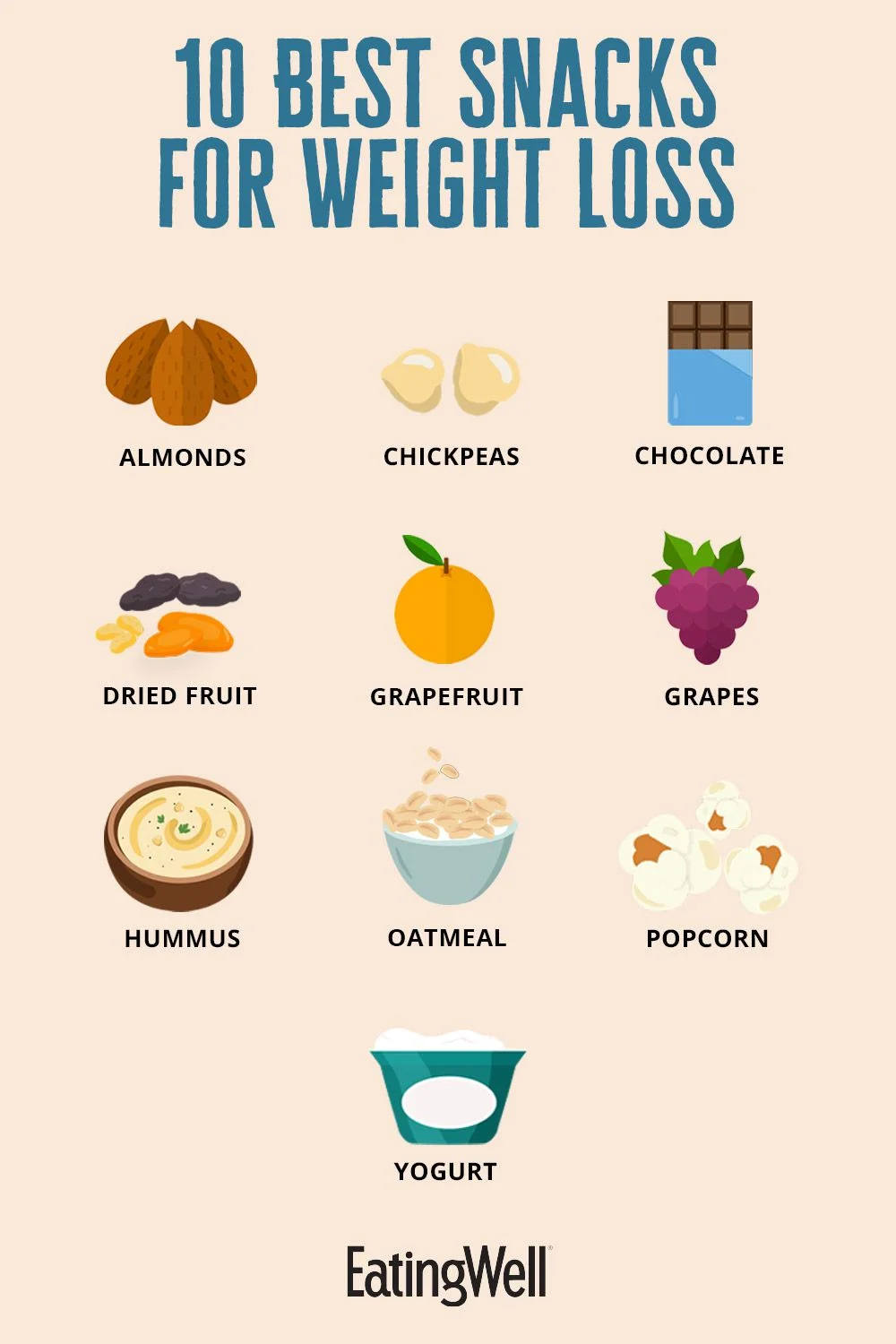
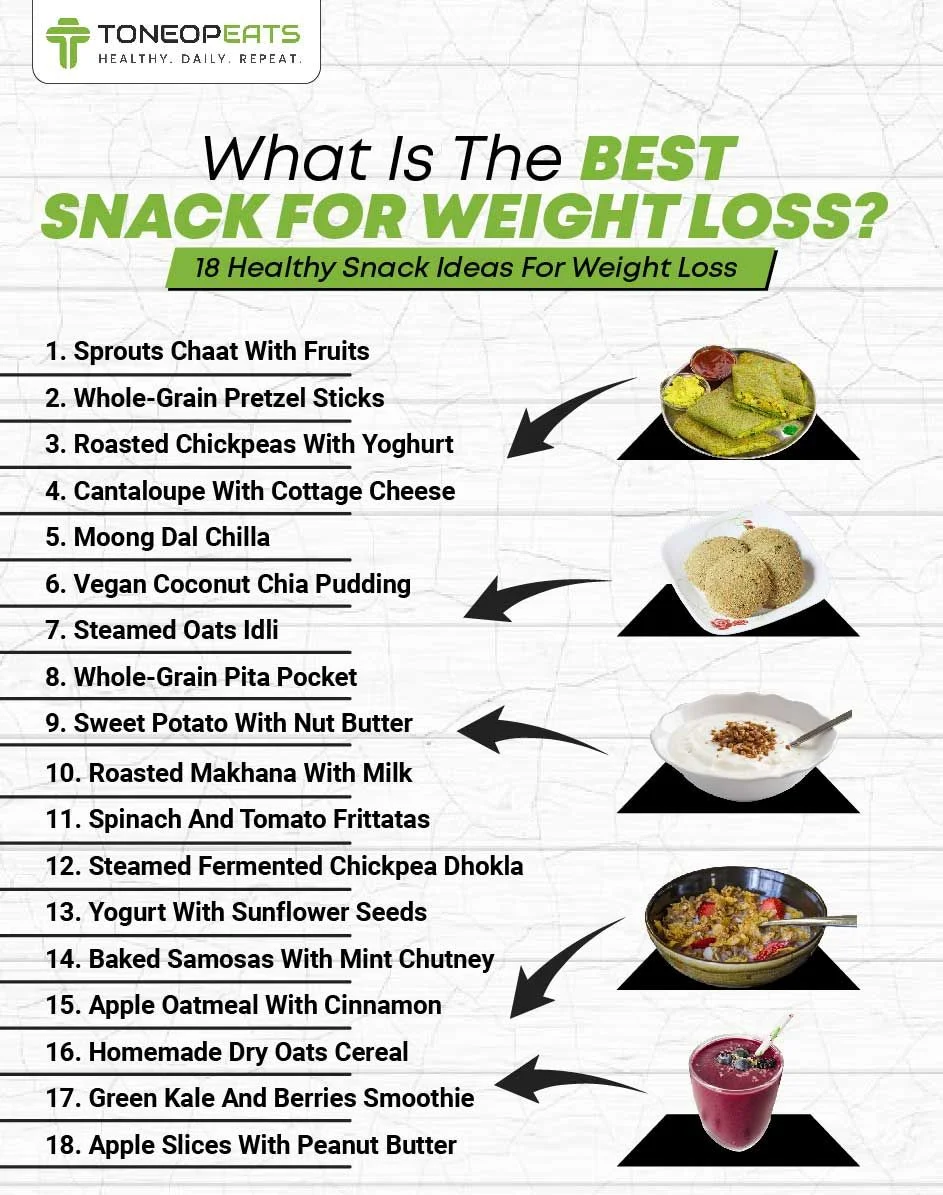
Choosing natural, whole food snacks ensures you get protein alongside important vitamins and minerals, avoiding unnecessary additives. Options such as Greek yogurt, cottage cheese, boiled eggs, or a handful of nuts provide ample protein while delivering beneficial nutrients. These snacks are not only nutrient-dense but also tend to have lower calories compared to processed products, making them ideal for weight loss. Incorporating fresh beans or edamame can also offer plant-based protein alternatives.
Convenient Packaged Snacks with High Protein Content
For those with busy schedules, packaged high-protein snacks such as protein bars, beef jerky, or roasted chickpeas are convenient choices. However, it is important to scrutinize labels for added sugars, artificial ingredients, and excessive calories that can undermine weight loss goals. Selecting products with clean ingredients and moderate calorie content ensures that convenience does not come at the cost of nutrition. Proper selection of these snacks can support consistent protein intake throughout the day.
Easy Ways to Add High-Protein Snacks into Your Daily Routine
Meal Timing and Snack Scheduling for Optimal Results
Incorporating high-protein snacks at strategic times helps regulate blood sugar and maintain energy levels, preventing excessive hunger later. Snacking mid-morning or mid-afternoon with protein-rich options can bridge the gap between meals, reducing the risk of overeating during main meals. Planning snacks around workout times, such as having protein just before or after exercise, can also enhance muscle recovery and fat loss. Without mindful timing, snacks might contribute to unnecessary calorie intake rather than support weight management.
Combining Protein with Other Nutrients for Balanced Snacks
While protein is crucial, pairing it with fiber, healthy fats, and complex carbohydrates can improve satiety and nutritional quality. For example, combining nuts with fruit or yogurt with chia seeds ensures sustained energy release. Balanced snacks prevent rapid spikes in blood sugar and maintain steady appetite control, enhancing overall weight loss success. Neglecting these combinations can lead to quick energy crashes and subsequent cravings, negatively impacting diet adherence.
Common Mistakes to Avoid When Choosing High-Protein Snacks
Hidden Sugars and Calories
A major pitfall in selecting high-protein snacks is failing to recognize hidden sugars and excess calories. Many snacks marketed as “high protein” contain added sugars or unhealthy fats that inflate calorie content and counteract weight loss efforts. This oversight often leads to unintentionally consuming more calories than intended, stalling progress. Being vigilant about reading nutrition labels helps avoid these hidden culprits, ensuring snacks truly contribute to fat reduction.
Overreliance on Processed Protein Products
Relying too heavily on processed protein powders or bars can result in nutritional imbalances and reduce diet variety. These products sometimes lack essential micronutrients and contain additives that may have adverse health effects over time. Additionally, excessive consumption may diminish enjoyment and satisfaction from natural foods, making long-term adherence difficult. Introducing a variety of whole food protein snacks is a safer and more sustainable approach for effective weight management.
Sample Snack Plans Featuring High-Protein Options
Low-Calorie Snacks for Busy Professionals
Busy professionals often struggle to find time for healthy snacks, leading to unhealthy choices or skipped nutrition. A practical snack plan could include Greek yogurt with a sprinkle of nuts mid-morning and boiled eggs in the afternoon. These snacks are quick to prepare, easy to carry, and high in protein, providing lasting energy without excessive calories. This approach helps maintain productivity while supporting weight loss.
Post-Workout High-Protein Snack Ideas
After exercise, the body requires protein to repair muscle and promote recovery. Effective post-workout snacks include cottage cheese paired with fruit, a protein smoothie with plant-based protein powder, or turkey slices wrapped around vegetables. These options are efficient in delivering the protein needed and replenishing energy stores. Skipping post-workout protein snacks can slow recovery and reduce the effectiveness of weight loss strategies centered on increased activity.
Tracking Progress and Adjusting Your Snack Choices
Using Apps and Tools to Monitor Protein Intake
One challenge in incorporating high-protein snacks is knowing if you are meeting your daily protein requirements. Utilizing nutritional tracking apps offers precise monitoring and helps identify gaps or excesses. This insight allows for informed adjustments in snack choices, ensuring protein intake supports your specific weight loss goals. Without tracking, individuals may unintentionally consume too little or too much protein, limiting success.
Adjusting Snacks Based on Weight Loss Goals
As weight loss progresses, nutritional needs can change, making it essential to adapt snack choices accordingly. For example, initial phases may require higher protein intake to preserve muscle, while later phases might focus on calorie reduction. Being flexible and responsive to your body’s feedback helps maintain momentum and prevents plateaus. Rigid snack routines can lead to frustration or diminished results, emphasizing the need for ongoing adjustment.