Introduction to Portion Control and Its Benefits
Many people striving to lose weight struggle with the tedious task of counting every calorie. Portion control offers a practical alternative that focuses on managing the amount of food consumed without the need for meticulous calorie tracking. By mastering portion control, individuals can reduce overeating, improve digestion, and create a sustainable approach to weight management. This strategy not only supports weight loss but also promotes a healthier relationship with food.
Understanding Portion Sizes: Common Misconceptions
A common problem when trying to control food intake is misunderstanding what constitutes an appropriate portion size. Many individuals either overestimate or underestimate portions, leading to unintended overeating or feeling deprived. This confusion often stems from unclear packaging labels, inconsistency in restaurant servings, and lack of visual references.
Visual Cues for Estimating Portions
One key cause of poor portion control is the absence of clear, relatable size comparisons. People often rely on measuring cups or scales, which aren’t always practical, especially outside the home. Visual cues, such as equating a portion of meat to the size of a deck of cards or a serving of rice to a fist, provide an easy and memorable way to estimate portions. This method helps people eat the right amount without measuring tools, reducing guesswork that leads to overeating.
The Difference Between Portions and Servings
Another misconception is confusing portion sizes with serving sizes listed on food packaging. A serving size is a standardized amount defined by manufacturers, while a portion is what an individual actually consumes. Often, a single portion can be multiple servings, which unintentionally increases calorie intake. Recognizing this distinction is crucial to making mindful decisions about how much to eat during each meal.
Practical Strategies for Controlling Portions
Portion control requires practical techniques to prevent unintentional overeating. One common issue is serving food on oversized plates or bowls, which encourages people to fill more than necessary without realizing it. Adjusting the physical environment where meals are eaten can greatly influence how much food is consumed.
Using Smaller Plates and Bowls
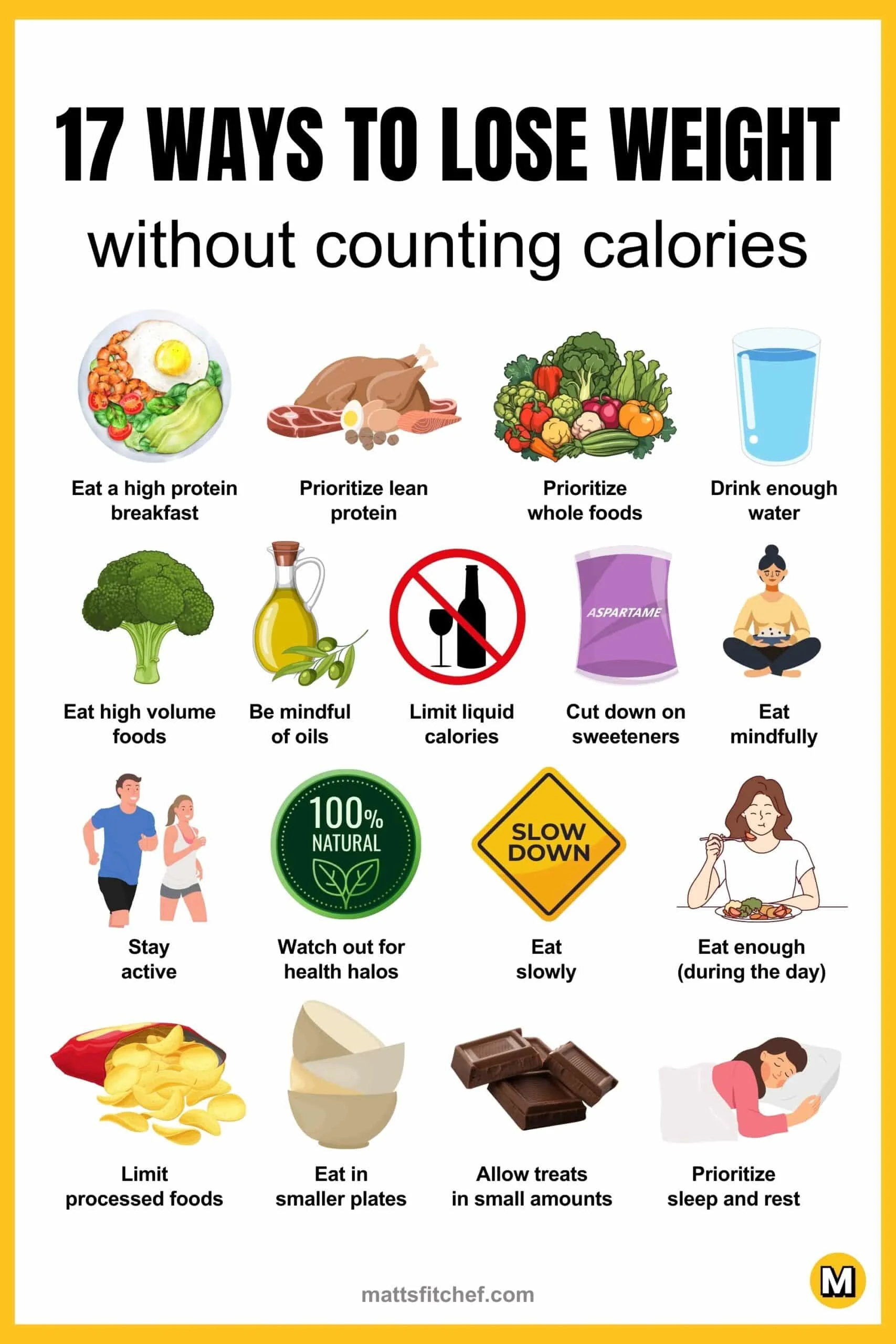
Using smaller dishes is an effective solution that tricks the brain into feeling satisfied with less food. When plates are smaller, portions appear larger, leading to greater satiety even when the quantity consumed is reduced. This simple switch can prevent eating past fullness, a frequent cause of weight gain.
Pre-portioning Snacks and Meals
Another cause of overeating is easy access to large quantities of food. Without planning, people may mindlessly eat straight from big packages or dishes. Pre-portioning snacks and meals into individual containers or bags limits intake by creating clear boundaries. Doing this in advance also encourages consistency and prevents impulsive eating.
Mindful Eating Techniques to Recognize Fullness
Ignoring hunger cues or eating quickly can cause people to overlook signals of fullness. Mindful eating, by focusing attention on the flavor, texture, and pace of eating, helps people better recognize when they are satisfied. This approach combats the common issue of eating out of habit or distraction, leading to healthier amounts consumed per meal.
Hydration: Drinking Water Before Meals

Sometimes hunger is confused with thirst, which results in unnecessary eating. Drinking a glass of water before meals can reduce appetite and make portions feel more filling. This simple step helps curb overeating caused by misinterpreted bodily signals and supports overall hydration, which is beneficial during weight loss.
The Role of Food Choices in Portion Control
Portion control is more effective when combined with thoughtful food selection. The types of foods chosen can impact how full a person feels and how easy it is to stick to smaller portions.
Choosing High-Fiber and Low-Calorie Foods
High-fiber foods such as vegetables, fruits, and whole grains add bulk to meals without contributing excessive calories. They slow digestion, promote fullness, and reduce the temptation to eat larger portions. Selecting these foods helps address the common problem of hunger persisting despite caloric control.
Incorporating Protein to Increase Satiety
Protein is another essential element that helps maintain fullness longer between meals. Including lean proteins like chicken, fish, or plant-based alternatives prevents early hunger pangs that often lead to snacking and portion creep. This combination helps people manage appetite naturally and consume appropriate amounts.
Planning and Preparing Meals for Effective Portion Control
Failure to plan meals often leads to portion control breakdowns, especially when hunger strikes unexpectedly. Planning and preparation create structure that supports consistent portion sizes and reduces reliance on guesswork.
Batch Cooking with Portioned Containers
Batch cooking meals and dividing them into portion-controlled containers offers convenience and accuracy. Having ready-to-eat meals in defined amounts minimizes the risk of overeating and ensures balanced nutrition. This method is particularly helpful for busy individuals prone to making impulsive food choices.
Meal Timing and Frequency to Avoid Overeating
Irregular meal patterns can lead to extreme hunger and subsequent overeating. Establishing regular meal times spreads calorie intake evenly throughout the day and prevents excessive portion sizes driven by excessive hunger. Smaller, more frequent meals may also improve energy levels and satiety, supporting better portion management.
Behavioral Tips to Maintain Portion Control Long-term
Maintaining portion control often requires changes in habits and behavior, beyond just practical techniques. Certain behaviors sabotage weight loss efforts by encouraging mindless or excessive eating.
Keeping a Food Diary Without Counting Calories
Many fear that tracking food means obsessive calorie counting. However, a simple food diary recording what and when you eat can increase awareness without focusing on numbers. Being conscious of portion sizes and eating patterns helps identify problem areas and reinforces positive habits over time.
Avoiding Distractions While Eating
Eating while watching TV or using digital devices often results in eating more than necessary because attention isn’t on the meal. Removing distractions encourages mindfulness during meals and helps people better recognize fullness. This behavioral change addresses a key cause of unconscious overeating, making portion control more effective and lasting.
Conclusion: Lasting Weight Loss Through Portion Control
Successfully managing portion sizes unlocks a sustainable way to lose weight without the stress of calorie counting. Understanding portion sizes, adjusting the eating environment, choosing the right foods, and adopting mindful habits work together to reduce overeating naturally. While challenges like misjudging portions or distracted eating are common, practical strategies and behavioral adjustments offer effective solutions. By integrating these approaches into daily life, individuals can achieve lasting weight loss and develop a healthy relationship with food.