Understanding Hair Oils: An Overview
What Are Hair Oils?
Hair oils are liquid substances derived from natural or synthetic sources designed to nourish, protect, and enhance the health of hair. They create a layer of moisture, seal split ends, and add shine. For dry hair, oils provide essential hydration and prevent further damage by replenishing lipids lost due to environmental stress or chemical treatments.
Common Ingredients in Hair Oils for Dry Hair
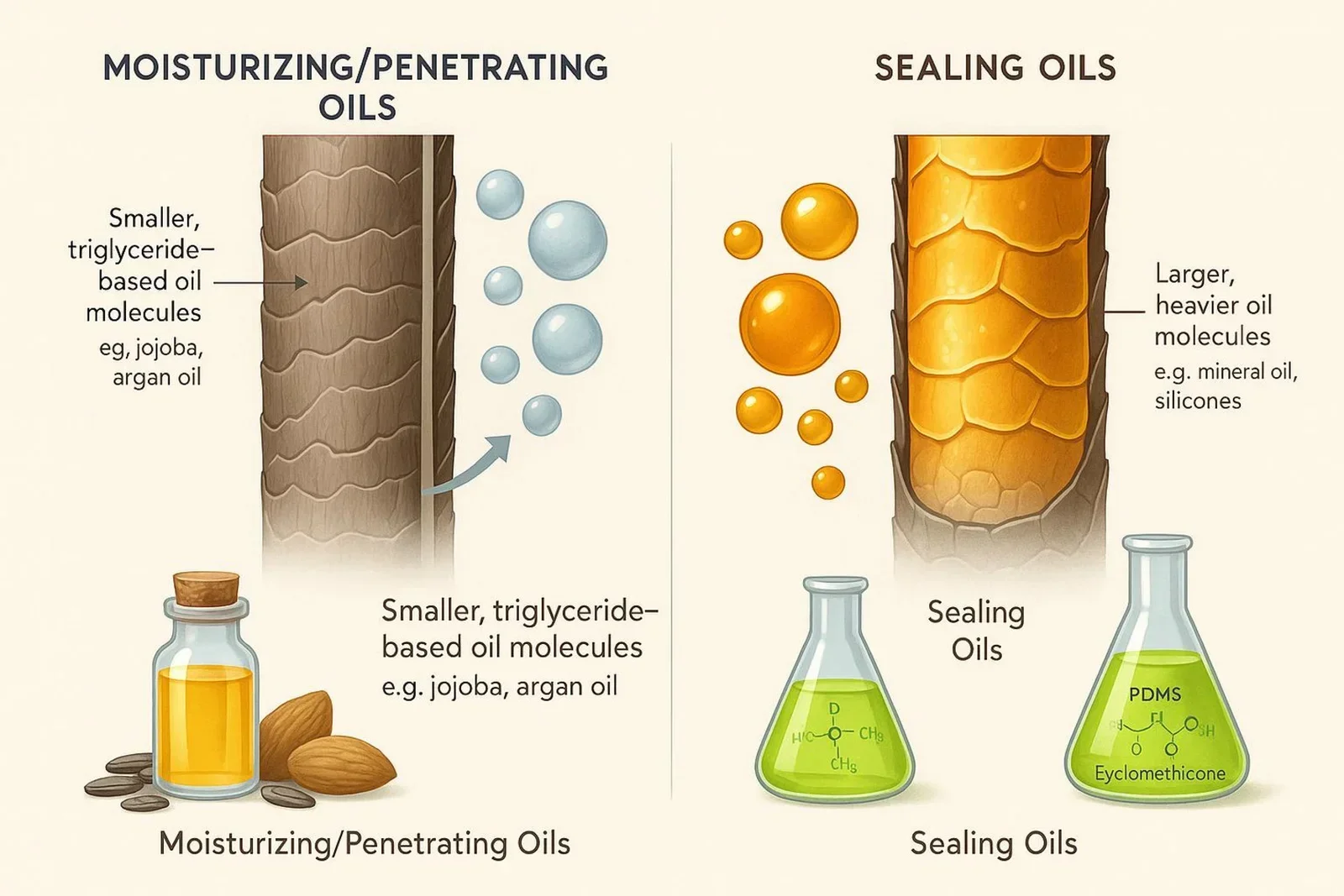
Oils targeting dry hair typically contain ingredients rich in fatty acids, vitamins, and antioxidants. Popular components include argan oil, jojoba oil, coconut oil, castor oil, and almond oil. Each offers unique benefits, from lightweight hydration to intense moisture retention, depending on their molecular structure and weight.
Lightweight Hair Oils Explained
Characteristics and Composition
Lightweight hair oils are thinner and absorb quickly without leaving a greasy residue. They often consist of smaller molecules that penetrate the hair shaft more efficiently. These oils typically come from sources like jojoba, grapeseed, or sweet almond, enabling a non-heavy feel while still delivering moisture.
Benefits for Dry Hair
For dry hair, lightweight oils provide hydration without weighing down strands or causing buildup. They help smooth frizz and add a subtle shine. These oils are ideal for fine or thin hair types that struggle with excess oiliness or heaviness from thicker products.
Popular Lightweight Hair Oil Options
Some go-to options include jojoba oil for its similarity to scalp sebum, grapeseed oil for its antioxidant properties, and marula oil known for fast absorption. These oils offer moisture support while maintaining a balanced, light finish.
Heavy Hair Oils: Key Features
What Makes Hair Oils Heavy?
Heavy hair oils have a denser texture and larger molecular size, making them more viscous and slower to absorb. They often contain ingredients like castor oil, olive oil, or coconut oil, which create a protective barrier to lock in moisture for longer periods.
Advantages for Deep Moisturizing

These oils excel in deeply conditioning dry, brittle hair. They can restore integrity by sealing the cuticle, reducing breakage, and providing intense hydration. Heavy oils are particularly beneficial for thick, coarse, or very dry hair types needing substantial nourishment.
Examples of Heavy Hair Oils
Castor oil is known for promoting hair strength and density, while coconut oil penetrates deeply for repair. Olive oil offers rich fatty acids that create long-lasting moisture, making these oils go-to choices for heavy hair care routines.
Comparative Analysis: Lightweight vs Heavy Hair Oils
Effectiveness on Dry Hair
Both oil types serve dry hair but address different needs. Lightweight oils hydrate without buildup, suitable for daily use or fine hair. Heavy oils provide more intensive moisture, ideal for overnight treatments or severely dry strands. Effectiveness depends on hair porosity, thickness, and individual responsiveness.
Application Frequency and Usage Tips
Lightweight oils can be applied more frequently, even on damp hair before styling. In contrast, heavy oils are best used sparingly to avoid greasiness, often as pre-wash treatments or on ends to prevent split ends. Moderation is key to prevent product overload.
Potential Drawbacks and Precautions
Overuse of heavy oils can weigh hair down and cause buildup, leading to dullness or scalp issues. Lightweight oils might not offer enough hydration for very dry or coarse hair. Testing small amounts and observing hair reaction helps avoid these pitfalls.
Choosing the Right Hair Oil Based on Your Hair Type
Assessing Hair Porosity and Texture
Understanding hair porosity—how well hair absorbs moisture—guides oil choice. High-porosity hair benefits from heavy oils that seal moisture, while low-porosity hair responds better to lightweight oils that won’t clog cuticles. Texture also matters; fine hair fares best with lighter formulations, while thick hair thrives with richer oils.
Combining Oils for Best Results
Mixing lightweight and heavy oils can balance moisture and manageability. A small amount of heavy oil mixed with a lightweight one allows customization based on hair’s evolving needs. Layering oils strategically enhances hydration without compromising hair’s natural movement.
Expert Recommendations for Dry Hair Care
When to Use Lightweight Oils
Experts suggest using lightweight oils daily for maintenance and shine, especially on damp hair post-wash. These oils help control frizz and protect against environmental damage without buildup. They are also recommended for those with fine or oily scalps.
When Heavy Oils Are Preferable
Heavy oils are preferred during deep conditioning treatments or for hair showing signs of extreme dryness and brittleness. Overnight application or weekend treatments allow maximum absorption. They work best on thick, curly, or coarse hair types prone to breakage or extreme dryness.
Conclusion: Finding the Best Oil for Your Dry Hair
Choosing between lightweight and heavy hair oils depends on hair type, condition, and personal preference. Lightweight oils offer daily hydration and ease of use, while heavy oils provide deep nourishment for dry, damaged strands. Understanding your hair’s needs and experimenting carefully can reveal the optimal oil for healthy, hydrated hair.