Understanding the Skin Barrier: Basics and Importance
What is the Skin Barrier?
The skin barrier, often referred to as the stratum corneum, is the outermost layer of the skin that serves as a shield between your body and the external environment. This layer consists primarily of dead skin cells embedded in a matrix of lipids, creating a protective seal that prevents harmful substances from penetrating while retaining moisture. Without a healthy skin barrier, the skin becomes vulnerable to irritants, pathogens, and excessive water loss.
Functions and Role in Skin Health
A properly functioning skin barrier is essential for maintaining skin hydration, regulating permeability, and protecting against environmental insults. It acts as the first line of defense, reducing inflammation and preventing infections. This barrier also supports skin repair and overall resilience. When compromised, it can lead to various skin issues such as dryness, sensitivity, and increased susceptibility to conditions like eczema and premature aging.
Key Environmental Factors That Damage the Skin Barrier
Impact of UV Radiation and Sun Exposure
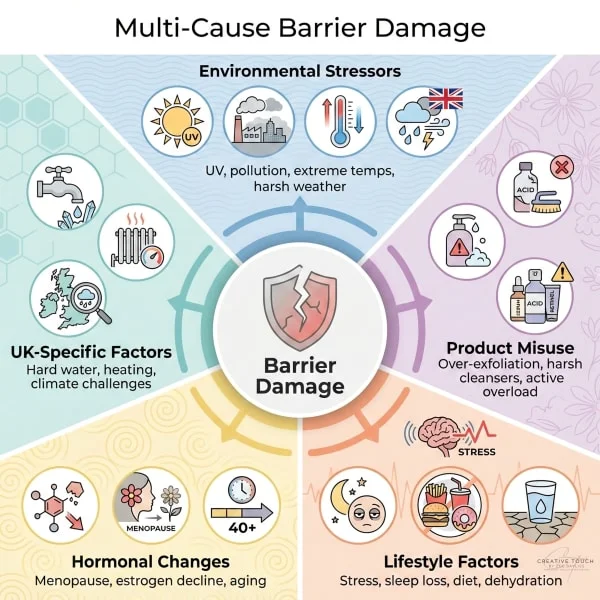
Prolonged exposure to ultraviolet (UV) radiation is one of the most damaging environmental factors for the skin barrier. UV rays penetrate the skin and disrupt the lipid layers essential for barrier integrity. This exposure causes oxidative stress and inflammation, breaking down collagen and accelerating skin aging. Over time, UV damage weakens the skin’s protective functions, leading to increased dryness, redness, and sensitivity.
Effects of Pollution and Airborne Toxins
Air pollution introduces harmful particles and toxins that adhere to the skin surface, triggering inflammatory responses and oxidative damage. Pollutants like particulate matter and heavy metals can penetrate the skin barrier, impairing its ability to retain moisture and defend against microbial invasion. The result is often dull, irritated skin with increased risk of allergic reactions and barrier breakdown.
How Climate and Weather Conditions Affect the Skin
Harsh weather conditions, such as extreme cold, wind, or low humidity, strip moisture from the skin, leading to dehydration and barrier disruption. Conversely, excessive heat and high humidity can increase sweat and oil production, upsetting the skin’s balance and sometimes causing irritation or breakouts. Seasonal changes often exacerbate barrier damage if skin care is not adapted accordingly.
The Role of Harsh Skincare Products and Chemicals
Many skincare products contain ingredients like sulfates, alcohols, and strong fragrances that can compromise the skin barrier. Over-cleansing or using excessively abrasive exfoliants strips away natural oils, weakening the protective layer. Chemical irritants disrupt the lipid matrix, increasing permeability and sensitivity. Misusing these products often results in persistent irritation and chronic barrier impairment.
Symptoms and Signs of a Compromised Skin Barrier
Dryness, Redness, and Sensitivity Indicators
A damaged skin barrier often manifests as dryness, tightness, or flaky patches. These symptoms occur because the skin loses its ability to lock in moisture effectively. Redness and visible inflammation are signs of irritation caused by external aggressors penetrating the weakened barrier. Such skin may also feel hypersensitive, reacting strongly to even mild skincare products or environmental changes.
Long-Term Consequences on Skin Health
If left unaddressed, a compromised skin barrier can lead to chronic conditions such as eczema, psoriasis, or persistent dermatitis. Ongoing barrier disruption accelerates aging by increasing wrinkles and uneven texture due to collagen breakdown and inflammation. Additionally, the skin becomes more prone to infections and slower to heal from injury, undermining overall skin health and appearance.
Practical Protective Strategies for a Healthy Skin Barrier
Daily Skincare Routine: Cleansing, Moisturizing, and Beyond
Maintaining a healthy skin barrier begins with a gentle daily routine. Use mild, non-foaming cleansers that do not strip natural oils. Follow with a moisturizer containing ingredients like ceramides and fatty acids to replenish and strengthen the barrier. Avoid over-exfoliating and limit the use of harsh treatments. Consistency in these steps helps preserve moisture and protect against environmental damage.
Choosing Barrier-Friendly Products and Ingredients
Opt for products formulated with barrier-supporting ingredients such as niacinamide, hyaluronic acid, and antioxidants. Ceramides help restore lipid layers, while niacinamide reduces inflammation and improves skin resilience. Antioxidants combat free radicals generated by UV exposure and pollution, enhancing skin’s defenses. Avoid products with alcohol, synthetic fragrances, or harsh detergents that can exacerbate barrier damage.
Protective Measures Against Environmental Aggressors
Implementing protective measures throughout the day is crucial. Applying broad-spectrum sunscreen daily shields against UV radiation. Using antioxidants topically or via diet helps neutralize pollutants, while physical barriers like hats and scarves protect from wind and harsh weather. Additionally, cleansing your skin thoroughly in the evening removes accumulated toxins, preventing prolonged exposure to irritants.
Diet, Hydration, and Lifestyle Adjustments
Healthy skin starts from within. Adequate hydration supports the skin’s moisture balance, while a diet rich in omega-3 fatty acids, vitamins C and E, and antioxidants promotes barrier repair and reduces inflammation. Avoid excessive alcohol and smoking, as these habits impair skin regeneration. Managing stress and ensuring quality sleep further bolster the skin’s ability to withstand environmental challenges.
Technology and Innovations in Skin Barrier Protection
Emerging Skincare Technologies and Formulations
Recent advances in skincare technology have introduced formulations designed to mimic the skin’s natural lipids, enhancing barrier repair. Encapsulation techniques improve the delivery of active ingredients, reducing irritation while boosting efficacy. Innovations include barrier-replenishing creams with bioengineered ceramides and peptides that accelerate skin healing and strengthen defense mechanisms against environmental stressors.
Smart Wearables and Environmental Monitoring for Skin Health
Wearable devices now enable real-time monitoring of UV exposure, pollution levels, and humidity, helping users adjust their skincare and protective measures accordingly. These smart technologies provide personalized alerts to reapply sunscreen or hydrate, empowering individuals to proactively maintain skin barrier health. Combining digital insights with targeted skincare optimizes protection in varying environmental conditions.
Conclusion: Integrating Knowledge and Practice for Long-Term Skin Barrier Health
Environmental factors play a significant role in compromising the skin barrier, but understanding the causes and symptoms allows for effective prevention and repair. By adopting gentle skincare practices, choosing appropriate products, and incorporating protective lifestyle habits, you can enhance your skin’s resilience. Leveraging emerging technologies further supports maintaining a strong barrier amid environmental challenges. Prioritizing skin barrier health is essential for lasting skin comfort, appearance, and overall well-being.