Introduction to Daily Self-Reflection for Women’s Confidence
Every morning, Mia took five quiet minutes with her journal before slipping into the rush of her day. This simple ritual wasn’t about grand resolutions or intense workouts; it was her daily self-reflection practice—a time to check in with her thoughts, feelings, and goals. For many women, developing such a habit can be a powerful tool to build lasting confidence, creating a foundation that holds strong amid life’s unpredictable challenges. This article explores how daily self-reflection nurtures confidence in women, providing practical advice that fits into even the busiest schedules.

Why Confidence Matters in Women’s Lives
Confidence and Personal Growth
Confidence is not just a feel-good emotion; it fuels personal growth by encouraging women to step out of their comfort zones. Think of Sara, who struggled with public speaking for years. Once she began pausing daily to reflect on her fears and affirm her strengths, she gradually embraced opportunities to present at work. Each small success built upon the last, illustrating how confidence acts as a catalyst for continuous self-improvement.
Impact on Career and Relationships
Confidence shines beyond individual growth—it deeply influences career advancement and personal relationships. Women who reflect regularly often notice patterns in their interactions and decision-making, enabling them to approach challenges with clarity. Take Aisha’s experience: by reflecting on her communication style, she realized how passive responses at meetings held her back. With growing self-assurance, she started voicing ideas assertively, earning respect and new responsibilities. Similarly, in relationships, self-reflection helps women identify boundaries and cultivate healthier connections.
Essential Self-Reflection Techniques
Journaling with Intention
Journaling remains one of the most accessible and effective ways to engage in self-reflection. Rather than aimlessly writing, intentional journaling involves focusing on specific questions or themes, such as “What made me proud today?” or “Where did I feel challenged and how did I respond?” Julia, a busy mother and entrepreneur, credits this technique for helping her notice small victories and setbacks she might otherwise overlook—both vital for building resilience and confidence.
Mindfulness and Meditation
Mindfulness and meditation can deepen self-awareness by anchoring attention in the present moment. When Priya began a daily meditation practice, it wasn’t about immediate transformation but cultivating a habit of observing her thoughts without judgment. This awareness helped soften her inner critic’s voice, replacing doubt with calm acceptance. Even brief moments of mindfulness can empower women to approach themselves with kindness—a core element of sustained confidence.
Affirmations and Positive Self-Talk
Words shape our inner world profoundly. Incorporating affirmations—positive statements about one’s abilities and worth—into daily reflection can gradually shift mindset. Consider how Ella struggled with imposter syndrome at her new job. By writing down affirmations like “I am capable and deserving of success,” repeated each day, she rewired her self-perception. Positive self-talk, when genuine and consistent, becomes a personal mantra that strengthens confidence against intrusive self-doubt.
Crafting a Personalized Reflection Routine
Setting Time and Space for Daily Practice
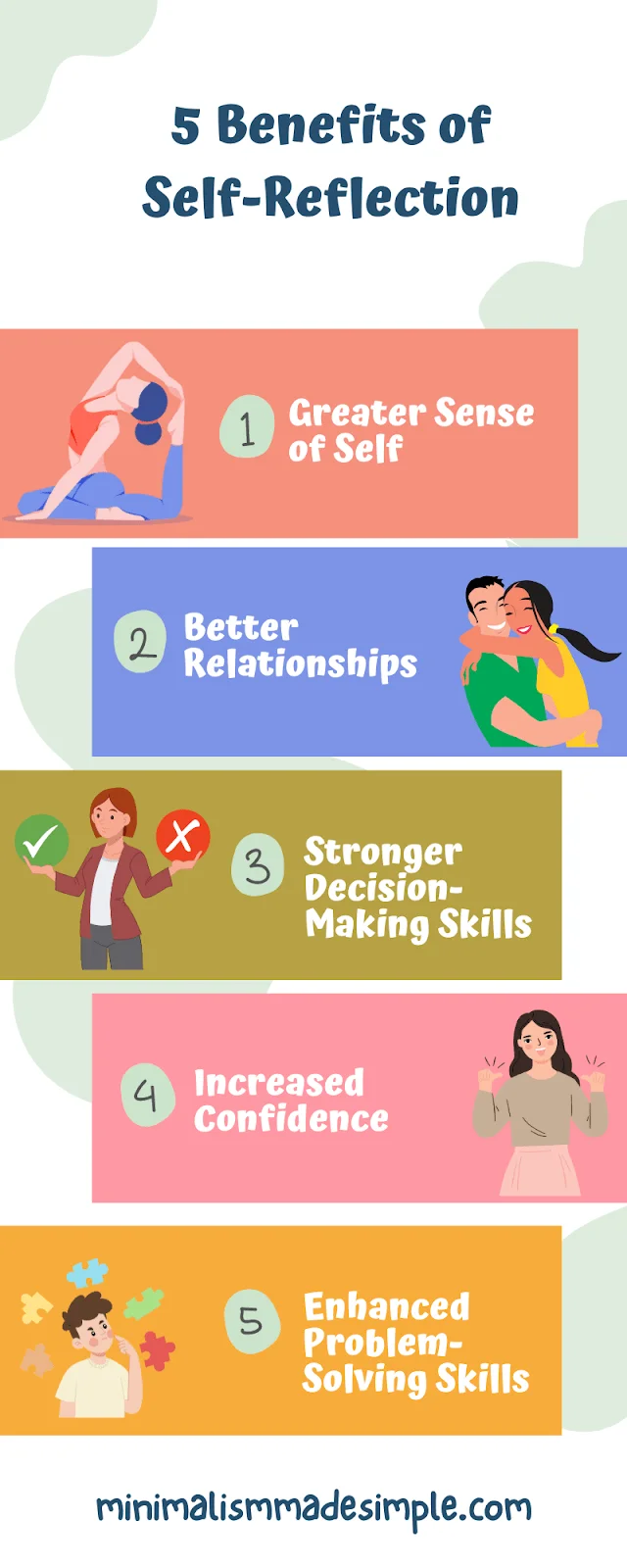
Creating a dedicated time and space signals to the brain that self-reflection is a priority. For some women, early morning works best, while others might prefer winding down at night. Maria found that lighting a candle and sitting in a comfy chair created a peaceful atmosphere for her reflection. Establishing these rituals turns self-reflection into a nurturing habit rather than a task, promoting sustained engagement.
Choosing Prompts That Resonate
Reflection prompts guide thoughts productively. However, they need to resonate personally. When Jenny started journaling, randomly selected prompts felt irrelevant and tedious, leading to inconsistency. After customizing prompts based on her challenges and aspirations—such as exploring moments of anxiety or identifying sources of joy—she found the process far more meaningful and motivating. Listening to your inner voice helps tailor reflection to fit your unique confidence-building journey.
Overcoming Common Obstacles in Self-Reflection
Dealing with Negative Self-Perception
It’s common for women beginning self-reflection to confront harsh self-judgments. Kelly struggled with feelings of inadequacy, which initially made her avoid introspection. Over time, she learned to approach these feelings with curiosity instead of criticism. When negative thoughts surfaced, she would write them down, then challenge their accuracy or reframe them compassionately. This shift transforms self-reflection from a source of discomfort into a pathway for healing and empowerment.
Maintaining Consistency and Motivation
Life’s demands often derail even the best intentions. Emma’s busy schedule meant she missed days of reflection, leading to frustration. To maintain consistency, she started setting small, manageable goals—five minutes instead of twenty—and tracked progress on a calendar. Celebrating these small wins kept motivation alive. Linking self-reflection to clear benefits, like better mood or improved decisions, also reinforced the habit’s value.
Success Stories: Women Who Transformed with Self-Reflection
Take the example of Nora, a woman who once doubted her creativity and leadership skills. Through daily reflection practices including journaling and affirmations, she transformed her mindset. Over months, she not only gained confidence but also launched a successful business. Similarly, Tanya overcame anxiety by meditating daily and tracking her progress honestly, gradually building self-trust. These stories highlight that confidence is often a product of persistent inner work—a journey accessible through self-reflection.
Conclusion: Empowering Lasting Confidence Through Reflection
Building lasting confidence is rarely a quick fix; rather, it is a continuous, deliberate process. Daily self-reflection practices empower women by fostering awareness, challenging limiting beliefs, and embracing their authentic selves. Just like Mia, Sara, or Nora, women who commit to understanding their inner worlds can rewrite the narratives that shape their confidence. Whether through journaling, mindfulness, or positive affirmations, the key lies in making self-reflection a personal, sustainable practice—a foundation for confidence that stands the test of time.