Understanding Neck and Back Stiffness from Prolonged Desk Work
Causes and Common Symptoms
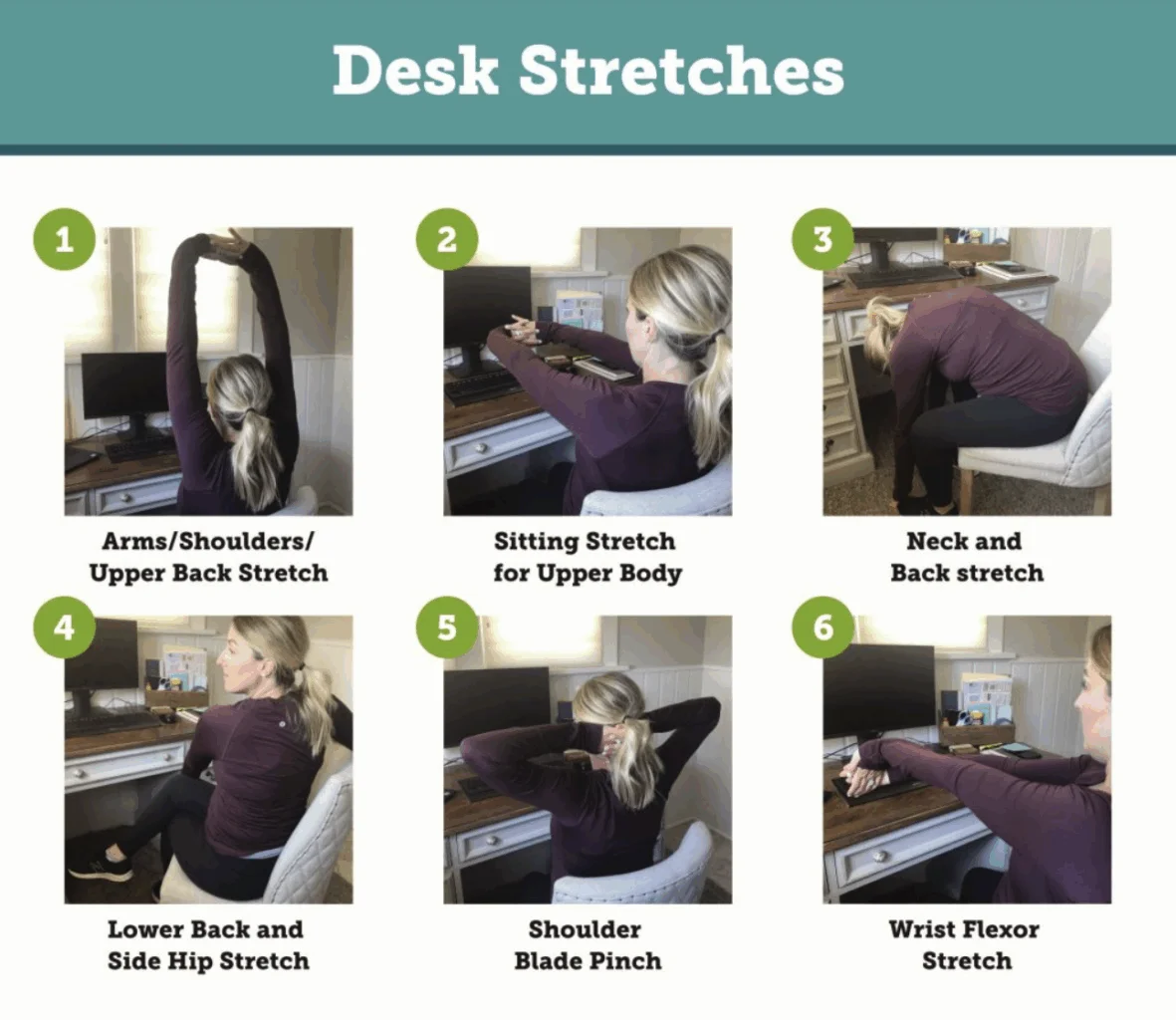
Sitting at a desk for extended periods often leads to neck and back stiffness, a common complaint among office workers. The root of this problem is mostly poor posture combined with limited movement, which strains muscles and joints. Holding the head forward or slouching places extra pressure on the cervical spine and upper back. Over time, this can cause muscle tightness, soreness, and discomfort. Symptoms typically include a dull ache or sharp pain in the neck region, tension across the shoulders, and stiffness that worsens when sitting or standing after long desk sessions.
Long-term Effects on Health and Productivity
Neglecting neck and back stiffness can escalate into more serious issues, affecting both well-being and work performance. Chronic muscle tension may lead to decreased range of motion and persistent pain, which interferes with concentration and efficiency. Additionally, untreated stiffness can contribute to headaches and fatigue. From a health perspective, it increases the risk of developing musculoskeletal disorders. For productivity, these physical challenges often result in frequent breaks or absenteeism, underscoring the importance of addressing this problem early on.
Preparation for Desk Stretching: Best Practices
Proper Posture Before Stretching
Starting with the right posture is crucial to maximize the benefits of desk stretches. Sitting upright with the spine aligned reduces unnecessary stress on muscles and joints. Ensure your feet are flat on the floor and your hips are positioned toward the back of the chair. Keeping shoulders relaxed but not hunched prepares your body for effective movement. Avoid any slumping or leaning forward, as poor posture can limit the stretch’s effectiveness and potentially cause more tension.
Workspace Setup Tips to Complement Stretching
An ergonomically friendly workspace supports your stretching routine and helps prevent muscle strain. Adjust your chair height so that your knees are at a 90-degree angle and your forearms rest comfortably on the desk. Monitor placement is key—position your screen at eye level to reduce neck bending. Adequate lighting minimizes eye strain and keeps you alert, indirectly encouraging better posture. These adjustments reduce the intensity of muscle tension and make stretching more productive.
Top 7 Desk Stretching Exercises to Alleviate Neck Stiffness
Neck Tilts and Turns
Neck tilts and turns help relieve stiffness by gently stretching the muscles on the sides and back of your neck. Slowly tilt your head toward one shoulder, hold for a few seconds, then switch sides. Turning your head from left to right in a controlled manner loosens tight areas and promotes better blood flow. These simple movements are easy to perform at your desk, allowing for quick relief without interrupting your workflow.
Chin Tucks
Chin tucks counteract the forward head posture common among desk workers. To perform this stretch, gently retract your chin towards your neck as if making a double chin, hold briefly, and release. This movement strengthens deep neck muscles and reduces strain by realigning the cervical spine. Incorporating chin tucks regularly can help mitigate stiffness and pain caused by prolonged forward head positioning.
Shoulder Rolls
Shoulder rolls relieve tension stored in the upper back and shoulder area that contributes to neck discomfort. Slowly roll your shoulders backward and forward in smooth circles. This action not only stretches tight muscles but also stimulates circulation around the shoulder blades and neck. Shoulder rolls are a practical way to break up sedentary periods and ease stiffness common after hours at a desk.
Stretching to Relieve Lower and Upper Back Tension
Seated Spinal Twist
The seated spinal twist helps alleviate tension in the mid and lower back by encouraging spinal mobility. While sitting upright, twist your upper body to one side gently while keeping your hips square. Using the armrest or back of the chair as leverage offers a deeper stretch without strain. This exercise reduces stiffness by promoting flexibility and releasing tight muscles in the spine and surrounding areas.
Cat-Cow Stretch Variation at Your Desk
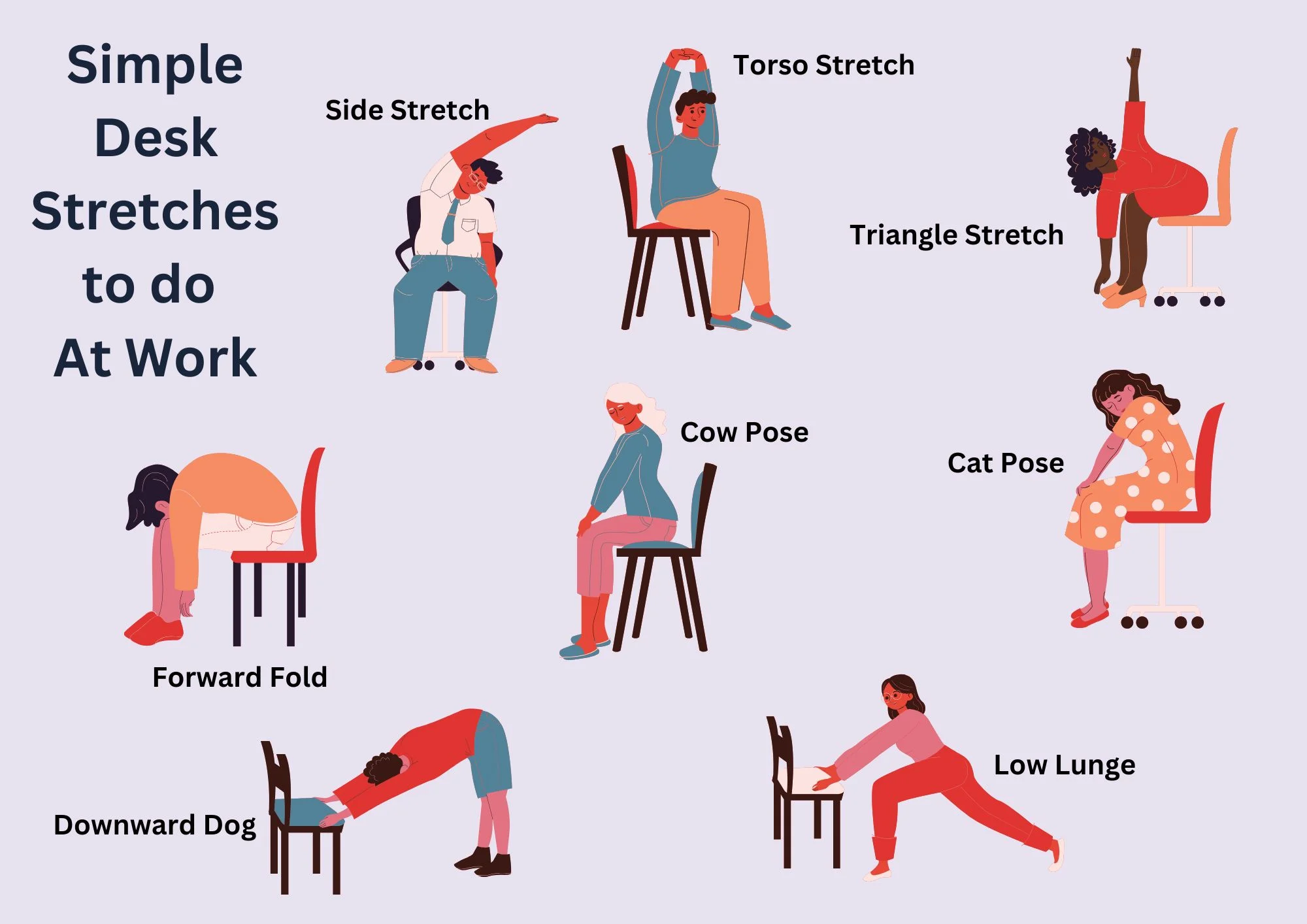
The classic cat-cow stretch, adapted for a seated position, effectively loosens the entire back. Arch your back outward, tucking your chin to the chest for the “cat” phase, then slowly reverse, lifting your chest and looking upward into the “cow” phase. This controlled movement improves spinal flexibility and releases built-up tension in both the upper and lower back. Executing this stretch regularly combats the stiffness caused by static postures.
Forward Fold Stretch
A forward fold stretch can target the lower back and hamstrings, which often contribute to discomfort when tight. Sitting on the edge of your chair, bend forward at the hips, letting your arms dangle towards the floor or rest on your legs. This posture gently lengthens the spine and eases compression in the lower back. Practicing this stretch periodically helps maintain spinal alignment and prevent stiffness throughout the day.
Integrating Desk Stretches into Your Daily Routine
Ideal Frequency and Timing
Desk stretches are most effective when performed consistently throughout the workday. Taking short stretch breaks every 30 to 60 minutes can prevent muscle stiffness from building up. Incorporating stretches during natural pauses, such as after completing a task or during brief breaks, reinforces a habit without disrupting productivity. Overdoing stretches or rushing through them, however, may reduce benefits, so aim for slow, deliberate movements rather than hurried repetitions.
Using Reminders and Stretch Break Apps
One common challenge is forgetting to stretch amid busy work schedules. Digital reminders and break apps can prompt you to pause and perform simple desk stretches regularly. These tools encourage mindfulness around movement and posture, making it easier to maintain healthy habits. Setting gentle notifications ensures you don’t overlook these important breaks, supporting neck and back health consistently.
Additional Tips: Combining Movement and Ergonomics for Lasting Relief
Simple Movement Habits Beyond Stretching
While targeted stretches are beneficial, integrating more varied movement into your day further relieves tension. Standing up to walk briefly, alternating between sitting and standing, or practicing light walking during breaks helps keep muscles engaged and circulation active. Avoiding prolonged static positions reduces stiffness and supports overall spinal health beyond just stretching exercises.
Ergonomic Adjustments to Support Neck and Back Health
Ergonomic improvements in your workspace go hand-in-hand with stretching exercises to provide lasting comfort. Using chairs with proper lumbar support, adjustable desks, and appropriate monitor heights minimizes strain on your neck and back. Ensuring your keyboard and mouse placement encourage natural wrist and arm alignment also plays a role. These adjustments reduce the initial causes of stiffness, making your stretching efforts more effective and sustainable.