Understanding the Importance of Self-Care for Busy Parents
The Impact of Stress on Parental Wellbeing
After a long day of juggling work emails, household chores, and the nonstop needs of children, stress can pile up quickly for parents. Take Lisa, a mother of two who often found herself overwhelmed by the constant demands of her day. The mental and physical toll of stress not only affected her mood but also her relationship with her family. Chronic stress can lead to burnout, irritability, and even affect sleep quality. Recognizing how stress impacts parental wellbeing is the first step in making self-care a non-negotiable part of daily life.
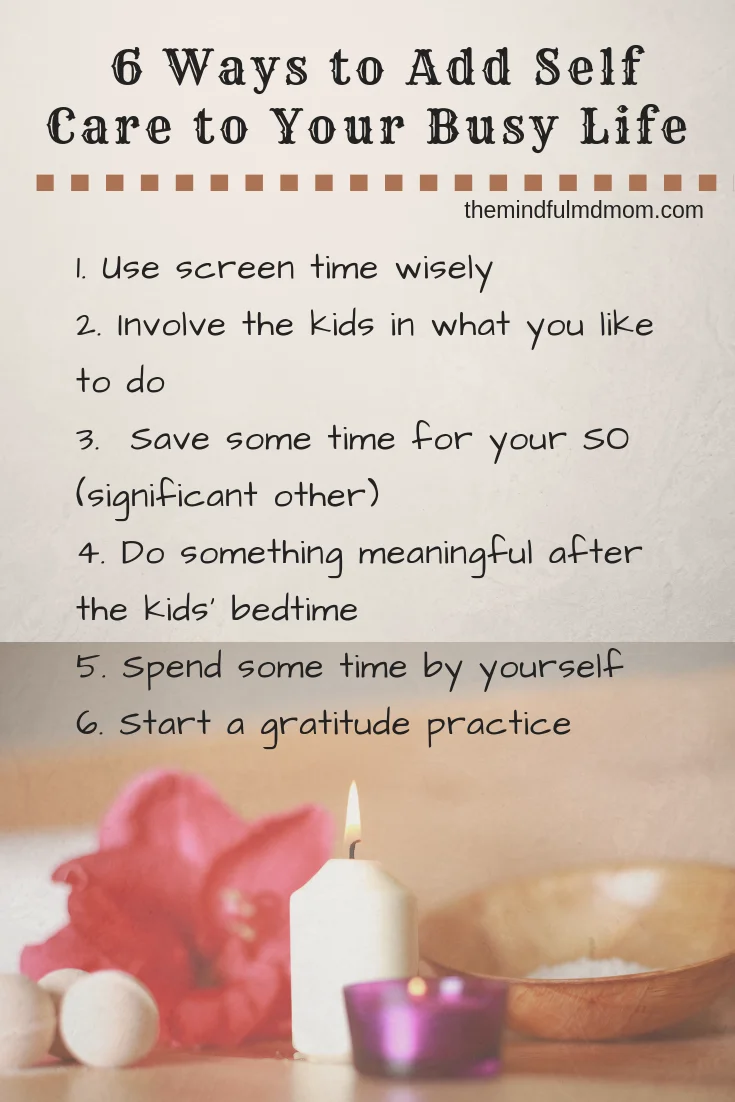
Benefits of Regular Self-Care Practices
Incorporating regular self-care can transform how busy parents manage their stress and energy levels. For example, after starting a simple nightly routine of mindful breathing and light stretching, John noticed he felt calmer and more patient with his children. Self-care boosts emotional resilience, improves mental clarity, and can even strengthen physical health. Taking intentional moments for yourself replenishes your ability to be present and engaged both at home and work.
Simple Self-Care Rituals to Unwind After Work
Quick Mindfulness Exercises
Mindfulness doesn’t need to be complicated or time-consuming. Imagine Sarah, who spends just five minutes after dinner sitting quietly, focusing on her breath. This simple pause helps her release the tension built up during the day and recenter her thoughts. Such exercises can reduce anxiety and improve emotional regulation, making them ideal for busy parents craving calm in a hectic schedule.
Gentle Yoga and Stretching Routines
Physical movement tailored to relaxation can make a big difference. Mark, a father who struggled with neck and back stiffness after long work hours, found relief in gentle yoga poses designed for beginners. A brief 15-minute stretching session not only eased his muscle tightness but also improved his sleep quality. These movements don’t require special equipment and can be adapted to fit into any evening routine.
Relaxing Bath and Aromatherapy Ideas
Sometimes the best way to unwind is through sensory engagement. Mia discovered that a warm bath infused with lavender essential oil became her sanctuary after hectic days. The soothing scent coupled with the warmth helped ease muscle tension and created a peaceful atmosphere. Even a quick foot soak with calming essential oils can trigger relaxation and signal the brain to shift into rest mode.
Incorporating Self-Care Without Adding Time Pressure
Setting Boundaries Between Work and Home Life
Balancing work and family time is challenging when remote work blurs the lines. Karen tackled this by establishing a clear “work shut-down” routine, such as shutting her laptop and turning off notifications at a set time. This boundary helped her mentally switch off work stress and focus on the present moment with her children. Creating such boundaries prevents burnout and allows self-care to feel like a natural part of life rather than another task.
Using Microbreaks Effectively

Microbreaks—brief moments away from work tasks or parenting duties—can reset your mood and energy. For instance, John used his coffee breaks to step outside for a few deep breaths in fresh air rather than scrolling his phone. These tiny pauses help reduce tension and prevent overwhelm but require mindfulness to seize the opportunity. Embracing microbreaks turns pockets of time into valuable restoration moments.
Nutrition and Hydration Tips to Boost Relaxation
Easy-to-Prepare Comforting Snacks
After a demanding day, nourishing your body with wholesome snacks can enhance relaxation. Emma knows the difference a small bowl of Greek yogurt topped with honey and walnuts can make as a comforting evening treat. These simple snacks provide nutrients that support brain health and reduce stress hormones, without the crash associated with sugary alternatives.
Herbal Teas and Their Calming Effects
A warm cup of herbal tea can be a ritual of comfort and calm. Chamomile and peppermint teas are favorites for busy parents like Miguel, who sips a cup every evening to help unwind. These teas contain natural compounds that promote relaxation and better sleep. Swapping caffeinated drinks for herbal infusions in the evening also supports a smoother transition to rest.
Creating a Peaceful Environment at Home
Organizing a Relaxation Corner
Having a designated relaxation space at home can make self-care more accessible. Rachel cleared a small nook with soft cushions, a cozy blanket, and a stack of her favorite books. This corner became her go-to spot to decompress, signaling to her mind that it’s time to relax. Setting up such a sanctuary can be as simple or elaborate as your space allows, but its effect on mental wellbeing is profound.
Music and Lighting for Stress Relief
Ambiance plays a crucial role in how effectively you can unwind. Light dimmers or soft fairy lights helped David create a calming atmosphere in his living room. Pairing this with gentle instrumental music or nature sounds turned everyday evenings into restful experiences. Adjusting sensory elements like light and sound cues your body to shift into relaxation mode after a busy day.
Building a Sustainable Self-Care Routine
Tracking Progress and Adjusting Practices
Consistency is key but flexibility ensures sustainability. Lisa started a simple journal to note what self-care rituals made the biggest impact and which felt like extra stress. By tracking her experiences, she fine-tuned her routine to fit her evolving needs rather than forcing herself into rigid habits. Reflecting periodically helps busy parents like Lisa stay connected to what genuinely supports their wellbeing.
Finding Motivation to Prioritize Yourself
Parents often put their needs last, creating a harmful cycle of exhaustion. John found motivation by reframing self-care as a crucial tool to be the best parent he could be, rather than a selfish indulgence. Reminding yourself that recharging benefits both you and your family can shift self-care from guilt to priority. Small rewards and celebrating progress also keep the drive alive.
Conclusion
For busy parents, self-care is not a luxury but a necessity in maintaining emotional balance and physical health. By recognizing the impact of stress and integrating simple, practical rituals like mindfulness, gentle movement, and nutritious snacks, unwinding at home becomes achievable without excess time pressure. Creating a calming environment and nurturing motivation ensures these habits stick. Ultimately, prioritizing your wellbeing empowers you to show up fully for your family and yourself.