Understanding the Importance of a Pre-Bedtime Ritual
The Science Behind Bedtime Routines
A well-designed pre-bedtime ritual plays a crucial role in preparing the body and mind for restful sleep. Scientifically, consistent routines help regulate the circadian rhythm, a natural internal process that governs our sleep-wake cycles. When the brain anticipates winding down through specific cues, it triggers the release of melatonin, the hormone responsible for inducing sleepiness. This biological response creates an easier transition into deep, restorative sleep, enhancing overall well-being.
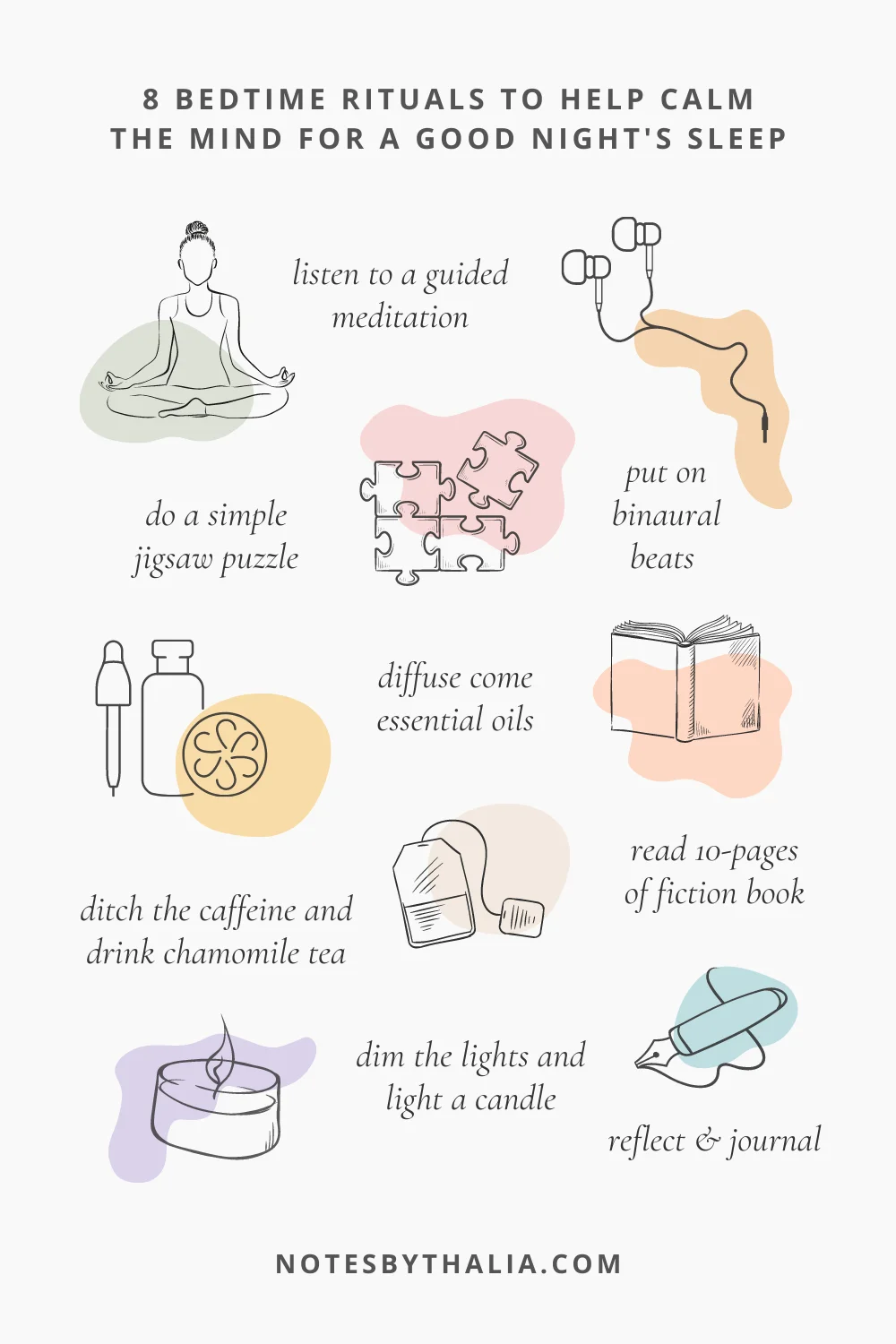
Developing a ritual before bed also reduces anxiety and stress accumulated throughout the day. Engaging in calming activities signals to the nervous system that it is time to shift from alertness to relaxation. This step-by-step decrease in stimulation creates a smoother mental and physical descent into restfulness, highlighting the science-backed value of bedtime routines.
How Minimalism Enhances Calmness
Minimalism in a pre-bedtime ritual focuses on simplicity, eliminating distractions, and concentrating solely on what helps you relax. By intentionally paring down activities and surroundings, minimalist techniques reduce sensory overload, which can otherwise disrupt the ability to unwind. This approach aligns with the brain’s preference for predictability and clarity before sleep.
Minimalism encourages mindfulness, promoting engagement with fewer tasks that invite tranquility. Instead of juggling multiple stimuli, a minimalist pre-bed ritual fosters a single-point focus, enhancing calmness and reducing cognitive clutter. This streamlined mindset translates into a more peaceful transition to sleep, making minimalism an effective enhancer of a restful evening routine.
Key Elements of a Minimalist Pre-Bedtime Ritual
Choosing Intentional Activities
At the core of a minimalist ritual is the selection of activities that serve a clear calming purpose. Rather than piling on numerous techniques, focus on two or three simple actions that genuinely help you relax. This might include reading a few pages of a book, practicing gentle stretches, or meditative breathing exercises.
Intentionality here means being selective and mindful about what you do, ensuring each activity contributes directly to reducing tension or soothing the mind. Avoid habits that could overstimulate or delay sleep, such as checking social media or watching intense content. Minimalism challenges you to be deliberate and thoughtful with your choices, making your pre-bedtime routine meaningful and restorative.
Creating a Clutter-Free Environment
The physical space where you wind down before bed should reflect the minimalist ethos: clean, organized, and free from unnecessary items. A cluttered room can cause visual distractions that inadvertently increase stress or anxiety. Preparing your environment by removing excess objects, turning off bright lights, and arranging your space to feel calm sets the stage for mental and emotional relaxation.
This simplicity in your surroundings helps signal to your brain that it’s time to slow down. The atmosphere you create influences how easily you can detach from daily pressures and focus on restful activities. A minimalist environment supports your intention to unwind by promoting peace and a clear mind.
Step-by-Step Guide to Crafting Your Ritual
Decluttering Your Space
Start by assessing your bedroom or the area where you intend to perform your ritual. Remove or store items that do not contribute to relaxation or sleep. This includes electronic gadgets that may tempt you to engage with stimulating content, as well as any clutter like papers, clothes, or miscellaneous objects.
Once you’ve cleared the area, consider organizing the essentials you want to keep close, such as a book, a notepad for journaling, or a diffuser for calming scents. Keeping these items tidy and within reach encourages a seamless routine without disruptions. This initial decluttering step simplifies your environment and enhances the peaceful atmosphere you desire before bedtime.
Selecting Simple, Soothing Activities
Next, choose a small set of activities that promote relaxation without overwhelming you. Gentle yoga stretches or basic breathing exercises allow your body to ease tension, while activities like writing in a gratitude journal can help shift your mindset to a positive state. Reading calming or inspiring literature works well to distract from daily stressors without causing excitement.
Focus on activities that slow your pace naturally. Limit the time spent on each to avoid a rushed feeling. The key is to maintain a deliberate, unhurried rhythm that prepares both your mind and body for sleep. Minimalist techniques emphasize quality over quantity, helping you build a ritual that feels manageable and sustainable night after night.
Establishing Consistency Without Overcomplicating
Consistency is essential for reinforcing the calming effects of your ritual. Try to begin your routine at the same time each evening to anchor your body’s internal clock. However, avoid making the routine so complex that it becomes a chore or causes anxiety about completing it.
Focus on small, repeatable actions that are easy to remember and adjust based on how you feel day to day. Flexibility within a consistent framework ensures the routine remains enjoyable and practical over time. This balance between structure and simplicity allows your ritual to naturally integrate into your lifestyle without overwhelming you.
Minimalist Techniques to Avoid Common Pitfalls
Resisting the Urge to Multi-Task
One common mistake is trying to pack too many activities into your pre-bedtime routine or combining tasks that require attention, such as browsing your phone while listening to music. Multi-tasking disrupts relaxation by dividing focus and increasing cognitive load. Instead, minimalist techniques encourage single-tasking—giving full attention to one calming activity at a time.
This focused mindfulness helps your nervous system shift gears toward rest. By deliberately doing less and focusing more deeply, your pre-bed routine becomes more effective and soothing. Resisting the temptation to do multiple things simultaneously preserves the tranquility you seek before sleep.
Keeping Technology Use in Check
Another common challenge involves technology. The blue light from screens suppresses melatonin production, making it harder to fall asleep. Notifications and alerts can also cause emotional stimulation or anxiety, counteracting your calming efforts.
A minimalist ritual limits or excludes screen time during the wind-down period. If using devices is necessary, apply settings like night mode and mute notifications. Alternatively, replace digital activities with analog ones such as reading from a physical book or writing in a journal. Intentionally reducing technology use supports a more peaceful and effective bedtime routine.
Enhancing Your Ritual with Sensory Minimalism
Incorporating Calming Scents
Using gentle scents is a subtle yet powerful way to deepen relaxation. Essential oils like lavender, chamomile, or sandalwood have been shown to promote calmness and improve sleep quality. Incorporate these scents through a diffuser, a few drops on a handkerchief, or lightly scented candles (used safely).
Keeping scent use minimalist means selecting one or two fragrances to avoid overwhelming the senses. These carefully chosen aromas create a sensory cue that reinforces your routine, reminding your brain that it’s time to unwind. Sensory minimalism supports both mental and emotional calm without adding complexity.
Using Soft Lighting and Sound
Lighting and ambient sounds also influence relaxation. Dimming lights or using warm, soft bulbs mimics natural sunset hues, signaling to your body that night is approaching. Avoid harsh, bright lights that can disrupt melatonin production.
Gentle background sounds, such as soft instrumental music or nature sounds, can mask disruptive noises and create a soothing atmosphere. When integrating sound, opt for low volumes and simple audio tracks that don’t demand active listening. This minimalist approach enhances sensory calmness, complementing your overall ritual.
Measuring Success: Signs Your Ritual is Working
Improved Sleep Quality and Relaxation
One clear indicator that your minimalist pre-bedtime ritual is effective is noticeable improvement in sleep patterns. Falling asleep more quickly, experiencing fewer night awakenings, and waking up feeling refreshed are strong signs that your routine is aiding rest. Additionally, feeling relaxed and less tense at bedtime indicates that your ritual is successfully preparing you for sleep.
Increased Mental Clarity Before Bed

Another key measure is the state of your mind as you transition to sleep. A ritual that calms mental chatter and reduces worry allows for greater clarity and peace. If you find your thoughts are less scattered and more focused on calming intentions, it reflects a positive response to your minimalist routine. This mental ease before sleep often translates to better overall cognitive function during the day.
Conclusion
Building a calming pre-bedtime ritual using minimalist techniques combines the power of intentional simplicity with science-backed strategies for restful sleep. By understanding the importance of routines, carefully selecting soothing activities, and designing a clutter-free, sensory-balanced environment, you create a ritual that gently guides your mind and body toward relaxation.
A minimalist approach helps avoid common pitfalls such as multitasking or excessive technology use, allowing you to focus fully on rest. By measuring your progress through sleep quality and mental calmness, you ensure your routine serves its purpose effectively. With patience and consistency, this streamlined pre-bedtime ritual can transform your nightly experience, promoting deeper, more restorative sleep that supports overall health and well-being.