Understanding the Connection Between Clutter and Mental Clarity
The Psychological Impact of a Disorganized Home
A cluttered living space often leads to a cluttered mind. When our surroundings are chaotic, it becomes difficult to concentrate and relax, which can foster feelings of anxiety and overwhelm. Psychologically, a disorganized home can trigger a constant low-level stress response, as the brain perceives clutter as unfinished business. This tension can affect sleep quality, mood, and even interpersonal relationships. Recognizing this connection is the first step toward reclaiming mental clarity.
How Clutter Affects Daily Productivity and Stress Levels
Daily productivity suffers when clutter makes it hard to locate essential items or focus on tasks. Time wasted searching for misplaced belongings can accumulate, leading to frustration and reduced efficiency. Additionally, living amid mess can increase cortisol levels, the body’s stress hormone, which diminishes overall well-being. Understanding that a tidy space supports sharper focus and lowers stress highlights why establishing organization habits is crucial for both mental and emotional health.
Simple Daily Habits for Maintaining an Organized Home
Morning Routines That Set the Tone for Tidiness
Starting your day with small organizational habits can make a significant difference. For example, making your bed immediately after waking creates a sense of accomplishment and encourages cleanliness. Taking just a few minutes to put away items used the previous day ensures clutter does not accumulate. These actions stimulate a productive mindset, helping to enforce a habit of order throughout the day.
Quick Evening Cleanups: Preparing Your Space for the Next Day
Ending the day with a brief tidying routine is equally important. Spending five to ten minutes putting away stray items and wiping down surfaces prepares your home for a fresh start. This practice not only reduces the visual chaos but also creates a calming environment that supports a restful night’s sleep. Establishing an evening cleanup habit can prevent clutter from building up, making daily upkeep feel manageable rather than overwhelming.
Decluttering Strategies That Require Minimal Effort
Implementing the “One In, One Out” Rule
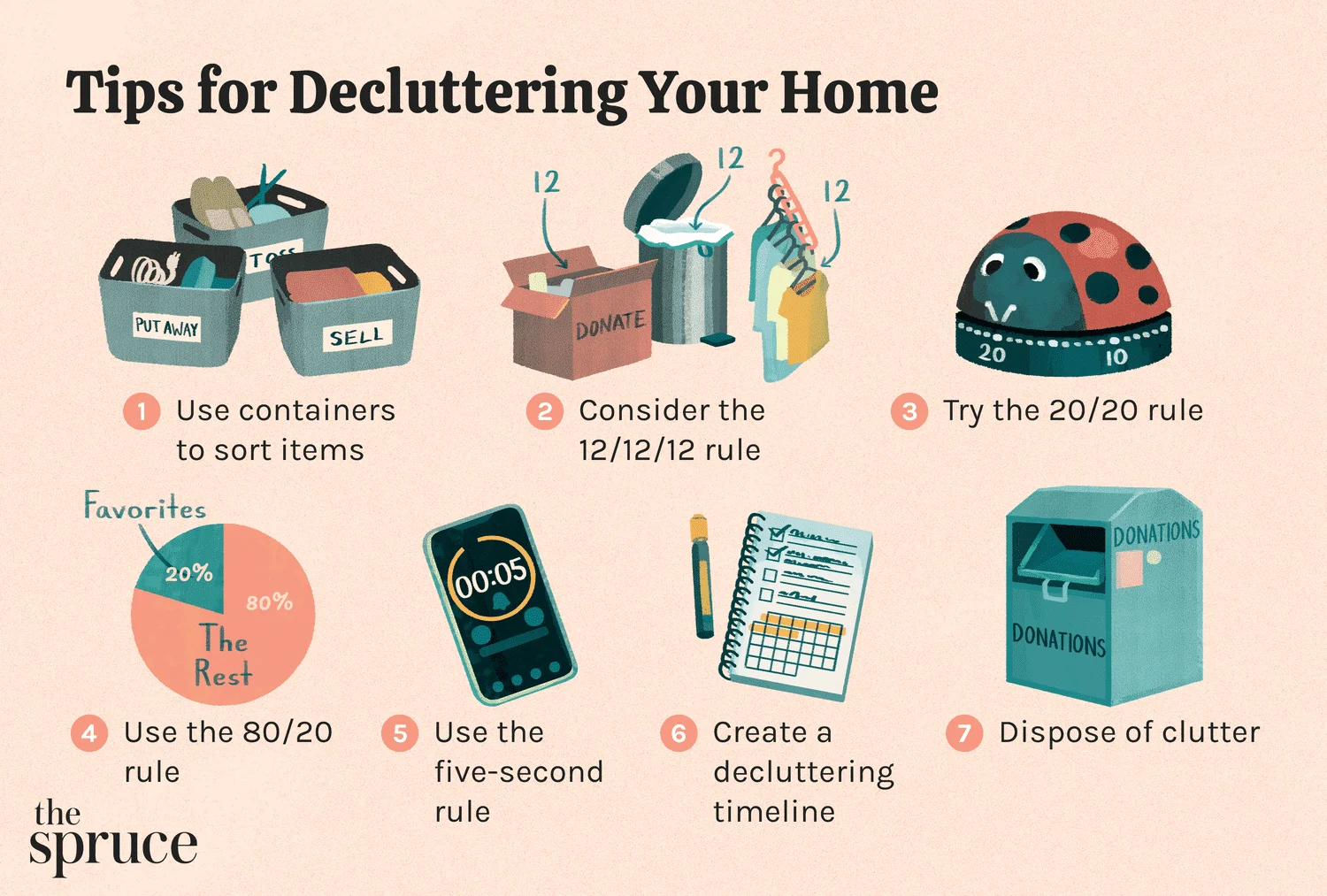
One effective way to keep clutter in check is by adopting the “one in, one out” rule. This simple approach means whenever you bring a new item into your home, you remove an existing one. It prevents accumulation without needing a major overhaul. Over time, this habit encourages mindful purchasing and discourages hoarding tendencies.
Using the 10-Minute Tidy-Up Method
Another practical method is dedicating just ten minutes a day to tidying a specific area. Breaking decluttering into small segments makes the task less daunting and easier to maintain consistently. Focus could be on a kitchen countertop, a desk, or an entryway. This incremental progress builds momentum, turning decluttering from a chore into a routine seamlessly incorporated into daily life.
Smart Storage Solutions to Enhance Organization
Maximizing Vertical Space in Every Room
Making use of vertical space is a clever way to add storage without cluttering floor areas. Shelves, hooks, and tall cabinets can hold a variety of items while keeping surfaces clear. For example, installing wall-mounted organizers in kitchens or bathrooms not only frees up valuable counter space but also keeps frequently used items within easy reach. Smart vertical storage transforms typically wasted spaces into functional, orderly areas.
Choosing Purposeful Containers and Labels
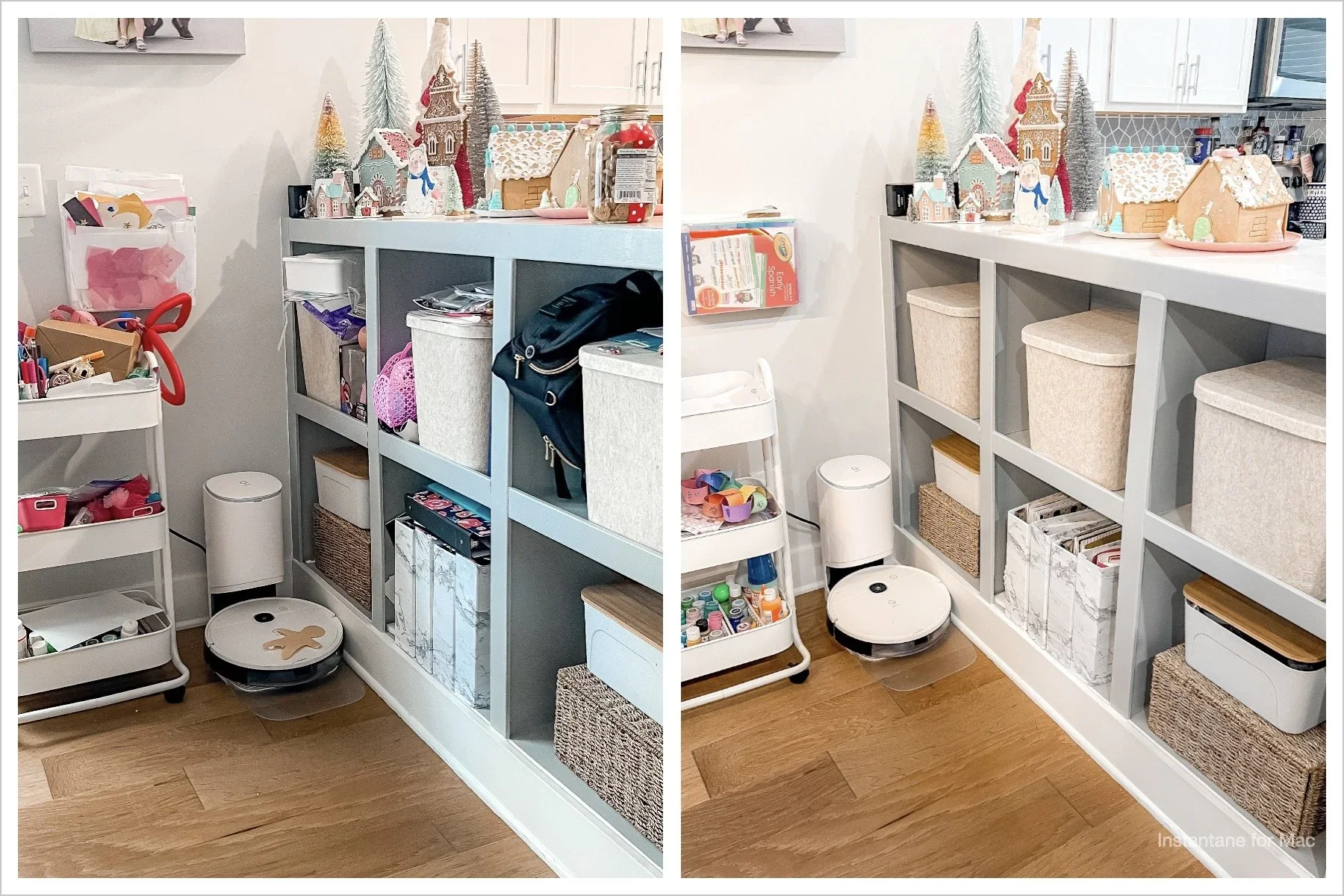
Selecting containers that fit the purpose and size of stored items simplifies organization. Clear bins allow you to see contents at a glance, reducing the time spent searching. Labeling containers adds another layer of efficiency, helping everyone in the home know where things belong. This strategy minimizes confusion and sustains a tidy environment, especially in shared spaces.
Integrating Technology to Stay Organized
Apps for To-Do Lists and Home Inventory
Technology can be a valuable partner in maintaining order. Numerous apps exist to help manage daily tasks and keep track of household belongings. To-do list apps allow you to schedule cleaning routines, while home inventory apps remind you what you own, reducing unnecessary repurchases. Using these digital tools can streamline the organizational process by centralizing responsibilities and enhancing accountability.
Scheduling Reminders for Routine Clutter Maintenance
Setting regular reminders on your phone or calendar ensures that organizational tasks do not slip through the cracks. These prompts can nudge you to declutter, clean specific areas, or rotate seasonal items, helping to preserve the progress you’ve made. Consistency through scheduled maintenance avoids the buildup of clutter and the stress associated with large, sporadic cleaning sessions.
Creating a Supportive Environment for Long-Term Organization
Involving All Household Members
For organizational habits to stick, it’s important that everyone living in the home participates. Encouraging family members to take responsibility for their personal spaces and contribute to shared areas fosters a cooperative atmosphere. When chores and decluttering efforts are shared, the burden feels lighter, and a collective commitment to maintaining order strengthens over time.
Setting Realistic Goals and Celebrating Progress
Maintaining motivation is easier when you set achievable goals rather than aiming for perfection. Start with small objectives such as organizing a single drawer or clearing a tabletop. Celebrate these victories, no matter how minor, as they build confidence and reinforce positive habits. This gradual approach helps sustain long-term organization by focusing on progress instead of perfection.