Understanding Minimalism: The Key to a Productive Workspace for Moms
Defining Minimalism in the Context of Home Workspaces
Minimalism, especially for working moms, means creating a workspace that removes distractions and focuses solely on what’s essential for productivity. Unlike a sparse or bare environment, minimalism emphasizes intentionality — every item in the workspace serves a purpose. It’s about striking a balance between functionality and simplicity, allowing the mind to concentrate without clutter-induced stress. Imagine a desk where your laptop, a notepad, and a few pens are within reach, but everything else is neatly tucked away. This approach reduces visual noise and makes it easier to shift between work tasks and mom duties seamlessly.

Benefits of a Minimalist Workspace for Working Mothers
For working moms juggling numerous responsibilities, a minimalist workspace can be a game-changer. First, it promotes focus by eliminating unnecessary distractions. When your environment is streamlined, you spend less time searching for items or getting sidetracked by clutter. Second, it encourages a sense of calm amidst a hectic day, which helps reduce stress and fatigue. A cluttered desk often mirrors a cluttered mind, so simplifying the surroundings can improve mental clarity. Lastly, it fosters efficiency. With a clear setup, workflows become smoother, and transitioning between work and personal tasks feels more natural, ultimately increasing productivity and satisfaction.
Step-by-Step Guide to Designing Your Minimalist Workspace
Choosing the Right Location at Home
Finding the ideal spot for your workspace is the first and often most challenging step. Consider an area that’s away from heavy household traffic yet accessible for intermittent family needs. For instance, take Sarah, a mother of two, who converted a small nook in her living room into her office corner. By adding a room divider, she created a visual boundary, helping her focus when working and signaling to her kids when she’s “in office mode.” Natural light is also a crucial factor—select a location near windows if possible, as daylight helps sustain energy and alertness throughout the day.
Selecting Functional and Aesthetic Furniture
Furniture is the backbone of any workspace, but it doesn’t have to be bulky or expensive. Opt for pieces with clean lines and multipurpose features. For example, a desk with integrated storage compartments can reduce surface clutter. Consider the comfort factor too—a supportive ergonomic chair can prevent back pain during long work hours. Take inspiration from Lisa, who chose a sleek white desk paired with a soft pastel chair that fits her home’s aesthetic, making work feel less like a chore and more inviting. Remember, your workspace should blend comfort with style to create a pleasant atmosphere that you look forward to returning to daily.
Decluttering Strategies for Busy Moms
Decluttering when you’re balancing work and motherhood requires practical tactics. Instead of attempting to overhaul your entire space at once, break it down. Dedicate 15 minutes each day to sorting through your desk items, filing papers, or reorganizing your shelves. Use labeled storage bins or drawer organizers to keep similar objects grouped. For instance, Emma, a freelance writer and mom, keeps a “daily essentials” tray for pens, chargers, and sticky notes, so she always knows where her must-haves are. Over time, these small habits accumulate, making your workspace consistently orderly without overwhelming your schedule.
Optimizing Lighting and Color Schemes to Boost Focus
Lighting and color greatly influence concentration and mood. Natural light is ideal because it reduces eye strain and helps regulate your circadian rhythm. If natural light is limited, invest in daylight-spectrum bulbs that mimic sunlight. As for colors, softer tones like muted blues, greens, or warm neutrals encourage calm and focus. Working mom Ana brightened her previously dim workspace by painting one wall light gray and adding a desk lamp with adjustable brightness. This subtle change enhanced her ability to work during early mornings before her kids woke up, proving that lighting and color play critical roles in creating a productive environment.
Tools and Accessories That Support Minimalism and Efficiency
Essential Tech Gadgets
Simplifying technology helps avoid overwhelm and keeps the workspace functional. A wireless mouse and keyboard reduce cable clutter, while noise-canceling headphones allow you to concentrate despite household noise. For example, Maya, a marketing manager and mom of three, swears by her compact wireless printer that fits neatly on a small shelf, enabling quick document handling without sprawling wires. A quality laptop stand can also improve posture and free up desk space underneath. Choose gadgets that serve multiple purposes or enhance your workflow without crowding your desk.
Organizational Tools and Storage Solutions
Smart storage is crucial to sustaining minimalism. Opt for vertical storage like wall-mounted shelves or pegboards to keep frequently used items accessible but off the desk surface. Personal organizer trays can hold stationery while keeping them contained. Some moms find clear acrylic bins helpful because they can see contents at a glance, reducing time spent searching. For instance, Jennifer uses color-coded file folders stored in a slim cabinet close by, categorizing work projects, bills, and kids’ school paperwork separately. Such systems save time and mental energy, which are often in limited supply.
Maintaining Your Minimalist Workspace Amid Family Life
Daily Habits for Keeping the Space Tidy
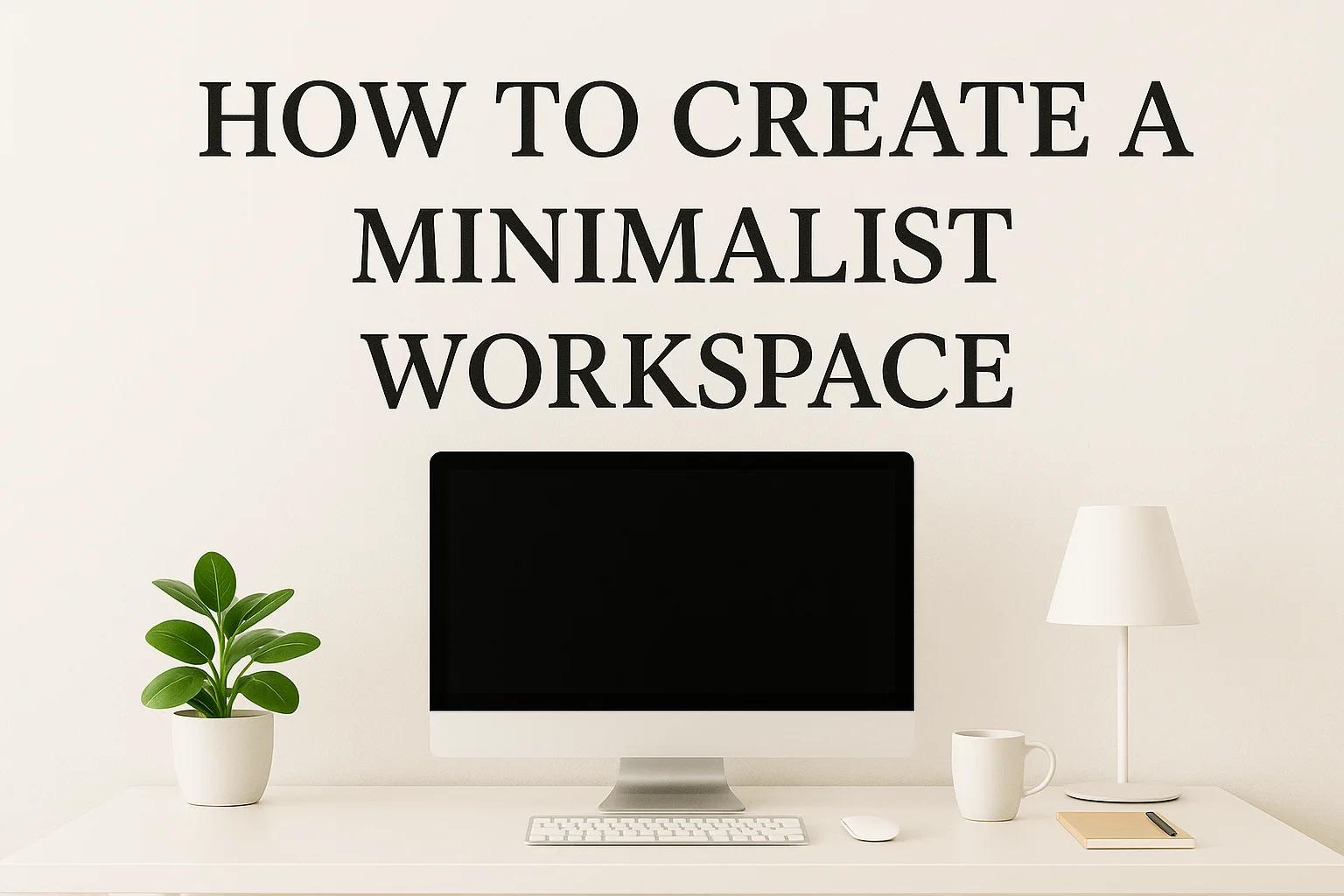
Consistency is key when family life constantly challenges workspace order. Developing quick end-of-day routines—like putting away papers, wiping surfaces, and charging devices—can transform clutter control from a daunting task into an automatic habit. When Mia’s toddler spills juice near her laptop, she immediately addresses the mess before it causes chaos. Teaching kids simple respect for the workspace, like not leaving toys there, also helps maintain order. Remember, a few minutes invested daily prevents overwhelming cleanups later.
Balancing Work, Kids, and Personal Time in One Space
Working moms often juggle multiple roles simultaneously, and having a minimalist workspace can help demarcate boundaries. Communicate your work hours clearly to your children and household members, if possible, to minimize interruptions. Create signals like a closed door or wearing headphones to indicate focus time. At the same time, build flexibility into your routine to allow short breaks for family needs or quick stretches. For example, Rachel uses her minimal desk setup to quickly switch from work to helping her kids with homework, then back again, all without the distraction of an overly cluttered environment.
Inspirational Workspace Examples for Working Moms
Case Studies: Real-Life Minimalist Workspaces
Consider how Jenna, a graphic designer and mom, transformed a small guest room into a minimalist powerhouse. She installed floating shelves to hold only essential art supplies, chose a plain wooden desk for warmth and simplicity, and kept her color palette neutral with pops of green from a succulent. Her setup allows her to focus intensely during client projects while easily closing the door to separate work and family life.
Another example is Michelle, a remote customer service manager. She uses a corner of her kitchen with a compact, rollable desk that tucks away after hours. Her secret to minimalism is multi-use items, such as a corkboard that doubles as a family message center. This kind of thoughtful design allows her to balance work with the energetic flow of family life seamlessly.
Visual Mood Board Ideas for Your Setup
Imagine combining warm wood tones with soft pastel accents—think baskets made of natural fibers alongside sleek white storage boxes. Add in some greenery for life without clutter, like a small potted plant or hanging terrarium. Consider artwork that’s simple but inspiring, such as a framed motivational quote or an abstract print that calms the eyes. A few thoughtfully chosen decorative pieces can make your workspace feel personal without overwhelming your senses, turning your minimalist area into a sanctuary of focus and creativity.