Understanding the Role of Hydration in Weight Management
How Water Influences Metabolism
Water plays a crucial role in almost every bodily function, and metabolism is no exception. When you are properly hydrated, your body’s ability to burn calories efficiently is supported. Studies have shown that drinking water can temporarily boost the number of calories your body burns, a concept known as resting energy expenditure. This metabolic boost is subtle but can add up over time, especially when combined with a healthy diet and regular physical activity.
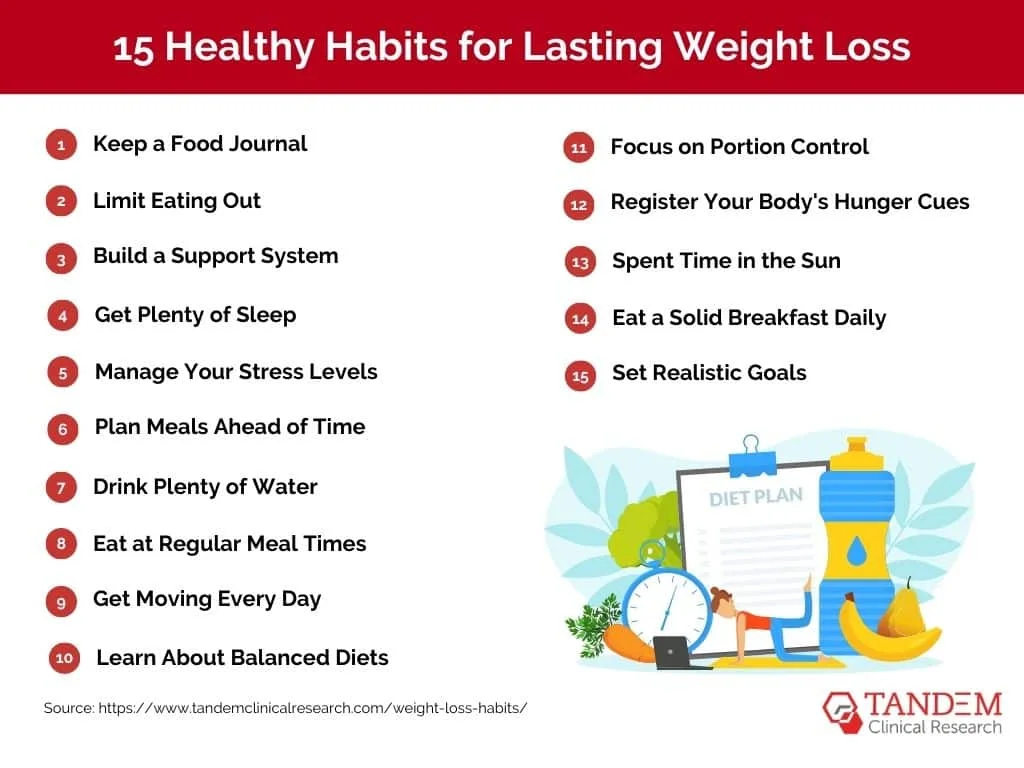
Moreover, water is essential for the breakdown and transportation of nutrients. It helps flush out waste products and supports optimal digestive function, which also ties back to how effectively your metabolism operates. Keeping hydrated ensures these processes don’t slow down, making it easier to reach your weight management goals.
The Connection Between Hydration and Appetite Control
Many people mistake thirst for hunger. This confusion can lead to unnecessary snacking that adds unwanted calories. Staying hydrated helps your body better differentiate between true hunger and thirst. When you drink enough water, you give your brain the signals it needs to interpret your body’s needs accurately.
Additionally, hydration affects the hormones related to hunger. For example, adequate water intake can influence leptin and ghrelin, hormones that respectively signal fullness and hunger. By keeping these hormones in balance, you may find it easier to regulate your appetite and avoid overeating.
Simple Daily Hydration Practices for Weight Loss
Timing Your Water Intake for Maximum Benefit
When you drink water matters just as much as how much you drink. Many experts suggest starting your day with a glass of water to kick-start your metabolism. Drinking water before meals is another easy habit that can support weight loss efforts. It helps prepare your digestive system and may lead to eating less since some hunger cues might be satisfied by hydration.
Throughout the day, sipping water regularly, rather than gulping large amounts all at once, helps maintain steady hydration. Small, consistent intake keeps your body functioning at its best without overwhelming your kidneys.
Choosing the Right Fluids: Beyond Just Water
While plain water is the best choice for hydration, other fluids can contribute positively too. Unsweetened herbal teas, infused water with fruits or herbs, and even sparkling water can keep hydration enjoyable and varied. Just be cautious with beverages that contain added sugars or artificial ingredients, as these can counteract your weight loss efforts.
Some find that drinking warm liquids helps with digestion and satiety, while others prefer cold drinks to refresh after activity. Ultimately, the best choice is what encourages you to drink more consistently throughout the day.
Hydration Tricks to Prevent Overeating
Using Water to Recognize True Hunger vs. Thirst
Before reaching for a snack, try drinking a glass of water first. This simple step can help you determine if your body really needs food or is simply dehydrated. Often, after drinking water, the urge to eat diminishes, revealing that thirst was the real underlying signal.
This approach not only supports hydration but also reduces unnecessary calorie intake. It’s a practical habit that encourages mindfulness around eating and helps build a stronger connection with your body’s signals.
Pre-Meal Hydration: How It Reduces Calorie Intake
Drinking water before meals can gently fill your stomach and promote a feeling of fullness. This often leads to consuming smaller portions without feeling deprived. Many have found that beginning a meal with a glass of water helps prevent overeating by calming the appetite.
In addition, water before meals aids digestion by preparing the stomach and digestive enzymes for incoming food. The combined effect supports both mindful eating and better nutrient absorption.
Integrating Hydration into Your Weight Loss Routine
Hydration Reminders and Apps
For those who struggle to remember drinking enough water, smartphone apps and hydration reminders can be game changers. These tools send gentle nudges throughout the day, encouraging you to take small sips regularly. Many apps even allow you to customize your goals and track progress, making hydration a more interactive and achievable part of your routine.
Setting visual cues, like keeping a water bottle in plain sight, also helps establish consistent hydration habits. Over time, these changes become second nature, making your weight loss journey smoother.
Creative Ways to Flavor Your Water Without Added Calories
If plain water feels bland, there are easy ways to add subtle flavors without extra calories. Infusing water with slices of citrus fruits, cucumber, fresh herbs like mint or basil, or berries can turn hydration into a sensory treat. This creativity often increases how much water people drink simply because it tastes more enjoyable.

Another idea is to brew herbal teas that can be enjoyed hot or cold. These not only hydrate but can offer calming or energizing effects depending on the herbs you choose.
Potential Pitfalls and How to Avoid Them
Overhydration Risks and Balancing Electrolytes
While hydration is important, too much water intake in a short period can lead to a condition called hyponatremia, where electrolyte levels become dangerously low. Although rare, it’s important to listen to your body and avoid forcing excessive water consumption.
Balancing water with electrolytes—naturally found in fruits, vegetables, and nuts—helps prevent these issues. If you engage in prolonged intense exercise or sweat heavily, replenishing both fluids and electrolytes becomes especially relevant.
When Hydration Alone Isn’t Enough: Combining with Other Lifestyle Changes
Hydration supports weight loss but is one piece of a larger puzzle. Relying solely on drinking water without adjusting dietary habits or physical activity may limit your progress. Combining hydration with balanced meals, regular movement, and adequate rest creates a sustainable foundation for healthy weight management.
Recognizing hydration as a supportive tool rather than a standalone solution can help set realistic expectations and encourage holistic wellness choices.