Understanding the Role of Walking in Sustainable Fat Loss
Benefits of Walking Compared to Other Exercises
Walking is one of the most accessible forms of exercise. Unlike high-impact workouts or gym routines, it requires no special equipment or advanced skills. It is gentle on joints, making it suitable for most fitness levels and ages. While walking might burn fewer calories per minute compared to intense cardio or weight training, its low barrier to entry encourages regular practice, which is key to sustained fat loss over time.
How Walking Influences Metabolism and Fat Burning
Walking elevates your heart rate modestly, promoting calorie burn without pushing your body into exhaustion. This moderate effort helps the body utilize fat as a primary energy source, particularly during prolonged, consistent walking sessions. Additionally, walking boosts metabolism subtly, improving overall energy expenditure and assisting with gradual fat loss when combined with other healthy habits.
The Importance of Consistency Over Intensity
Many people overestimate the role of intensity and underestimate the power of daily consistency. Sustainable fat loss is less about intense workouts and more about establishing a habitual walking routine. Regularity ensures that the body adapts and continues to burn fat without stress or burnout. Overexertion can lead to injury or fatigue, disrupting progress and motivation in the long run.
Setting Realistic Goals for Your Walking Routine
Assessing Your Current Fitness Level
Before designing a walking plan, understand your starting point. Reflect on how active you are currently, any physical limitations, and how your body responds to movement. Walking should feel manageable and refreshing, not draining. This assessment helps set a foundation that respects your body’s needs and reduces the risk of overexertion.
Determining Fat Loss Targets That Are Sustainable
Setting ambitious goals can be motivating but unrealistic targets often backfire. Aim for gradual fat loss of about 1-2 pounds per week, which is both effective and maintainable. This pace encourages healthy habits and prevents the temptation of quick fixes or extreme routines that might cause injury or burnout.
Scheduling Walks to Balance Life and Fitness
Integrate walking into your daily schedule in a way that complements your lifestyle. Whether it’s a morning routine, lunchtime walks, or evening strolls, consistency matters more than timing. Choose slots that minimize stress and maximize enjoyment, making the walk a restorative habit rather than a chore.
Creating a Customized Daily Walking Plan
Choosing the Optimal Duration and Pace
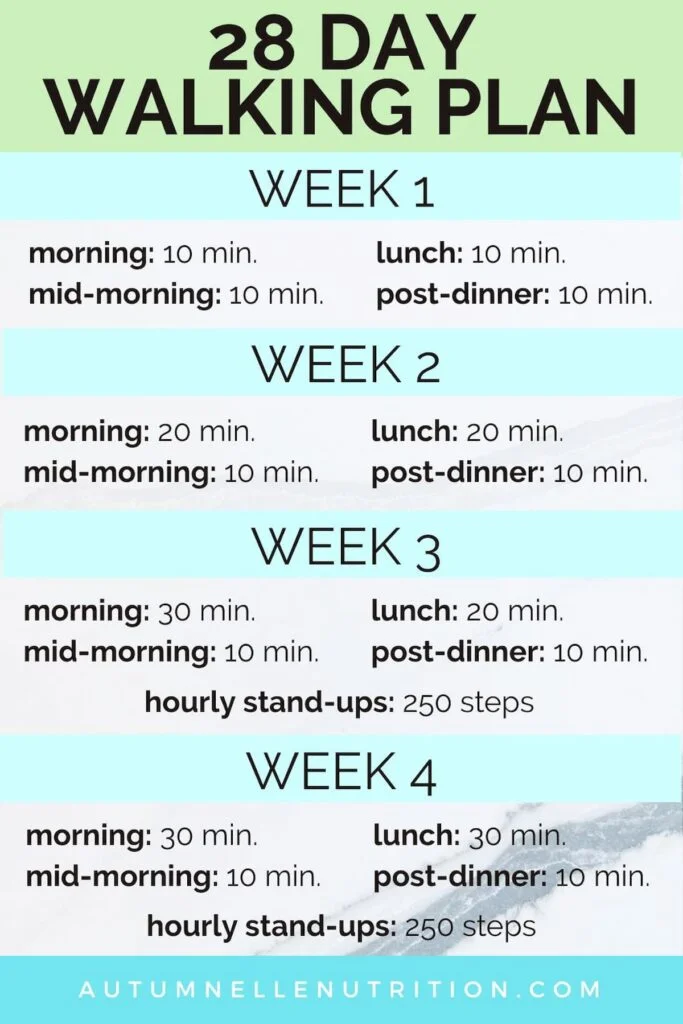
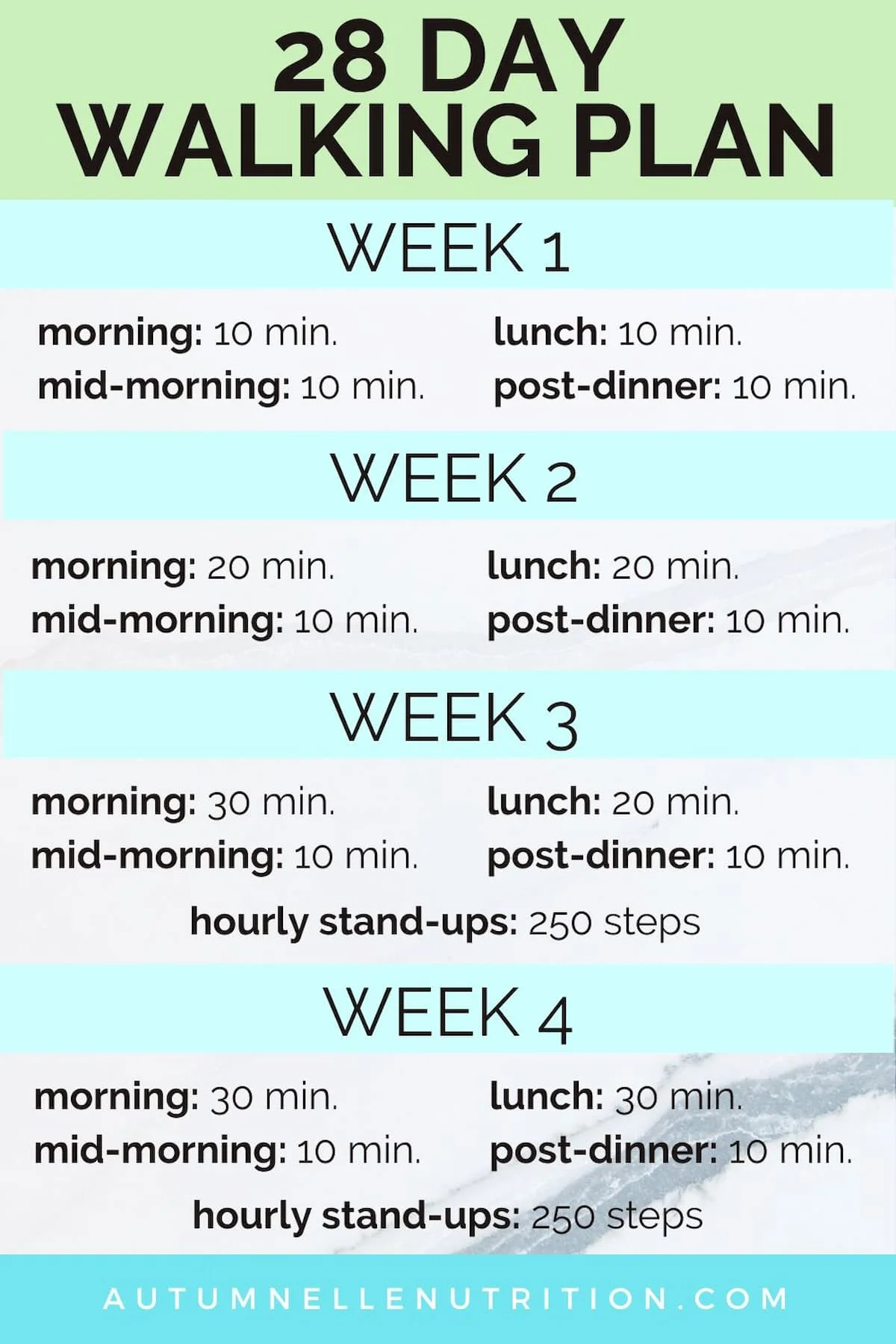
Start with a comfortable duration, such as 20 to 30 minutes a day, and adjust as your stamina improves. The pace should elevate your heart rate enough to prompt fat burning but still allow you to hold a conversation. Walking briskly rather than slowly increases calorie expenditure while keeping the session enjoyable and safe.
Incorporating Interval Walking for Enhanced Fat Loss
Adding short bursts of faster walking can amplify fat-burning effects. For example, alternate one minute of brisk walking with two minutes at a comfortable pace. These intervals raise metabolic rate temporarily without causing exhaustion. However, keep intervals short and infrequent initially to avoid overexertion.
Strategies to Avoid Overexertion and Injury
Listen to your body’s signals and adjust intensity accordingly. Wearing supportive shoes, warming up with slower walking, and cooling down gently help prevent strain. Avoid walking in extreme weather or on overly challenging terrain until your fitness improves. Gradual progression is crucial to sustaining your routine without setbacks.
Tracking Progress and Staying Motivated
Using Wearables and Apps for Accurate Monitoring
Digital tools like pedometers, smartwatches, or fitness apps can track steps, pace, and calories burned. These metrics provide tangible feedback, helping you see progress and stay accountable. Monitoring trends over weeks offers insight into your consistency and areas to improve.
Adjusting Your Routine Based on Results and Feedback
Regularly review your progress and how you feel physically. If weight loss plateaus or fatigue sets in, modify your walking duration, pace, or frequency. Flexibility in your routine helps sustain momentum and prevents discouragement. Remember, slow and steady adjustments keep fat loss sustainable.
Tips for Maintaining Long-Term Motivation
Set small milestones, celebrate achievements, and vary routes to keep walks engaging. Walking with a friend or joining a community group adds social support. Visualizing the health benefits rather than just the scale’s numbers fosters intrinsic motivation that sustains your effort.
Complementary Lifestyle Habits to Support Fat Loss
Nutrition Tips to Boost Walking Benefits
A balanced diet rich in whole foods supports fat loss alongside walking. Focus on whole grains, lean proteins, healthy fats, and plenty of vegetables. Staying hydrated and avoiding excessive processed foods amplify the effects of daily walking on body composition.
The Role of Sleep and Stress Management
Quality sleep and stress control significantly influence fat loss. Poor sleep disrupts hunger hormones, leading to increased calorie intake, while chronic stress elevates cortisol, which promotes fat storage. Prioritize rest and relaxation techniques to complement your walking routine.
Incorporating Strength Training and Flexibility Exercises
Adding light strength training twice a week enhances muscle mass, which boosts metabolism and improves walking efficiency. Flexibility exercises like stretching or yoga reduce injury risk and improve mobility. These practices support overall fitness and accelerate sustainable fat loss.