Understanding Aging Skin: The Basics
How Skin Changes Over Time
Aging skin undergoes several changes that affect texture, elasticity, and tone. Collagen production decreases, leading to less firmness and the appearance of fine lines and wrinkles. Skin also tends to become drier as oil production slows down, and pigmentation can become uneven. These factors influence how makeup, particularly contouring and highlighting, will apply and appear.
Common Challenges with Contouring and Highlighting on Mature Skin
Mature skin presents unique challenges for contouring and highlighting. Heavy products can settle into wrinkles, emphasizing them rather than disguising. Powder formulas may accentuate dryness and create a cakey look. Additionally, improper placement of contour and highlight can unintentionally draw attention to sagging areas instead of enhancing natural bone structure.
Essential Tools and Products for Aging Skin
Best Foundations and Primers
Selecting the right foundation and primer is crucial. Lightweight, hydrating primers help smooth the skin and provide a better base. Foundations with a dewy or satin finish often complement mature skin by adding radiance without clogging pores or emphasizing texture. Avoid heavy, matte formulas that can look drying.
Choosing Cream vs Powder Contours
Cream contours are generally preferable for aging skin since they blend more seamlessly and add a natural-looking dimension without settling into fine lines. Powders can work if finely milled and applied lightly, but often they require careful layering to avoid accentuating dryness or wrinkles.
Highlighting Products That Enhance Without Emphasizing Wrinkles
Opt for subtle, finely milled cream or liquid highlighters that provide a soft glow. Avoid chunky glitters or overly shimmery products that highlight skin imperfections. Using highlighters with light-reflecting properties can brighten without drawing undue attention to texture.
Step-by-Step Contouring Techniques for Mature Skin
Mapping Your Face: Areas to Contour
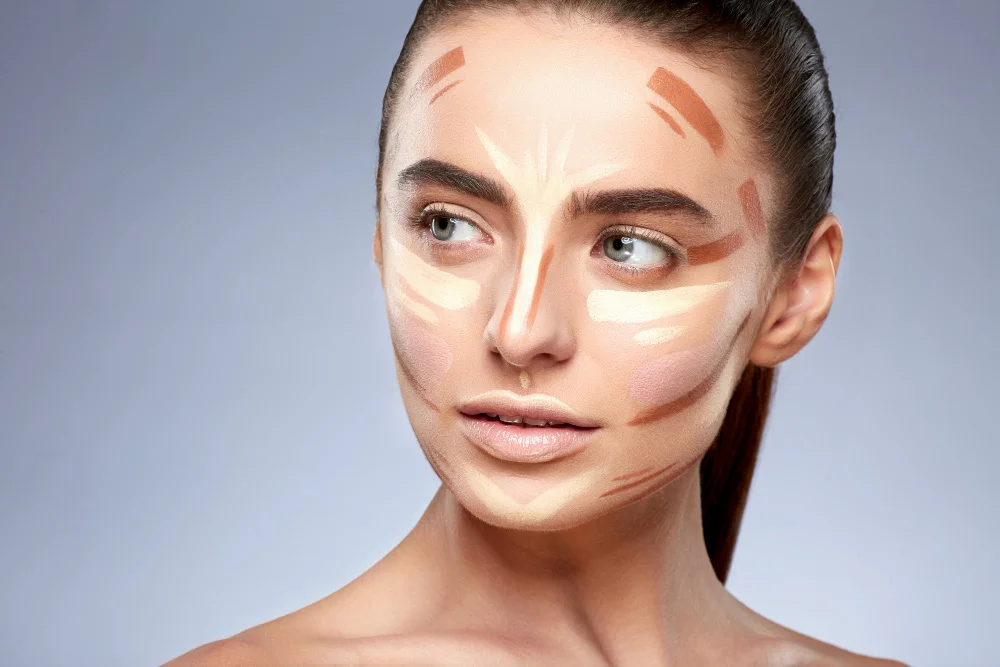
Focus contouring on areas that naturally create shadow and lift the face. This includes the hollows beneath the cheekbones, along the jawline, and sides of the nose. Avoid harsh lines near sagging areas or deep wrinkles, as it can amplify aging signs. Softening these zones helps create a subtle sculpted effect.
Application Tips for Natural-Looking Definition
Use a small, dense brush or your fingers to apply cream contour products. Start with a light hand and build gradually. Blend outward in gentle circular motions, ensuring the contour fades seamlessly into the foundation. Less is more when aiming for elegance and definition on mature skin.
Blending Techniques to Avoid Harsh Lines
Blending is key to avoid stark contrasts that exaggerate wrinkles. Use a damp makeup sponge or a soft brush to diffuse edges. Patting motions work better than dragging, as they preserve product placement and create a more natural finish. Blending into the neck and hairline prevents any obvious makeup borders.
Highlighting Strategies to Brighten and Lift
Where and How to Apply Highlighter
Apply highlighter to the high points of the face where light naturally hits: the tops of cheekbones, brow bones, inner corners of the eyes, and down the bridge of the nose. Avoid the crease area of eyelids and smile lines, where shimmer can settle into wrinkles. Light layering ensures a refreshed, lifted appearance.
Using Subtle Tones for a Youthful Glow
Choose highlighters with soft champagne, pearl, or rose gold undertones to complement mature skin tones. These shades impart warmth and radiance without looking stark or unnatural. Matte or overly frosty finishes often make skin appear dry or aged; keep the glow subtle and dewy.
Common Mistakes and How to Avoid Them
Over-Contouring and Heavy Highlighting
Applying too much contour or highlight can create an artificial and harsh effect. Thick layers emphasize wrinkles and texture, detracting from natural beauty. Stick to subtle application and build gradually to maintain balance and avoid a cakey look.
Product Layering Pitfalls on Aging Skin
Many mature skin types are prone to dryness, so layering heavy products can lead to patchiness and settling. Limit the number of layers by choosing multi-functional products, such as tinted moisturizers with built-in radiance or cream contours combined with blush, to keep the skin breathable and fresh.
Finishing Touches and Setting Your Makeup
Which Setting Products Work Best
Use lightweight, hydrating setting sprays rather than powders to lock in makeup without mattifying the skin excessively. Setting powders can blur fine lines or dull the complexion when overused on mature skin. A dewy finish enhances the youthful glow.
Maintaining a Fresh Look Throughout the Day
Carry a hydrating mist or cushion compact for quick touch-ups. Blot excess oil gently without disturbing the makeup base. Periodic light reapplication of cream products instead of powder helps retain a natural appearance while minimizing texture visibility.