Understanding the Importance of an Evening Ritual
The Science Behind Sleep Quality
Getting a good night’s sleep is vital for overall well-being, impacting everything from mood to cognitive function. Our bodies follow a natural rhythm called the circadian clock, which signals when it’s time to rest and when to be alert. However, modern lifestyles and stress can disrupt this rhythm, making it harder to fall asleep and stay asleep. Establishing an evening ritual helps reinforce these natural cycles by signaling to your body that the day is winding down, preparing it for restful sleep.
How Evening Habits Impact Sleep
The habits we form before bed can either support or sabotage our sleep quality. Even small actions like checking your phone or drinking caffeine late in the day can interfere with the ability to relax. By contrast, routines that promote calm and reduce stimulation can ease the transition from wakefulness to rest. A thoughtful evening ritual creates consistency, helping your brain and body recognize when it’s time to switch gears and embrace restfulness naturally.
Assessing Your Current Nighttime Routine
Identifying Sleep Disruptors
Before making changes, it’s helpful to take a close look at your existing nighttime habits. Are you scrolling through social media or watching intense shows right before bed? These activities expose your eyes to blue light, which can delay the release of melatonin, the hormone responsible for sleep. Eating heavy meals or consuming caffeine late can also throw off your ability to settle down. Recognizing these disruptors is the first step toward improving your evening routine.
Recognizing Positive Sleep Cues
On the flip side, think about what currently helps you wind down. Maybe you enjoy reading a book or listening to soft music. Some people benefit from dimming the lights or tidying up their sleeping space, which can create an environment conducive to rest. These positive cues are clues to what naturally signals your brain that bedtime is near. Identifying them allows you to build a ritual that feels authentic and effective.
Step-by-Step Guide to Creating Your Evening Ritual
Choosing Calming Activities
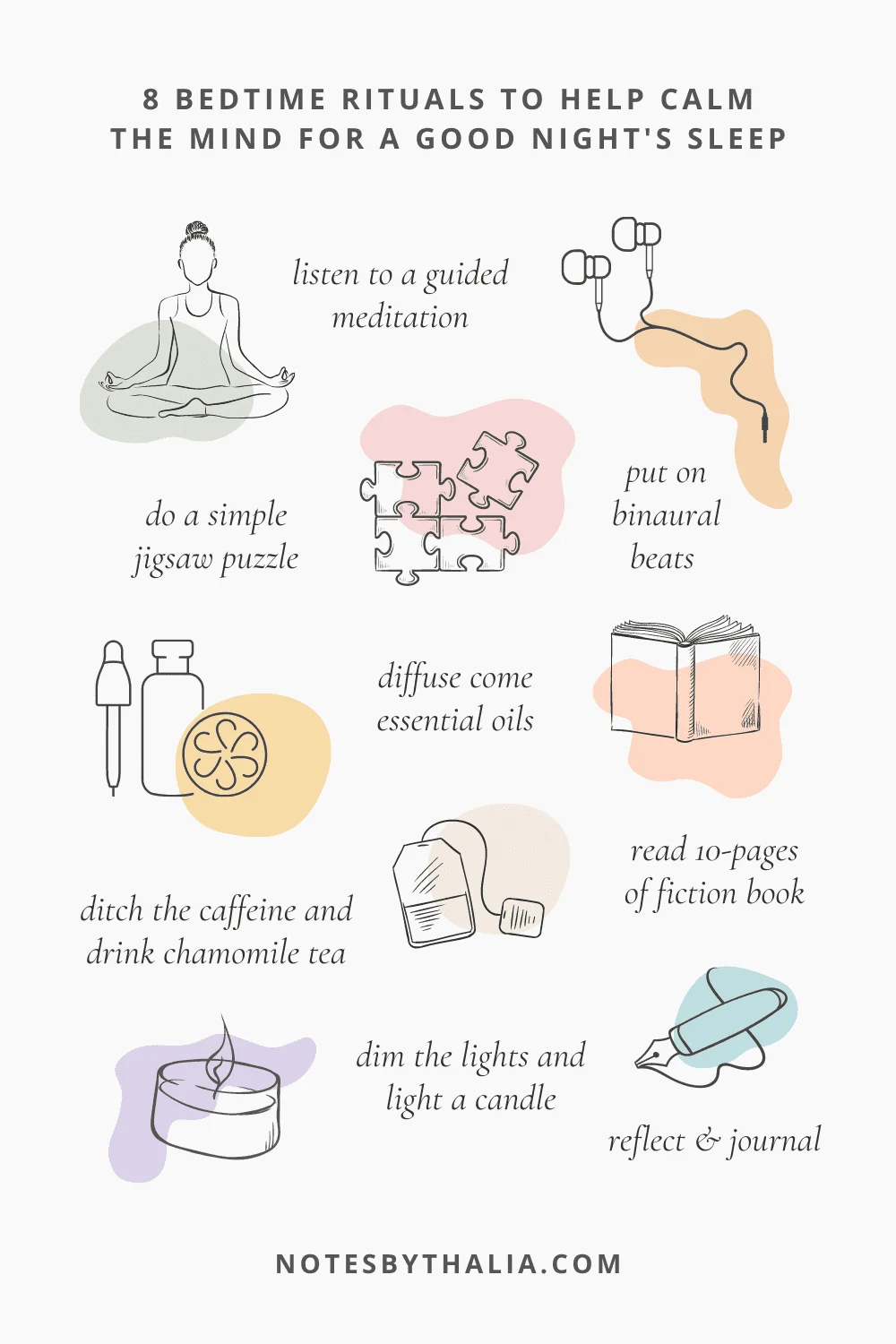
Your evening ritual should include activities that promote relaxation and reduce mental chatter. This might be journaling your thoughts, practicing light meditation, or simply sitting quietly with a cup of herbal tea. It’s important to pick habits that resonate with you personally, making the ritual something you look forward to rather than just another task.
Setting a Consistent Sleep Schedule
One of the most effective ways to improve sleep quality is to go to bed and wake up at the same times every day, even on weekends. This consistency reinforces your body’s internal clock, making it easier to fall asleep quickly and wake up feeling refreshed. Aligning your evening ritual with a fixed bedtime creates a predictable rhythm that your body comes to expect and rely on.
Limiting Screen Time and Blue Light Exposure
Exposure to screens from phones, tablets, and computers can interfere with the body’s natural sleep signals. Ideally, aim to disconnect from digital devices at least 30 to 60 minutes before bed. Instead, focus on low-light activities that don’t involve screens. This simple change can make a big difference in how quickly you drift off and how deeply you sleep through the night.
Incorporating Natural Elements to Enhance Relaxation
The Role of Aromatherapy and Herbal Teas
Adding natural elements to your evening ritual can further enhance relaxation. Aromatherapy, such as the use of lavender or chamomile essential oils, has been associated with calming effects and can prepare the mind for sleep. Similarly, sipping on caffeine-free herbal teas like chamomile or valerian root creates a soothing moment that signals the day is ending.
Gentle Stretching and Breathing Exercises
Before bed, engaging in gentle stretching or simple breathing exercises promotes physical relaxation and eases tension built up throughout the day. These calming movements help lower heart rate and reduce stress, making it easier to settle into a restful state. Even a few minutes of mindful breathing can shift your body’s focus away from daily worries toward a peaceful mindset.
Tracking Your Progress and Adjusting the Ritual
Using Sleep Journals and Apps
Monitoring how you feel each morning and noting changes in your sleep can offer valuable insight into what’s working and what might need tweaking. Keeping a sleep journal or using a dedicated app allows you to track patterns over time. This feedback can be motivating, showing improvements and helping you fine-tune your evening activities for better results.
Recognizing Signs of Improvement
Improved sleep might show up as falling asleep faster, fewer nighttime awakenings, or waking up feeling more refreshed. It’s important to be patient; creating new habits and adjusting internal rhythms take time. Celebrate small wins along the way, as sustained improvement often happens gradually as your body adapts to the new routine.
Expert Tips to Sustain Your Evening Ritual
Staying Consistent Despite Challenges
Life can be unpredictable, and sticking to a ritual during stressful or busy times might feel difficult. Experts suggest keeping your evening routine flexible but consistent enough to maintain its calming benefits. Even a shorter version of your ritual on hectic days can help preserve the habit and promote better sleep.
Adjusting Your Ritual for Seasonal Changes
As the seasons change, you might find that your evening needs shift as well. Longer winter nights may encourage earlier bedtimes and cozier routines, while summer’s extended daylight could call for adjusted schedules. Being mindful of these variations and allowing your ritual to evolve can help keep it effective year-round.