Understanding the Importance of Expressing Needs and Boundaries
Why Clear Communication Strengthens Relationships
One of the main challenges in relationships is ensuring both partners feel understood and respected. When needs and boundaries are not clearly conveyed, misunderstandings often arise, leading to resentment and conflict. Clear communication helps prevent these issues by fostering transparency. It allows each person to express what they require for their well-being and happiness, making the relationship more balanced and supportive.
Without articulating your needs effectively, your partner may not realize what is important to you, which can cause frustration on both sides. When needs are expressed clearly, partners can work together to find solutions that honor both perspectives, strengthening trust and intimacy.
The Role of Boundaries in Maintaining Emotional Health
Boundaries serve as essential guidelines that protect an individual’s emotional and mental health within a relationship. They define what behaviors are acceptable and what crosses the line, ensuring that neither partner feels overwhelmed or disrespected. Without boundaries, personal space and autonomy can be compromised, leading to burnout or emotional distress.
Setting boundaries is not about pushing someone away; instead, it helps maintain a healthy balance between closeness and independence. When boundaries are acknowledged and honored, both partners feel secure, which contributes to a more harmonious and lasting relationship.
Preparing to Communicate Your Needs and Boundaries
Self-Reflection: Identifying Your True Needs
Before communicating your needs or boundaries, it is crucial to spend time understanding what they actually are. Often, people confuse temporary emotions or assumptions with their core needs. Reflecting deeply allows you to separate fleeting frustrations from fundamental desires.
Ask yourself questions like: What makes me feel valued? What behaviors drain my energy? What limits must be respected to maintain my sense of self? By clarifying these points beforehand, you come to the conversation with confidence and clarity, reducing ambiguity and potential conflicts.
Recognizing Potential Triggers for Conflict
Identifying what might provoke defensive reactions in either party is another important step. Conflicts often escalate not just from the content of what is said, but also from how it is communicated. Triggers can include past experiences, insecurities, or communication styles that make one feel attacked or misunderstood.
Being aware of these triggers allows you to approach sensitive topics with empathy and mindfulness. It also prepares you to remain calm and grounded if the conversation becomes tense, helping to prevent arguments from spiraling out of control.
Techniques for Expressing Needs Calmly and Clearly
Using “I” Statements to Avoid Blame
One of the most effective communication tools is the use of “I” statements. Instead of saying “You never listen,” which puts the other person on the defensive, framing your expression as “I feel unheard when my concerns are dismissed” centers the conversation on your experience. This subtle shift reduces blame and invites your partner to understand your perspective without feeling attacked.
By focusing on your feelings and needs, you open the door to constructive dialogue and encourage your partner to respond with empathy and care.
Timing and Setting: Choosing the Right Moment
Even the clearest message can lead to conflict if delivered at the wrong time or place. Selecting a quiet, private setting free from distractions helps both partners focus on the conversation. Avoid bringing up sensitive issues during moments of stress or fatigue, such as late at night or in the middle of an argument.
Waiting for a calm moment shows respect for your partner’s emotional state and increases the likelihood they will be receptive to hearing your needs. This patience often prevents unnecessary tensions and supports healthier exchanges.
Strategies to Set Boundaries Without Provoking Arguments
Being Assertive Without Aggression
Assertiveness involves standing up for your needs while respecting the other person. It is a balance between passivity and aggression. When boundaries are presented in a firm but respectful manner, your partner is more likely to accept them without feeling criticized.
Using a calm tone of voice, steady eye contact, and clear language conveys confidence without hostility. Avoiding accusatory or absolute terms also helps maintain a collaborative atmosphere rather than triggering defensive responses.
Offering Compromises While Maintaining Limits
Setting boundaries doesn’t mean rigidity; it means clarity. Showing willingness to compromise shows that you value your partner’s needs alongside your own. However, it is important to distinguish between negotiable issues and non-negotiable limits.
For example, if you need alone time each week, you might propose specific days while remaining open about how that time is spent. This approach prevents arguments by promoting flexibility where possible but also protects your essential emotional space.
Active Listening and Empathy in Difficult Conversations
How to Validate Your Partner’s Feelings
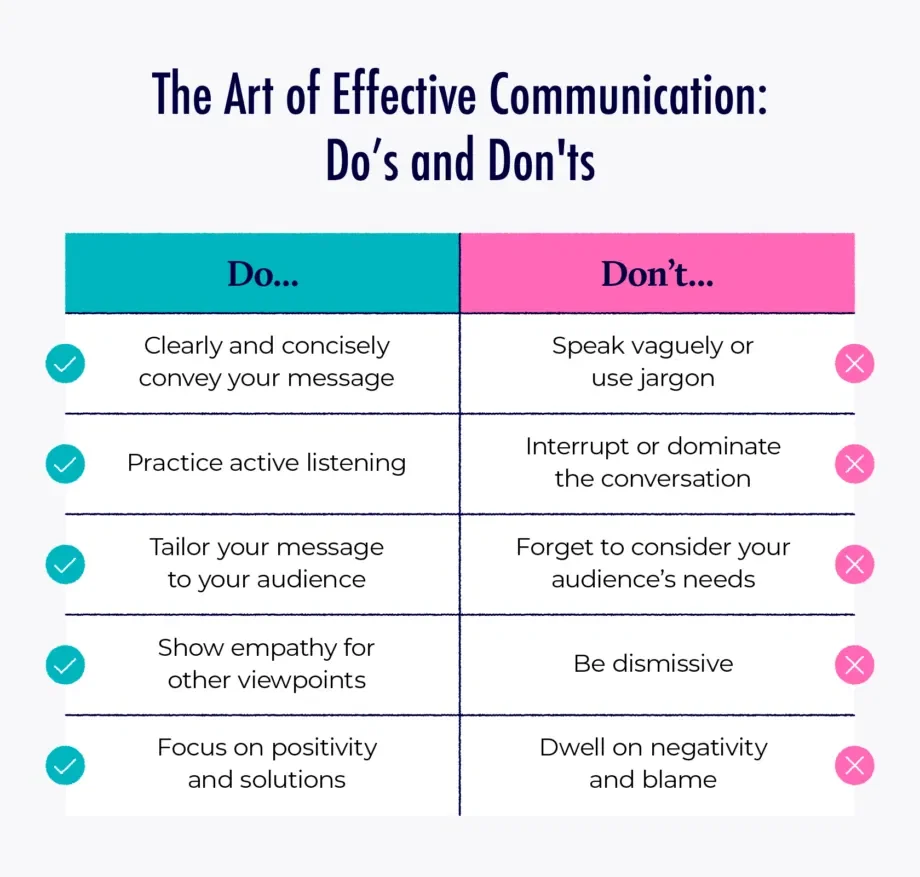
During conversations about needs and boundaries, your partner may share feelings that seem challenging or unexpected. Validating their emotions does not mean you have to agree, but it acknowledges their experience as real and important. Phrases like “I understand this is hard for you” or “It makes sense that you feel that way” create an atmosphere of mutual respect.
Validation encourages openness and reduces the likelihood of defensive or dismissive reactions, making it easier to work through sensitive topics together.
Encouraging Collaborative Problem-Solving
Expressing needs and boundaries should be seen as a joint effort to improve the relationship rather than a list of demands. Inviting your partner to share their thoughts and worries turns the conversation into a problem-solving session.
This collaboration fosters teamwork and strengthens the connection. When both parties feel heard and involved in creating solutions, it reduces tension and builds a sense of partnership.
Common Pitfalls and How to Avoid Them
Recognizing Defensive Reactions
Defensiveness can derail even the most well-intentioned discussions. It often arises when a person feels blamed, misunderstood, or attacked. Recognizing these reactions early allows you to take a step back and de-escalate the situation.
Pause the conversation if emotions run too high and return to it later with a calmer mindset. Reasserting the mutual goal of understanding each other can help both partners move beyond defensiveness toward empathy.
Managing Emotional Escalations Gracefully
Arguments can become heated quickly, but managing emotional surges with grace is possible. Deep breathing, taking breaks, and using calming language help prevent escalation. It is also helpful to acknowledge your own emotions and express them without blame.
Remembering that the goal is connection rather than winning an argument keeps interactions productive. Approaching difficult talks with patience and kindness reduces stress for both people involved.
Building Long-Term Communication Habits
Regular Check-ins to Adjust Needs and Boundaries
Relationships evolve, and so do individual needs and boundaries. Scheduling regular check-ins creates a space where both partners can openly discuss changes and concerns before they become problems. This habit keeps communication lines open and avoids the buildup of unresolved issues.
These conversations don’t have to be formal but committing to them shows care and investment in each other’s well-being over time.
Practicing Patience and Understanding Over Time
Change does not happen overnight, especially in how needs and boundaries are expressed and respected. Exercising patience allows both partners to adjust gradually and learn from mistakes without harsh judgement.
Maintaining an attitude of understanding helps create a safe environment where vulnerability is welcomed, and growth is encouraged. Over time, this nurtures a resilient relationship built on trust and mutual respect.