Why Daily Gratitude Matters in Relationships
The Psychology Behind Feeling Valued
At the core of any strong relationship lies the need to feel appreciated and valued. Psychologists point out that gratitude triggers the brain’s reward system, releasing dopamine and oxytocin — chemicals associated with happiness and bonding. When your partner feels genuinely valued, it nurtures security and encourages openness, paving the way for deeper emotional connection.
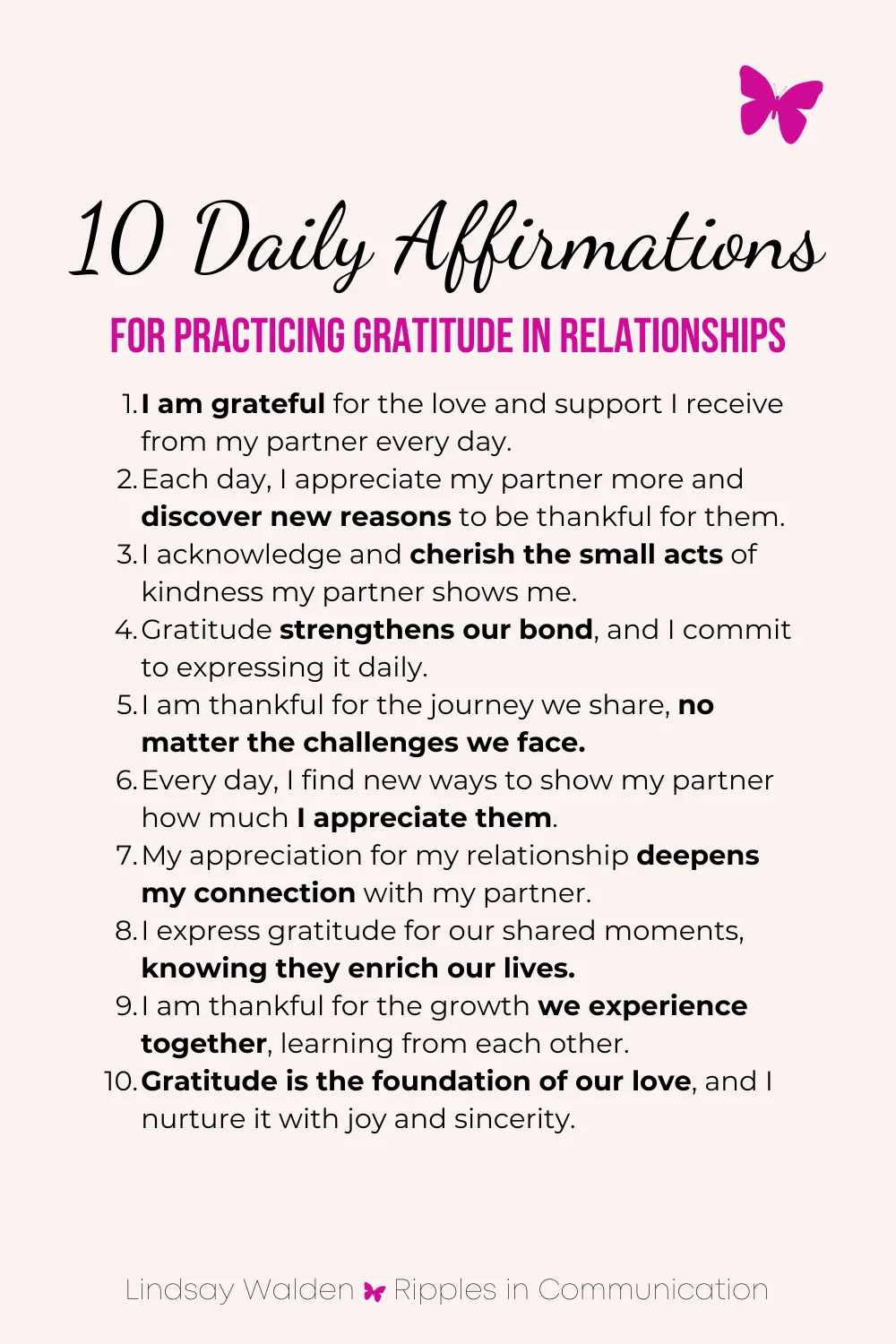
Consider the story of Maria and James, a couple who struggled with feeling distant despite living together for years. Once they started acknowledging small acts of kindness daily, Maria noticed James became more affectionate and communicative. That simple shift in perspective showed how fundamental gratitude is for emotional well-being.
How Gratitude Strengthens Emotional Bonds
Gratitude acts like emotional glue, reinforcing the sense that you are on the same team. When partners consistently express appreciation, they build a positive feedback loop, reducing negativity and increasing mutual respect. This creates a safe environment where both people can grow individually and as a couple.
In many long-term relationships, daily gratitude serves as a buffer against stress. For example, after a long day, instead of focusing on frustrations or unmet expectations, partners who practice gratitude remind each other of the good qualities and efforts made, softening tensions and rekindling affection.
Morning Rituals to Start Your Partner’s Day with Appreciation
Simple Morning Texts with Meaningful Messages
Imagine your partner waking up to a brief message that’s more than just “Good morning.” A text like, “I’m grateful for your patience yesterday—it really made a difference,” can transform their mindset for the day ahead. These small yet purposeful gestures help set a tone of love and respect before the day’s responsibilities take over.
In practice, this doesn’t require hours or elaborate messages. Even a timely emoji paired with a specific compliment can brighten their morning, signaling that you’re thinking of them and noticing their contributions.
Creating a Shared Gratitude Journal
Some couples find it powerful to keep a gratitude journal together, either digitally or in a physical notebook. Each morning, jotting down one thing you appreciate about your partner creates a tangible record of positivity. Over time, revisiting this journal offers encouragement during tough times.
Take Lisa and Mark, who started this routine during a busy season with their new baby. Despite exhaustion, their shared journal helped them stay connected by reminding each other of the small joys, such as Mark’s midnight diaper changes or Lisa’s unwavering calmness under pressure.
Everyday Actions That Express Gratitude Silently
Small Acts of Service That Speak Volumes
Not all gratitude needs words. Actions often articulate appreciation more profoundly than speech. Think about making your partner’s favorite coffee without being asked or handling a chore they dislike. These acts carve out moments of relief for them and communicate thoughtfulness effortlessly.
For instance, after a hectic workweek, Emma surprised her husband by preparing a dinner he loved. He later shared how much that gesture meant, reinforcing that gratitude can be shown even in the quietest ways.
Using Thoughtful Gestures to Show You Care
Sometimes, the best gratitude is in the details — remembering how your partner likes their tea or bringing home a small treat for no special reason. Such gestures demonstrate attentiveness, showing that you’re tuned into their preferences and happiness.
These moments don’t require grand plans, just sensitivity. When Tom started leaving sticky notes with sweet reminders around their apartment, his partner felt cherished even during busy or stressful days.
Evening Practices to Reflect and Connect
Sharing Daily Highlights Together
Evenings can become a sacred time to reconnect and acknowledge what you appreciate about each other and the day you shared. Sitting down together and sharing the best part of your day encourages positive reflection and mutual understanding.
This can be as simple as, “I really appreciated how you listened to me talk through that problem today.” Such exchanges promote emotional intimacy and reinforce a pattern of gratitude.
Expressing Appreciation Before Bed
Ending the day with gratitude primes your relationship for restful sleep and emotional closeness. Saying “Thank you for being patient with me today” or “I’m so lucky to have you” before turning off the lights can leave both partners feeling heard and valued.
Couples who adopt this habit often report fewer arguments and a stronger sense of partnership because grievances are outshined by affirmations before the day closes.
Customizing Gratitude for Your Partner’s Love Language
Words of Affirmation and Their Impact
For partners who respond to verbal appreciation, sincere compliments and encouraging words are vital. Avoid generic praise; instead, focus on specifics, like acknowledging their dedication at work or kindness toward others. Personalized words feel genuine and resonate deeply.
Anna’s partner thrives on verbal appreciation, so she makes a point to express gratitude for even small deeds, which keeps him motivated and emotionally engaged.
Quality Time and Meaningful Connections
If your partner values quality time, gratitude should be shown through undivided attention. This might mean turning off phones during dinner or planning regular activities without distractions. The message is clear: your presence is your gift of appreciation.
David noticed that when his wife dedicated weekends to them, even simple walks felt special and strengthened their emotional bond.
Gift Giving and Thoughtful Surprises
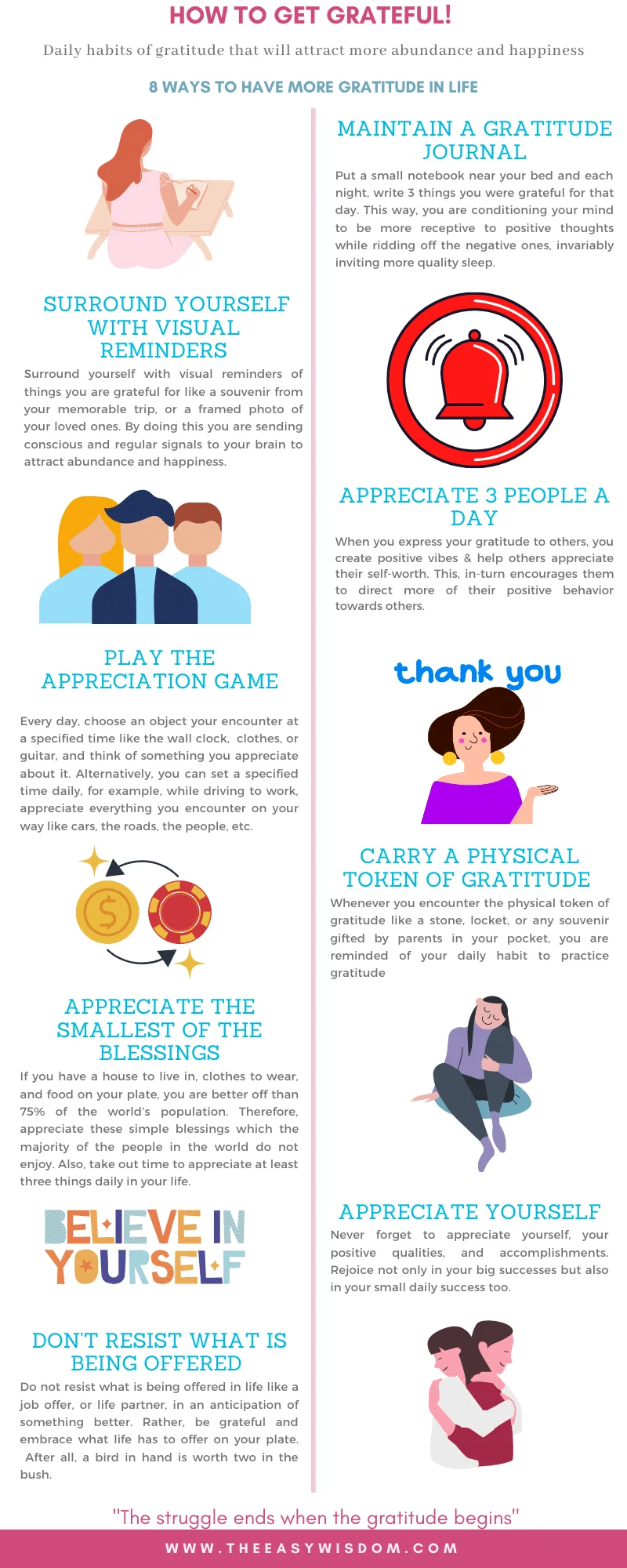
Some people feel most appreciated through tangible gifts. Here, gratitude comes in the form of thoughtful surprises—small tokens that show you understand their tastes and interests. It’s less about expense and more about intention and timing.
Sarah once gave her partner a book by his favorite author after he mentioned wanting to read more. This thoughtful gesture communicated her appreciation in a meaningful way.
Integrating Gratitude into Conflict Resolution
Finding Appreciation During Disagreements
Arguments can easily overshadow appreciation, but actively seeking something positive even during disputes can shift the tone. For example, acknowledging your partner’s effort to express their feelings calmly can defuse tension.
Jacob and Mia practiced pausing during disagreements to highlight one thing they appreciated about each other, which helped prevent escalation and fostered empathy.
Using Gratitude to Rebuild Trust and Understanding
After conflicts, gratitude can work as a powerful tool to rebuild trust. Expressing thanks for your partner’s willingness to work through issues shows respect for their commitment and promotes healing.
This approach turned around a rough patch for Ethan and Nora, reminding them that even in difficulty, their relationship was a space of appreciation and growth.
Quick Takeaways
Daily gratitude fuels connection by making your partner feel seen and appreciated. Starting the day with meaningful messages or shared journals, practicing silent appreciation through acts of service, and ending with reflection creates a full-circle approach. Tailoring gratitude to your partner’s love language ensures it is received deeply. Even during conflicts, finding reasons to be thankful can transform challenges into opportunities for stronger bonds.
Conclusion
Simple gratitude practices are far more than polite habits—they are the lifeblood of thriving relationships. When partners feel valued every day, they cultivate emotional safety, deepen intimacy, and build resilience together. By integrating gratitude into morning routines, daily actions, and evening reflections, and by customizing appreciation to your partner’s preferences, you create a foundation of love that endures through all of life’s ups and downs.