Understanding the Importance of Boundaries in Romantic Relationships
What Are Boundaries and Why Do They Matter?
Boundaries are the invisible lines that define what we are comfortable with in our relationships, emotionally, physically, and mentally. They act as essential guidelines to express our needs and limits. Without clear boundaries, it becomes challenging to maintain a sense of individuality and respect within a partnership. For women, especially, setting boundaries is a crucial act of self-care and self-respect that fosters healthier interactions.

The Role of Boundaries in Healthy Relationships
Healthy boundaries create a safe space where both partners can express themselves openly without fear of judgment or resentment. When boundaries are understood and respected, it prevents misunderstandings and build mutual trust. They encourage balanced emotional investment and make it easier to navigate conflicts productively. Ultimately, boundaries empower women to nurture their well-being while maintaining a loving connection.
Common Challenges Women Face When Setting Boundaries
Social Conditioning and Guilt
Many women grow up with social expectations that prioritize nurturing and accommodating others over asserting their own needs. This conditioning can trigger deep feelings of guilt when they attempt to set boundaries, as it may feel like they are being selfish or unkind. Recognizing this internalized guilt is the first step toward overcoming it and embracing boundaries as a healthy necessity rather than a burden.
Fear of Conflict and Rejection
Another significant challenge is the fear that setting boundaries will provoke conflict or lead to rejection by a romantic partner. The desire to maintain harmony often pushes women to compromise on their limits, sacrificing their comfort to avoid uncomfortable conversations. Understanding that conflict can be a pathway to growth rather than a sign of failure helps in shifting perspective toward healthy assertion.
Steps to Set Clear Boundaries Without Feeling Guilty
Identify Your Personal Limits and Needs
Before communicating boundaries, it’s important to take time for self-reflection. Consider what makes you feel respected and safe, as well as what causes discomfort or stress. This can include time alone, emotional topics you find sensitive, or physical space requirements. Clarifying your limits internally makes it easier to define and communicate them clearly to your partner.
Communicate Boundaries Assertively and Kindly
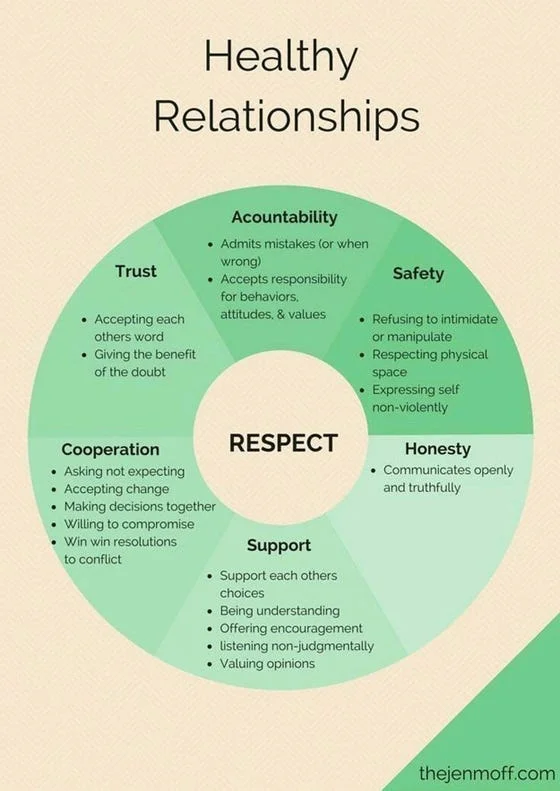
When expressing boundaries, use clear and direct language while maintaining a compassionate tone. Instead of framing your needs as demands, present them as your personal feelings and preferences. For example, say, “I feel overwhelmed when plans change last minute, so I’d appreciate advance notice.” This approach reduces defensiveness and invites understanding rather than conflict.
Practice Saying No Without Explanation
Getting comfortable with simply saying no is a powerful skill that protects your time and emotional energy. You don’t always owe an explanation or justification for your boundaries. Saying “No, I can’t do that today” is enough. Practicing this helps diminish guilt and emphatically reinforces your right to self-advocacy.
Maintaining Boundaries Over Time
Recognizing When Boundaries Are Being Tested
Even after setting clear boundaries, partners—and ourselves—may sometimes push limits unconsciously or intentionally. It’s important to remain attuned to feelings of discomfort, resentment, or fatigue, which often signal that a boundary is being crossed. Staying aware allows you to address these issues promptly before they undermine the relationship’s health.
How to Reinforce Boundaries Calmly
If a boundary is challenged, respond calmly and firmly. Avoid raising your voice or reacting impulsively, as this could escalate tension. Instead, remind your partner gently but clearly about your limit and why it matters to you. Consistent reinforcement through patience and kindness supports mutual respect and encourages shared responsibility in honoring boundaries.
Self-Care and Emotional Support
Dealing with Guilt and Internal Resistance
It’s common to experience internal resistance when enforcing boundaries, especially if guilt arises from years of conditioned behavior. Engage in self-compassion practices and remind yourself that prioritizing your well-being benefits both you and your relationship. Journaling your feelings or seeking therapy can also help unpack guilt and rebuild confidence in your decisions.
Building Confidence Through Support Networks
Surrounding yourself with friends, family, or communities that validate your needs strengthens your boundary-setting process. Sharing experiences with others who understand your journey reduces feelings of isolation and offers encouragement. Support networks act as an emotional safety net that boosts your confidence to maintain healthy boundaries.
Signs of a Relationship That Respects Boundaries
Healthy Responses from Partners
A partner who respects boundaries listens attentively, refrains from pressuring or guilt-tripping, and adjusts their behavior accordingly. They recognize your needs as valid and work collaboratively to find solutions that honor both your comfort and the relationship’s well-being. This dynamic creates a foundation of mutual trust and open communication.
Mutual Respect and Growth
When boundaries are honored, both individuals grow emotionally and personally. Respecting each other’s limits fosters empathy and patience, leading to deeper intimacy and connection. It underscores that loving relationships are not about control but about understanding and supporting each other’s autonomy.