Understanding the Foundations of Trust and Transparency
Defining Trust in Long-Term Relationships
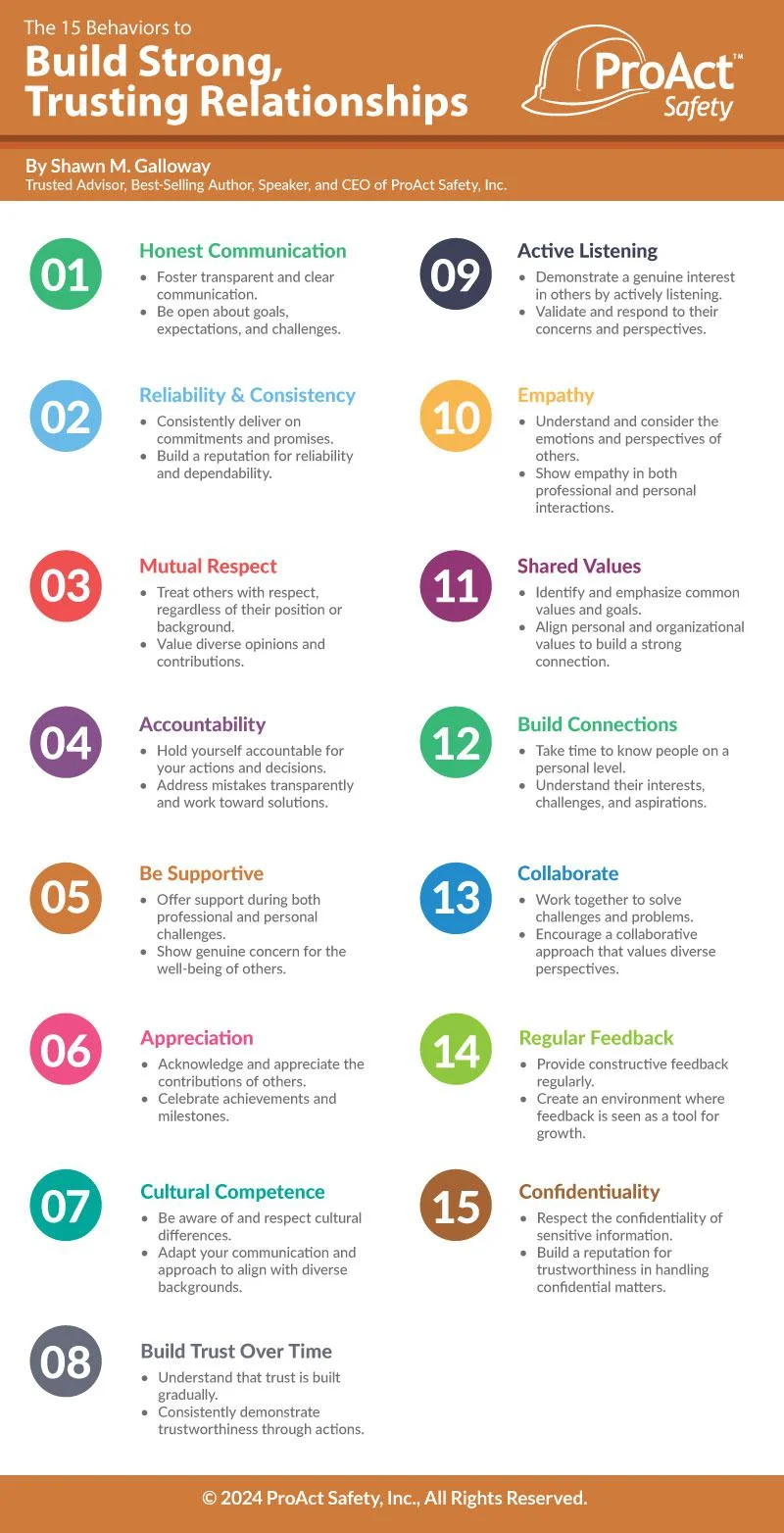
Trust forms the cornerstone of any long-term relationship, acting as the glue that holds partners together through life’s ups and downs. Without trust, doubt and insecurity creep in, causing distance and misunderstandings. But what exactly is trust? It is the confident belief that your partner will act with your best interests at heart, honoring commitments and remaining reliable even when circumstances challenge you both. Trust is not built overnight; it develops gradually through consistent behavior, honesty, and emotional availability.
The Role of Transparency in Emotional Connection
Transparency goes hand in hand with trust but focuses more on openness and clarity in sharing thoughts, feelings, and intentions. When partners are transparent, they reduce ambiguity and prevent hidden agendas that can erode trust. Transparency encourages vulnerability, allowing couples to connect emotionally on a deeper level. This honesty creates a safe environment where difficult topics can be addressed without fear, strengthening intimacy and mutual understanding.
Daily Communication Strategies to Foster Openness
Active Listening Techniques
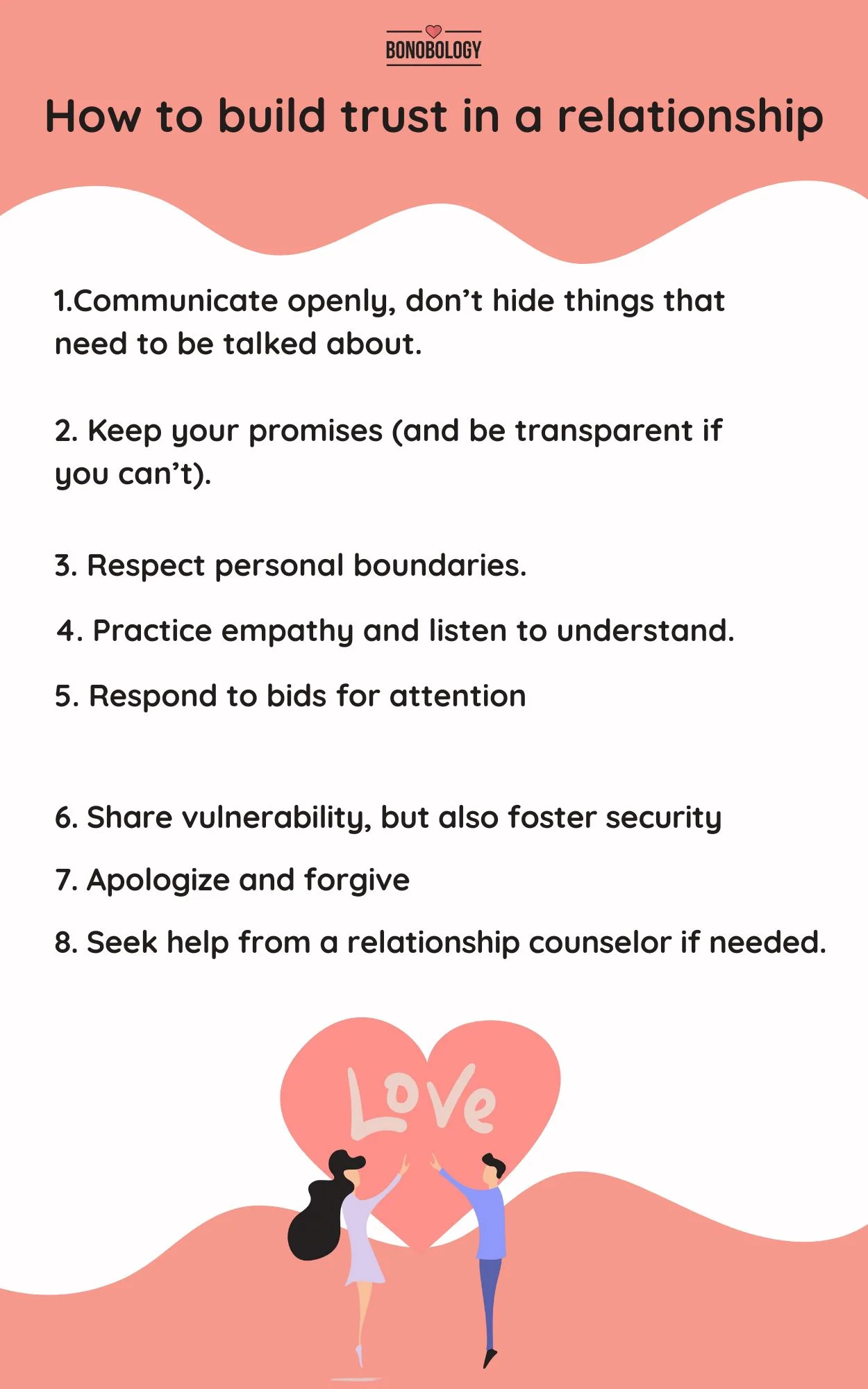
One common barrier to trust is feeling unheard or dismissed by a partner. Active listening addresses this problem by ensuring that each person feels truly valued. The cause of breakdowns here often lies in distractions or assumptions made during conversations. Practicing active listening means giving your full attention, reflecting back what you hear, and asking clarifying questions before responding. These techniques confirm that you understand your partner’s perspective fully and demonstrate respect, which nurtures openness and trust.
Expressing Feelings Honestly Without Judgment
Many couples struggle to share their true emotions out of fear of judgment or rejection. When feelings are hidden or twisted, resentment can accumulate. The root cause is often a lack of emotional safety, where partners fear being misunderstood or criticized. The solution is to cultivate a communication style that encourages honest expression without blame. Using “I” statements and focusing on your own experiences rather than accusations helps create a judgment-free space. This daily habit reduces misunderstandings and builds a foundation for authentic dialogue.
Practical Habits That Strengthen Relationship Integrity
Consistency in Actions and Words
Inconsistency between what is said and what is done is a major trust breaker. When promises aren’t kept or behavior shifts unpredictably, doubts arise about your partner’s reliability. The cause here often lies in neglect or lack of awareness about how actions impact emotional security. Building trust requires consciously aligning your words with your actions every day. This means following through on commitments, being punctual, and showing up emotionally. Consistency shows respect and signals that the relationship is a priority.
Sharing Daily Experiences and Thoughts
When couples stop sharing the small details of their day, emotional distance can grow subtly yet significantly. The cause is usually busy schedules or fatigue that make deeper conversations seem less urgent. However, neglecting this daily sharing reduces transparency and weakens connection over time. Making it a habit to talk about your experiences, thoughts, and reflections—even the mundane ones—helps keep the emotional channels open. This ongoing exchange reinforces mutual presence and nurtures intimacy.
The Impact of Accountability and Apologies
Owning Mistakes and Learning from Them
Everyone makes mistakes, but failing to acknowledge them can cause trust to fracture. Avoidance or defensiveness when confronted with errors often stems from fear of conflict or shame. However, consistently denying responsibility leads to accumulated grievances and broken trust. Taking accountability involves recognizing when you are wrong, apologizing sincerely, and demonstrating willingness to change. This behavior shows maturity and commitment to the relationship’s health, encouraging your partner to do the same.
How Apologies Build Deeper Respect
The problem many couples face is that apologies can come across as insincere or insufficient, which fails to repair damage. This often happens when apologies are rushed, vague, or coupled with excuses. A meaningful apology conveys genuine remorse and includes an explanation of what will be done differently moving forward. When done properly, apologies renew respect and signal that both partners value the emotional bond enough to mend breaches. They transform conflict into opportunities for growth and trust reinforcement.
Creating Rituals to Reinforce Trust Every Day
Morning and Evening Check-Ins
Daily check-ins can feel time-consuming or unnecessary, but skipping them may unintentionally create emotional gaps. These rituals prevent assumptions and foster continuous alignment with your partner’s feelings and needs. Morning check-ins set intentions for the day and provide a moment to express support before distractions arise. Evening check-ins allow you to reflect on the day’s events and resolve any lingering issues. Establishing these rituals promotes transparency and shows that both partners are engaged and attentive to the relationship’s well-being.
Regular Honest Feedback Sessions
Feedback can be difficult to give and receive, often avoided to prevent conflict. Ignoring this tendency can allow small problems to grow into bigger breaches of trust. The cause is often anxiety about hurting feelings or causing arguments. Creating scheduled times for honest feedback allows both partners to share concerns in a safe and structured manner. These sessions encourage openness and prevent frustration from building in silence. When handled with care, regular feedback promotes continuous improvement and lasting transparency.