Understanding Active Listening in Romantic Relationships
Definition and Importance of Active Listening
Active listening is a communication skill that involves fully focusing, understanding, responding, and remembering what your partner is saying. Unlike passive hearing, active listening requires intentional effort to engage with your partner’s message both verbally and emotionally. In romantic relationships, this skill is crucial because it fosters empathy, reduces misunderstandings, and creates a foundation of mutual respect. When couples practice active listening, they signal that their partner’s thoughts and feelings matter deeply, which strengthens emotional bonds and helps resolve conflicts effectively.
Common Communication Pitfalls in Arguments
Arguments in romantic relationships often escalate because partners fall into unproductive communication habits. Interrupting, jumping to conclusions, or preparing responses while the other person is speaking can dismantle trust and increase frustration. Additionally, assumptions and emotional reactivity cloud the clarity needed for resolution. These pitfalls stem from a lack of engagement and empathy, making it difficult to truly hear and understand each other’s perspectives. Without addressing these tendencies, conflicts can remain unresolved, causing resentment and emotional distance.
Core Active Listening Techniques for Couples
Paying Full Attention Without Interrupting
One of the biggest hurdles in arguments is staying present without interrupting. Often, the desire to defend oneself or correct the partner leads to talking over them. This behavior cuts off genuine communication and fuels anger. Active listening demands that partners resist these impulses, allowing the speaker to express their thoughts fully. Quietly focusing on the speaker, avoiding distractions like phones or TV, and mentally summarizing what is said help demonstrate respect and care. This attentive presence is the first step toward calming tense exchanges.
Reflecting and Paraphrasing Your Partner’s Words
Reflecting involves repeating back what your partner has said in your own words. This technique confirms that you’ve understood their message and encourages them to feel heard. Paraphrasing allows for clarifying any ambiguities and shows empathy by acknowledging their emotions. For example, “It sounds like you’re feeling overwhelmed because I’ve been working late. Is that right?” Such statements validate feelings and prevent assumptions from distorting the conversation. This simple act can defuse defensiveness and improve understanding dramatically.
Using Nonverbal Cues to Show Engagement
Words alone are not enough to convey full attention. Nonverbal behaviors such as maintaining eye contact, nodding, leaning slightly forward, and an open posture signal that you are engaged and receptive. These gestures reassure your partner that their concerns are taken seriously. Conversely, crossed arms, distracted glances, or looking away can imply disinterest or judgment, intensifying conflict. Being mindful of your body language complements verbal active listening, making communication more effective and sincere.
Step-by-Step Guide to Applying Active Listening During Conflicts
Creating a Safe Space for Honest Expression
Arguments often escalate when partners feel judged or attacked. Establishing a safe environment encourages open and honest dialogue without fear of criticism. This can be achieved by agreeing to take turns speaking and avoiding blame or personal insults. Using “I” statements instead of “you” accusations helps keep the focus on feelings rather than faults. Ensuring both partners are calm before beginning difficult conversations sets the tone for constructive listening and mutual respect.
Identifying Emotional Triggers and Responding Calmly
During conflicts, emotions can run high and trigger defensive reactions. Recognizing your own and your partner’s triggers allows you to pause before responding impulsively. Active listening encourages stepping back to acknowledge feelings without judgment, such as saying, “I see that this topic really upsets you.” Responding with calmness instead of anger breaks the cycle of escalation. This mindful approach helps both partners stay connected, even amidst disagreement.
Clarifying Misunderstandings Through Questions
Misunderstandings often fuel prolonged arguments. Asking gentle, open-ended questions can clarify ambiguous points and prevent assumptions. For instance, “Can you explain what you meant by that?” or “How did that make you feel?” invites your partner to elaborate and deepens your understanding. This curiosity demonstrates genuine interest in their perspective, which can transform conflict into collaborative problem-solving rather than adversarial debate.
Benefits of Mastering Active Listening in Relationships
Building Trust and Emotional Intimacy
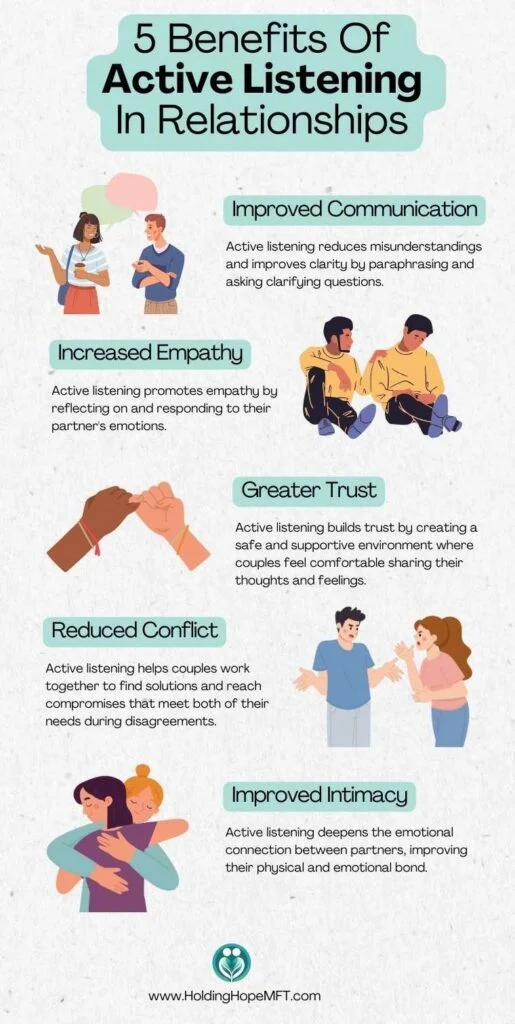
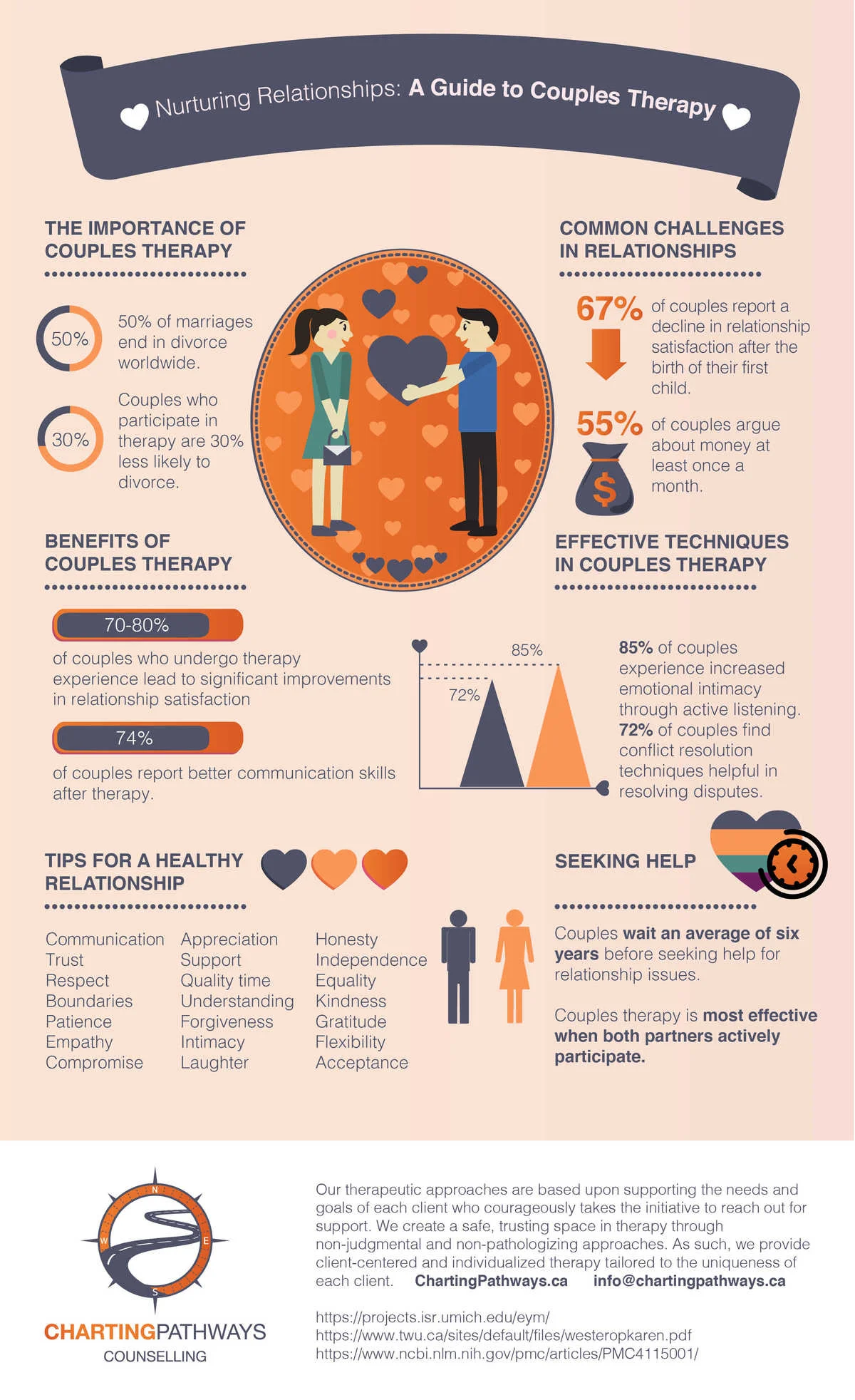
When couples consistently practice active listening, trust naturally grows. Partners feel safe sharing vulnerable thoughts and emotions, knowing they will be met with attention and empathy. This openness expands emotional intimacy, fostering a deeper connection beyond surface-level interaction. Such intimacy not only strengthens the relationship during calm times but also provides a secure base from which to tackle challenges together.
Reducing Recurring Arguments and Miscommunications
Many relationship conflicts repeat because couples miss the real issues underneath the surface. Active listening helps uncover core concerns by encouraging thoughtful dialogue rather than reactive exchanges. With clearer understanding, couples can address problems at their root and find mutually satisfying solutions. Over time, this reduces the frequency and intensity of arguments, creating a healthier dynamic where both partners feel valued and heard.
Common Challenges and How to Overcome Them
Dealing with Defensive or Shut Down Partners
Sometimes, one partner may react defensively or withdraw during conflicts, making active listening more difficult. This behavior often stems from fear of being hurt or misunderstood. Overcoming it requires patience and reassurance. Instead of pushing for immediate conversation, recognize their need for space and gently encourage dialogue when they’re ready. Expressing unconditional support and avoiding blame can create a safer atmosphere for them to open up gradually.
Maintaining Patience When Emotions Run High
Active listening can be challenging when emotions escalate. Frustration or hurt may tempt partners to tune out or respond harshly. Maintaining patience in these moments is essential. Taking deep breaths, silently counting to ten, or temporarily pausing the discussion helps manage emotional intensity. Remembering the goal of understanding rather than winning the argument can motivate continued empathy and calm engagement, even during difficult exchanges.
Tools and Exercises to Practice Active Listening Together
Role-Playing Scenarios for Skill Enhancement
Couples can improve active listening skills by practicing with role-playing exercises. Taking turns to express concerns while the other listens attentively and reflects back fosters empathy and communication habits. These controlled settings allow partners to experiment with different techniques without the pressure of real conflicts, making it easier to apply them during actual disagreements.
Weekly Check-Ins to Foster Open Communication
Scheduling regular check-ins provides a dedicated time for partners to share feelings and thoughts openly. These conversations, free from distractions, encourage continuous practice of active listening. Making it a routine helps normalize honest communication and prevents grievances from building up, thereby reducing the likelihood of explosive arguments.