Understanding the Importance of Realistic Dating Goals
The Role of Goals in Building Self-Confidence
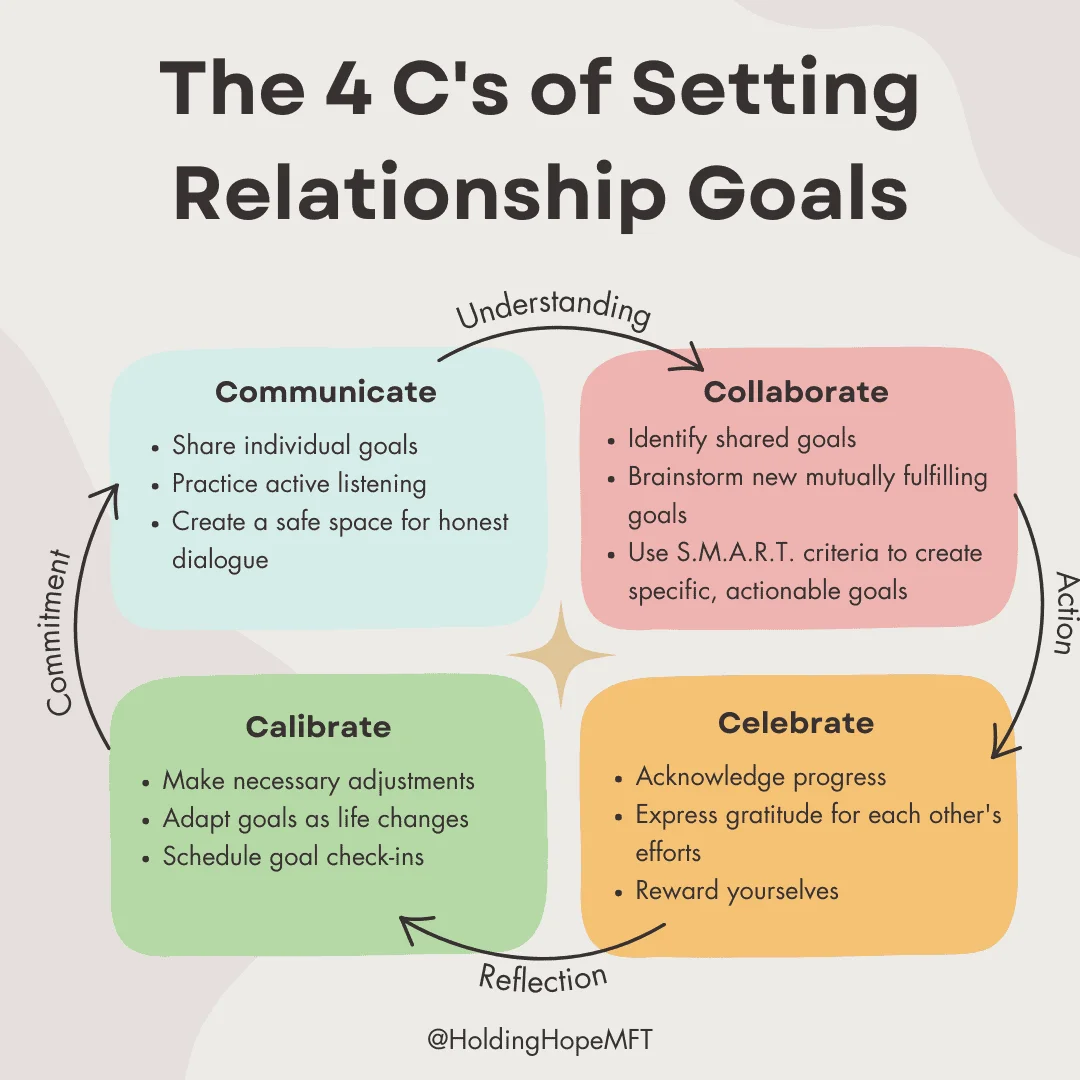
Many people enter the dating world without a clear sense of direction, which often leads to frustration and diminished self-esteem. Setting realistic dating goals acts as a roadmap, helping individuals focus on achievable objectives rather than vague hopes. When goals are clear and attainable, they provide a sense of purpose and foster self-confidence by allowing measurable progress. This positive reinforcement encourages continued effort, reducing anxiety and self-doubt often associated with dating.
How Realistic Goals Impact Dating Success
Dating success is not solely about finding the perfect partner but also about personal growth and meaningful connections. Unrealistic goals, such as expecting instant chemistry or flawless relationships, set people up for disappointment. Conversely, realistic goals allow for gradual improvements and flexibility, making the dating experience more enjoyable. By aligning expectations with reality, individuals increase their chances of forming authentic relationships and developing healthier dating habits.
Assessing Your Current Mindset and Dating History
Identifying Patterns and Previous Challenges
Before setting any goals, it’s essential to take a step back and objectively evaluate your past dating experiences. Are you noticing recurring issues such as rushing into relationships, attracting incompatible partners, or feeling burned out after a few dates? Recognizing these patterns provides valuable insight into what might be holding you back. Without honest self-reflection, there is a risk of repeating the same mistakes that undermine confidence and success.
Recognizing Your Strengths and Areas for Growth
Understanding your positive traits is equally important as acknowledging weaknesses. Perhaps you excel at deep conversations, have a great sense of humor, or possess emotional intelligence. These strengths build a foundation upon which to set goals that leverage your natural abilities. At the same time, identifying areas for improvement—such as communication skills or emotional vulnerability—can help create realistic objectives that foster development without causing overwhelm.
Step-by-Step Guide to Setting Achievable Dating Goals
Defining What “Realistic” Means for You
Realistic goals vary from person to person because everyone’s circumstances and experiences differ. Begin by considering your lifestyle, emotional readiness, and dating expectations. If you tend to be shy, a realistic goal may involve initiating conversations rather than aiming for immediate dates. For someone with a busy schedule, it could mean setting aside specific times to engage in dating activities. Clear understanding of your baseline helps prevent setting goals that are too ambitious or too vague.
Breaking Down Large Goals into Manageable Steps
Large goals like “finding a life partner” can feel daunting and abstract. Breaking them into smaller, actionable steps reduces overwhelm and increases motivation. For example, you might start by updating your dating profile, then aim to message one new person weekly, followed by accepting invitations to casual meetups. Each small achievement builds momentum, making the bigger goals more approachable and realistic.
Incorporating Flexibility and Adjustments
The dating journey often involves unexpected twists, and rigid goals can lead to frustration when things don’t go as planned. Incorporating flexibility means regularly reassessing and adjusting your goals based on current experiences and feelings. If you find yourself stressed by a particular target, it’s okay to scale back or shift focus. Flexibility ensures that your goals remain supportive of your well-being and continue to foster confidence rather than anxiety.
Linking Dating Goals with Self-Improvement
How Personal Growth Enhances Confidence
Dating outcomes are deeply intertwined with how you see yourself. Pursuing personal growth—whether through improving communication, nurturing hobbies, or enhancing emotional health—naturally boosts self-confidence. When you invest in yourself outside of dating, you become more attractive and grounded, which positively impacts your interactions. Setting dating goals that overlap with areas of self-improvement creates synergy, reinforcing success in both realms.
Aligning Dating Goals with Broader Life Objectives
Dating should not exist in isolation but rather align with your broader life goals. For instance, if career advancement or travel are priorities, your dating goals should reflect what fits realistically within your lifestyle. This alignment reduces conflict between personal ambitions and relationship pursuits, ensuring balance. When dating goals support rather than detract from life’s wider objectives, they contribute to overall satisfaction and sustained motivation.
Practical Tips to Maintain Motivation and Track Progress
Using Journals and Apps to Monitor Milestones
Maintaining motivation over the dating journey can be challenging if progress feels invisible. Recording experiences and emotions in a journal or using dating tracking apps helps illuminate gradual improvements and lessons learned. These tools offer a structured way to reflect on what is working and what needs adjustment, preventing discouragement and encouraging persistence.
Celebrating Small Wins to Boost Morale
Often, people overlook small victories such as initiating a conversation or receiving a genuine compliment. Recognizing and celebrating these moments fuels morale and builds positive associations with dating efforts. This practice reinforces confidence and encourages you to keep setting achievable goals, reinforcing a healthy and optimistic mindset.
Common Mistakes to Avoid When Setting Dating Goals
Unrealistic Expectations That Hurt Confidence
A common pitfall is setting overly ambitious or idealistic goals, such as expecting to meet the perfect match within a week or demanding flawless interactions. These expectations can cause repeated disappointments and damage self-esteem. Being realistic means acknowledging that dating is a process filled with trial, error, and learning.
Neglecting Emotional Well-Being
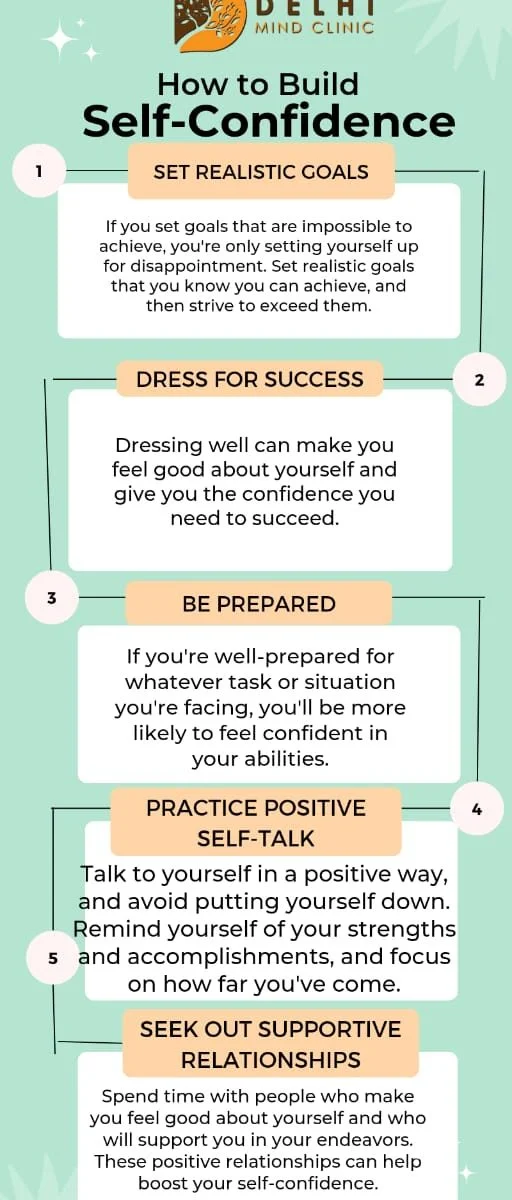
Sometimes, goals focus too heavily on external outcomes like the number of dates or matches, neglecting emotional health. This can lead to burnout, anxiety, or lowered self-worth. It’s crucial to set goals that include self-care and emotional reflection, ensuring your well-being remains a priority throughout the dating process.
Success Stories: Real-Life Examples of Goal-Oriented Dating
Case Studies Illustrating Growth and Results
Consider Sarah, who struggled with dating rejection and low confidence. By setting specific goals like initiating one conversation per week and attending social events, she gradually built her confidence and attracted compatible partners. Within six months, Sarah reported feeling more comfortable in dating settings and forming meaningful connections.
Lessons Learned from Setbacks
Conversely, John’s experience highlights the importance of flexibility. Initially, he set rigid goals around dating frequency, which led to frustration when his work schedule interfered. After adjusting his goals to focus more on quality interactions rather than quantity, John regained motivation and improved his dating experiences, demonstrating how setbacks can serve as valuable learning opportunities.