Understanding Gratitude Journaling and Its Impact on Wellness
The Psychological Benefits of Practicing Gratitude
Gratitude journaling involves consciously recognizing and recording moments, experiences, or people to be thankful for. This simple practice can have profound psychological benefits. When you regularly focus on positive aspects of life, it encourages a shift in perspective away from negativity or stress. This shift not only enhances mood but also fosters resilience, helping individuals better cope with challenges. Over time, gratitude journaling can cultivate a more optimistic outlook, increase feelings of happiness, and reduce feelings of envy or frustration.
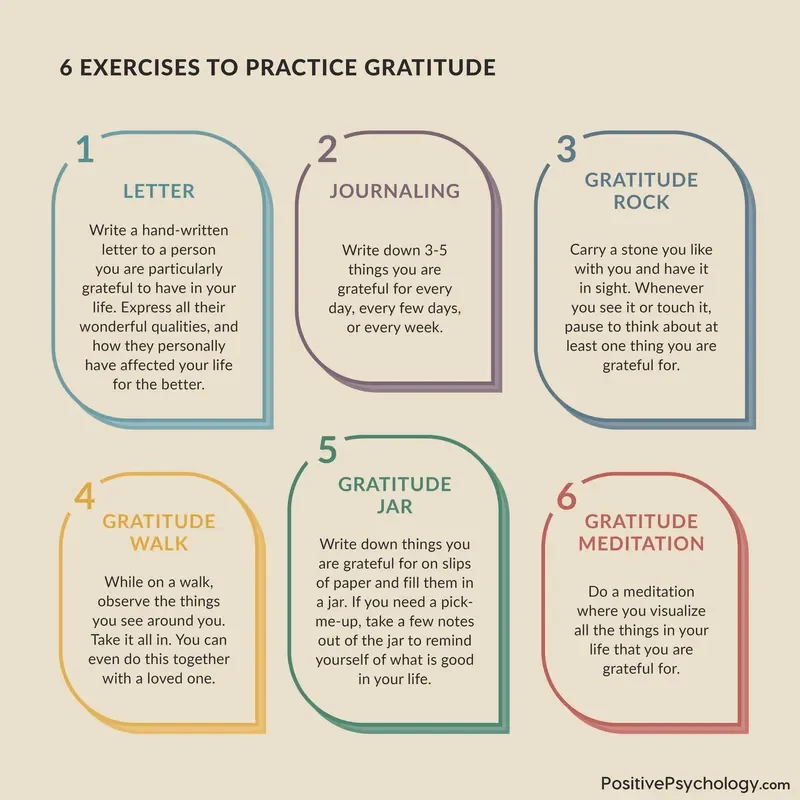
How Journaling Enhances Mental Health
Beyond the positive mindset it promotes, journaling itself serves as a therapeutic outlet. Writing down thoughts and emotions allows for greater self-awareness and emotional processing. This can lessen anxiety levels by providing clarity and helping organize tangled thoughts. Gratitude journaling, in particular, anchors the mind on positive experiences, creating a habit of reflection that reinforces mental wellness. The repetitive nature of journaling also promotes mindfulness, increasing present-moment awareness, which is beneficial for reducing stress and enhancing emotional balance.
Getting Started with Gratitude Journaling
Choosing the Right Journal and Tools
Starting a gratitude journal begins with selecting a medium that encourages regular use. Some people prefer a physical notebook because the tactile experience of writing can enhance engagement. Others might opt for digital tools or apps that provide convenience and easy accessibility. Important considerations include the journal size, paper quality, and portability. Selecting tools that feel inviting and comfortable can increase consistency, which is crucial for reaping long-term wellness benefits.
Simple Prompts to Kickstart Your Practice
For those new to gratitude journaling, figuring out what to write can be a hurdle. Using prompts can smooth the initial process and stimulate reflection. Starting with questions like “What made me smile today?” or “Who am I grateful for and why?” helps direct focus. Additionally, noting even small daily occurrences such as the warmth of morning sunlight or a friendly conversation can make journaling less daunting and more enjoyable. Over time, prompts help build a habit and deepen the awareness of gratitude in everyday life.
Integrating Gratitude Journaling Into Busy Schedules
Morning vs. Evening Routine: Finding Your Best Time
One challenge when adopting a new habit is choosing the optimal time to practice it. Some find morning journaling a positive way to start the day with intention and positivity. This can set a hopeful tone and prepare the mind for upcoming challenges. Others may prefer evenings when they can reflect on the day’s events and appreciate specific moments as they unwind. Experimenting with both times can help identify what feels most natural and sustainable in individual routines.
Combining Gratitude Journaling with Meditation or Mindfulness
Pairing gratitude journaling with mindfulness or meditation practices can amplify its effects. After a meditation session focused on breathing or body awareness, journaling can capture the calm and clarity achieved. This combination helps deepen gratitude by aligning emotional relaxation with conscious reflection. It also encourages a more immersive experience, making the practice more holistic and enhancing overall wellness benefits.
Creative Techniques to Keep Gratitude Journaling Engaging
Using Visuals and Collages Alongside Writing
To prevent journaling from becoming repetitive or monotonous, incorporating creative elements can be very effective. Adding visuals such as photos, sketches, or collages alongside written entries brings another dimension to the practice. Visual reminders of gratitude can evoke emotions and memories just as powerfully as words. This approach can also make journaling more enjoyable and serve as a personalized, meaningful keepsake of positive experiences.
Incorporating Quotes and Affirmations
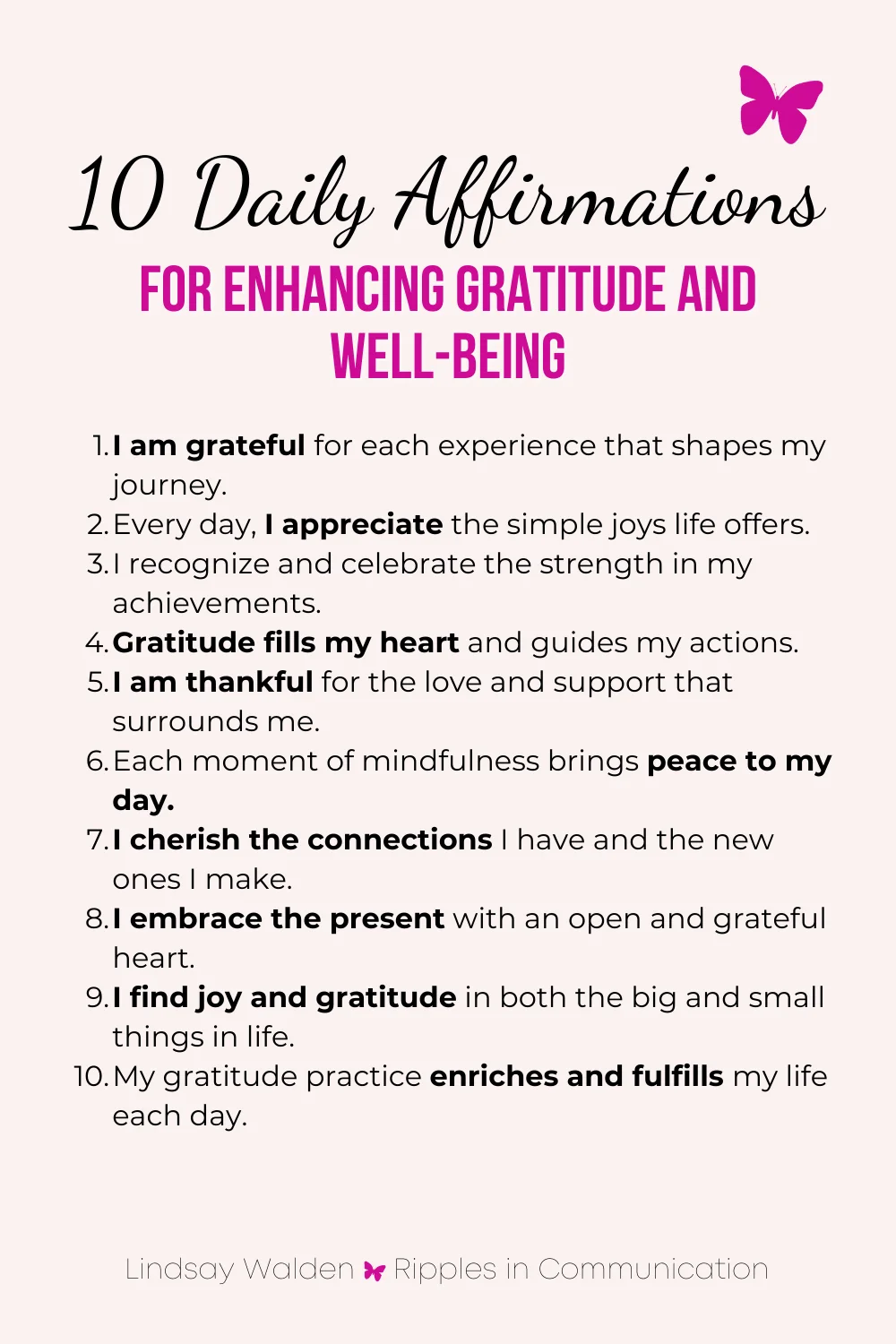
Another way to enhance engagement is to include quotes or affirmations related to gratitude and well-being. Inspirational quotes can motivate continued journaling during moments of low enthusiasm, while affirmations help reinforce positive thinking patterns. Selecting quotations that resonate personally can deepen the emotional connection to the practice, serving as gentle reminders of gratitude’s importance in daily life.
Measuring the Impact: Tracking Progress and Benefits
Reflecting on Emotional and Physical Changes Over Time
As gratitude journaling becomes a consistent part of wellness routines, taking time to look back at previous entries can reveal meaningful changes. Noticing shifts in emotional states, such as increased calmness or positivity, is encouraging and can reinforce the habit. Some also observe improvements in physical well-being, including better sleep or reduced stress symptoms, linked to the mental benefits of gratitude. Periodic reflection supports awareness of growth and motivates ongoing commitment.
Sharing Your Journey: Building a Community or Accountability Partner
Sharing the experience of gratitude journaling with others can enhance its impact. Whether through friends, family, or online groups, having a community or accountability partner offers support and encouragement. Discussing insights or challenges creates a sense of connection and shared purpose. Additionally, hearing different perspectives may introduce new ideas and enrich the practice, making it both more enjoyable and sustainable.