Understanding the Impact of Heat Styling on Hair Health
How Heat Affects Hair Structure
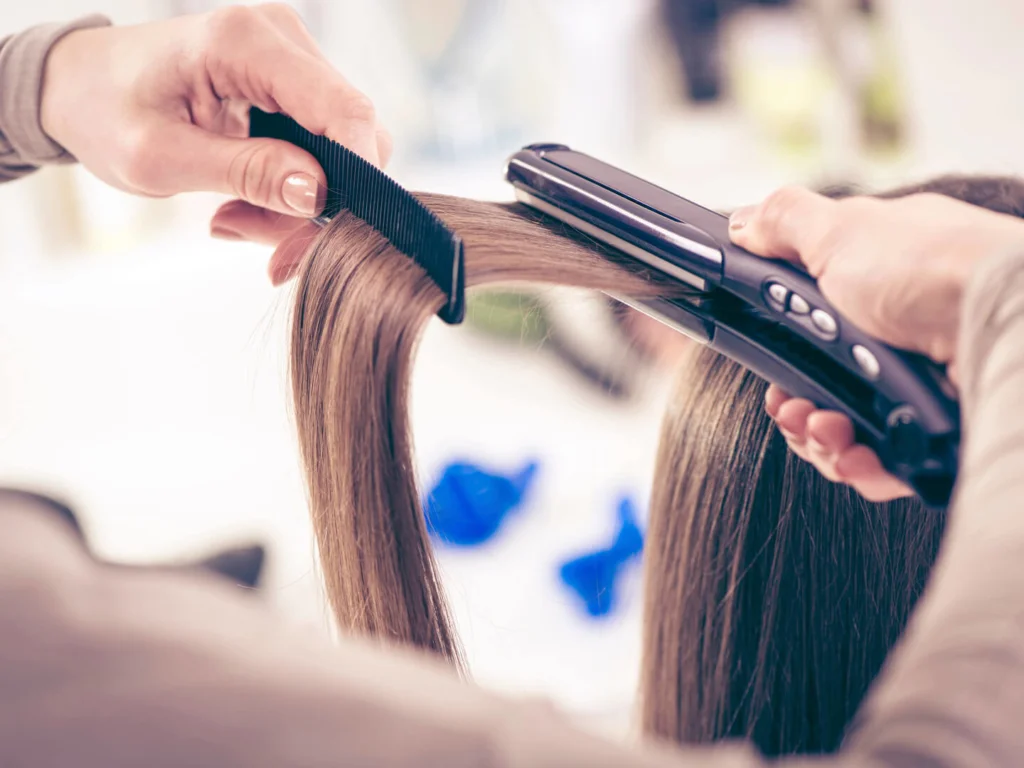
Heat styling tools like flat irons, curling wands, and blow dryers have become essential in many hair care routines for achieving sleek, styled looks. However, excessive or improper use of heat alters the very structure of hair strands. Hair is primarily composed of keratin, a protein arranged in tightly bound layers that provide strength and elasticity. When heat is applied, these keratin bonds temporarily break down, allowing hair to be shaped or curled. While this process might create the desired style, repeated exposure weakens the hair shaft, causing it to lose resilience over time.
The Science Behind Hair Damage
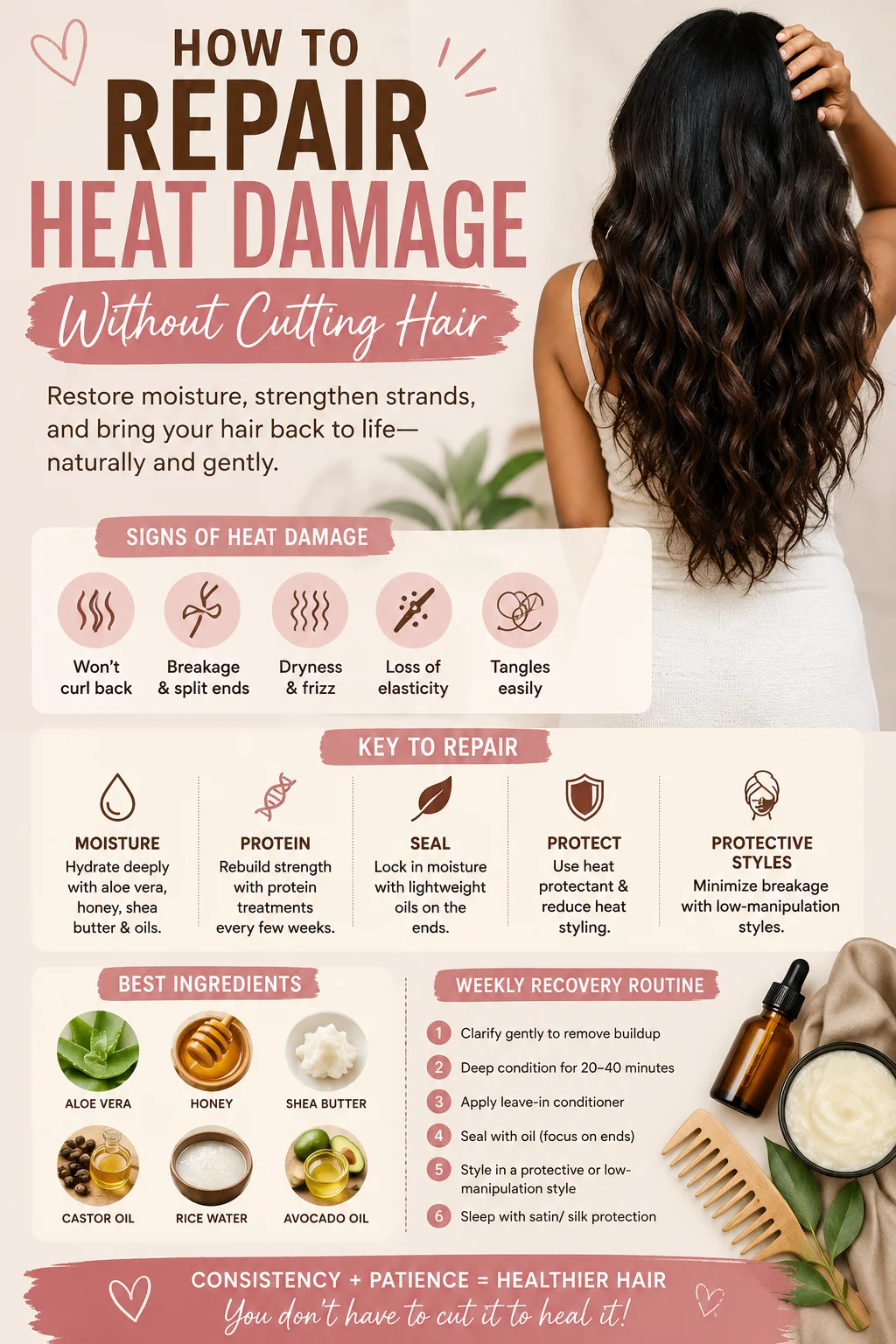
Heat styling damages hair by stripping away moisture and disrupting the cuticle—the protective outer layer of each strand. Elevated temperatures can cause the cuticle to lift, leaving the cortex vulnerable to environmental stressors. As moisture evaporates, hair becomes dry and brittle, prone to breakage and split ends. The repeated breaking of internal disulfide bonds can permanently weaken the hair, resulting in rough texture and a dull appearance. Understanding this damage process highlights why cautious heat styling is essential for maintaining healthy hair.
Top Heat Styling Mistakes to Avoid
Skipping Heat Protectant Products
One common but critical mistake is styling hair without a heat protectant. Many people underestimate the value of these products that act as a barrier, reducing direct heat contact. Without protection, the hair cuticle is exposed to intense temperatures, accelerating moisture loss and structural damage. Neglecting this step sets the stage for dryness and brittleness, which can become irreversible if ignored over time.
Using Excessive Heat Settings
Another frequent error involves using styling tools at their maximum temperature. While higher heat might create faster or more dramatic results, it also raises the risk of severe damage. Hair types vary widely; for instance, fine or chemically treated hair requires lower temperatures to prevent injury. Using unnecessarily high heat breaks down hair proteins faster, leading to dryness and breakage. The cause often lies in the assumption that hotter always means better styling, which is not true.
Frequent Daily Styling Without Breaks
Daily exposure to heat disrupts hair’s natural repair and hydration cycles. Hair needs time between styling sessions to restore moisture and rebuild strength. Styling every day removes this recovery window, gradually degrading the hair’s condition. Many users do not realize the cumulative effect of frequent heat application, which, over weeks or months, results in fragile, lackluster hair that snaps easily.
Styling on Wet Hair
Styling tools should never be used on wet or damp hair unless specifically designed for it. Wet hair is more elastic and vulnerable, so direct heat can cause it to weaken and break more easily. This mistake often occurs from impatience or lack of awareness, but it significantly increases the likelihood of brittle ends and split strands. Proper drying before styling is crucial to maintaining hair integrity.
Signs Your Hair Is Suffering from Heat Damage
Recognizing Dryness and Brittleness
One of the earliest signs of heat damage is hair that feels unusually dry and stiff. Unlike healthy hair, which is supple and smooth, damaged hair tends to lack moisture and flexibility. This brittleness can cause strands to snap during brushing or styling, making tangling more frequent and difficult to manage.
Identifying Split Ends and Breakage
Split ends and breakage are clear visible indicators that heat styling has gone too far. The cuticle becomes compromised, allowing strands to split at the ends or break mid-shaft. This often leads to an uneven texture and can make hair appear thin or frizzy. Persistent breakage signals that hair needs immediate intervention to prevent further damage.
Preventive Measures and Best Practices
Choosing the Right Tools and Temperatures
Preventing heat damage starts with selecting quality tools equipped with adjustable temperature controls. Ceramic or tourmaline plates distribute heat more evenly, reducing hot spots that cause damage. Tailoring the heat setting to your hair type—lower for fine or colored hair, moderate for thicker hair—minimizes the risk. Using the right tool at an appropriate temperature keeps styling effective yet safe.
Step-by-Step Heat Styling Routine for Healthy Hair
A smart heat styling routine involves several deliberate steps. Begin by applying a heat protectant spray or serum evenly on dry hair to shield roots and lengths. Use a blow dryer with a nozzle attachment to focus airflow and avoid excessively high heat. When using irons or wands, section hair for controlled passes and avoid staying too long on one area. Limiting styling sessions to a few times a week allows hair to recover and maintain its natural moisture balance.
Hydrating Treatments and Regular Maintenance
Incorporating hydrators and strengthening treatments into your hair care regimen can counteract damage caused by heat. Deep conditioning masks restore lost moisture, while protein treatments rebuild hair strength. Regular trims prevent split ends from traveling up the hair shaft. Consistent maintenance nurtures hair back to health and improves its resilience against future heat exposure.
Conclusion: Achieving Healthy Hair with Smart Heat Styling
Heat styling is a powerful tool for achieving versatile looks but can lead to serious hair damage if misused. Understanding how heat affects hair structure and recognizing common mistakes helps prevent dryness, brittleness, and breakage. By choosing the right tools, protecting hair with proper products, and adopting thoughtful styling habits, it is possible to enjoy beautiful styles without sacrificing hair health. Prioritizing care and maintenance ensures your hair remains vibrant, strong, and ready for any heat styling adventure.