Understanding the Importance of an Evening Ritual
How Evening Habits Affect Sleep Quality
Evening habits play a crucial role in shaping the quality of your sleep. The way you spend the final hours before bedtime sets the tone for your body and mind, signaling whether it’s time to stay alert or begin winding down. Activities like watching intense television shows, checking work emails, or engaging in stimulating conversations can disrupt this natural transition and make falling asleep more challenging. Establishing a calm and predictable evening routine helps your body recognize when it’s time to prepare for rest, promoting a smoother and more restorative sleep experience.

The Science Behind Relaxation and Sleep
The process of falling asleep is deeply connected to physiological and psychological relaxation. When you engage in calming activities, your nervous system gradually shifts from a state of alertness to one dominated by parasympathetic activity—the body’s rest and digest mode. This shift lowers heart rate, reduces breathing rate, and decreases stress hormones, all of which are conducive to drifting into deep sleep. Understanding this connection helps emphasize the importance of intentional relaxation through an evening ritual that supports this natural rhythm.
Key Elements of a Soothing Evening Routine
Environment: Setting the Perfect Ambiance
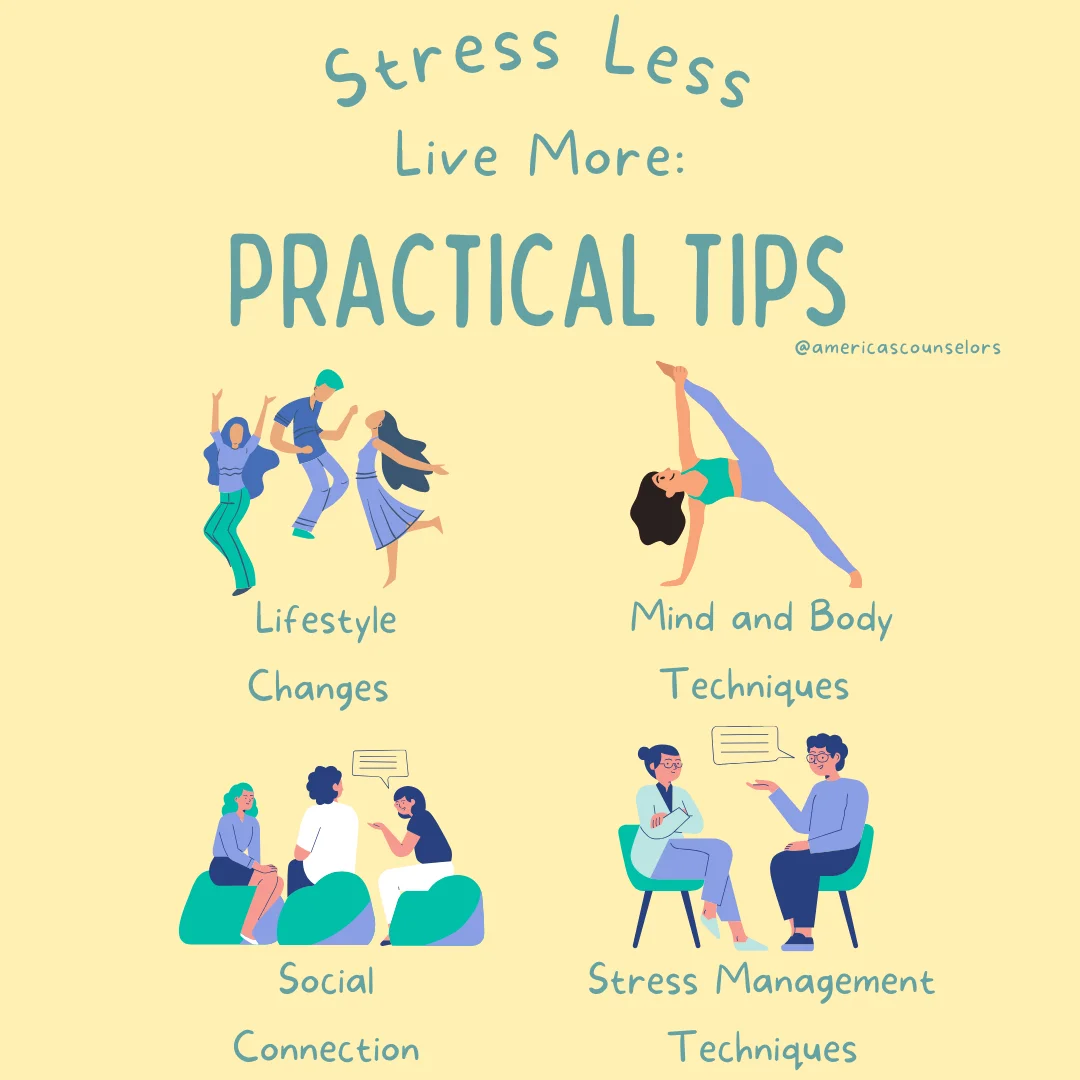
The physical setting where you prepare for sleep can significantly impact your ability to relax. A cluttered or brightly lit room may stimulate your senses instead of calming them. Creating a soothing environment includes dimming lights, minimizing noise, and incorporating comforting textures in your bedroom. Soft bedding, gentle scents such as lavender, and a cool, comfortable room temperature also contribute to an atmosphere that invites restfulness.
Mindset: Transitioning from Day to Night
Shifting your mental focus away from daily stressors is essential to prepare for restful sleep. This involves consciously letting go of worries, to-do lists, and responsibilities. Practices such as journaling or reflecting on positive moments from the day can help ease the mind’s transition into a state poised for relaxation. Cultivating a mindset of calm and gratitude sets a beneficial tone that aligns well with the physical aspects of your evening ritual.
Physical Preparation: Activities That Promote Relaxation
Engaging in gentle, calming activities helps signal the body that it’s time to slow down. This might include stretching exercises, a warm bath, or light yoga designed to release tension. Physical preparation also involves slowing down your pace, reducing stimulating actions, and focusing on mindful movements that encourage your muscles and mind to unwind before sleep.
Step-by-Step Evening Ritual for Restful Nights
Wind Down: Techniques to Shut Off the Day’s Stress
Begin your evening ritual by gradually stepping away from stress-inducing tasks. This could mean turning off electronic devices or setting aside work-related thoughts. Try incorporating a quiet activity, such as reading a book or listening to soft music, to further lower stress levels. Taking time to reflect on your day or practice gratitude can also help reduce mental clutter and ease the transition to restfulness.
Lighting: The Role of Dimming and Warm Colors
Lighting is key to supporting your body’s natural sleep-wake cycle. As bedtime approaches, dimming lights in your environment signals to your brain that it’s time to produce melatonin, the hormone responsible for sleep regulation. Favoring warm-colored lights over bright or blue-toned illumination reduces alertness and creates a calming visual atmosphere. This step can be as simple as using lamps with soft bulbs or utilizing smart lighting systems that adjust throughout the evening.
Incorporating Mindfulness and Breathing Exercises
Mindfulness practices and controlled breathing exercises serve as effective tools to deepen relaxation. Start by focusing on slow, intentional breaths that activate the parasympathetic nervous system. This approach quiets the mind and reduces physiological arousal. You might try simple mindfulness techniques, such as paying attention to your breath or observing bodily sensations without judgment. These exercises prepare both mind and body for a peaceful transition to sleep.
Personalizing Your Evening Ritual
How to Identify What Works Best for You
Every individual has unique preferences and responses to different relaxation techniques. Experiment with various activities, environments, and timing to find the combination that best promotes your sense of calm. Keep a journal to track how different elements affect your sleep quality and adjust accordingly. Personalization ensures that your ritual feels natural and sustainable over time rather than forced or disruptive.
Adapting Techniques Based on Lifestyle and Preferences
Your lifestyle, such as work schedule, family demands, and personal interests, plays a role in shaping your evening routine. For example, if you have limited time before bed, focus on quick calming practices like brief breathing exercises or dimming lights earlier in the evening. If you enjoy creative pursuits, integrating activities such as sketching or gentle reading can enhance relaxation. Flexibility and adaptation make your ritual more effective and easier to maintain consistently.
Common Obstacles and How to Overcome Them
Dealing with Restlessness and Anxiety
Feeling restless or anxious can interfere with your ability to wind down, even with a routine in place. When these feelings arise, it’s helpful to acknowledge them without judgment and steer your focus to calming techniques such as deep breathing or progressive muscle relaxation. Incorporating soothing sounds like nature recordings or white noise may also provide a comforting backdrop that alleviates tension and quiets the mind.
Managing Technology Use Before Bedtime
Electronic devices emit blue light and provide engaging content that can disrupt your body’s preparation for sleep. Reducing screen time at least an hour before bedtime helps minimize this interference. If you must use technology, consider blue light filters or nighttime modes. Additionally, setting boundaries around device usage and establishing tech-free zones in your bedroom support healthier sleep habits and reinforce your evening ritual.
Final Tips to Maintain Consistency and Reap Benefits
Building a soothing evening ritual requires patience and commitment. To maintain consistency, try to follow your routine at the same time each night, making it a reliable cue for your body to prepare for sleep. Be gentle with yourself during this process, recognizing that some nights may be easier than others. Over time, as your body and mind become accustomed to this routine, you are more likely to experience improved relaxation and better sleep quality. Staying mindful about the importance of these rituals encourages long-term success and overall well-being.