Introduction to Morning Mindfulness
Understanding Stress and Its Impact Before Work
Waking up to the demands of a busy workday can often trigger a sense of stress that lingers throughout the morning. Many people feel overwhelmed before they even step out the door, carrying tension that impacts their focus and mood. Recognizing how stress builds up prior to starting work is crucial because these early moments set the tone for the entire day. When stress isn’t addressed in the morning, it can snowball, making the workday feel heavier and more draining.
Benefits of Starting Your Day with Mindfulness
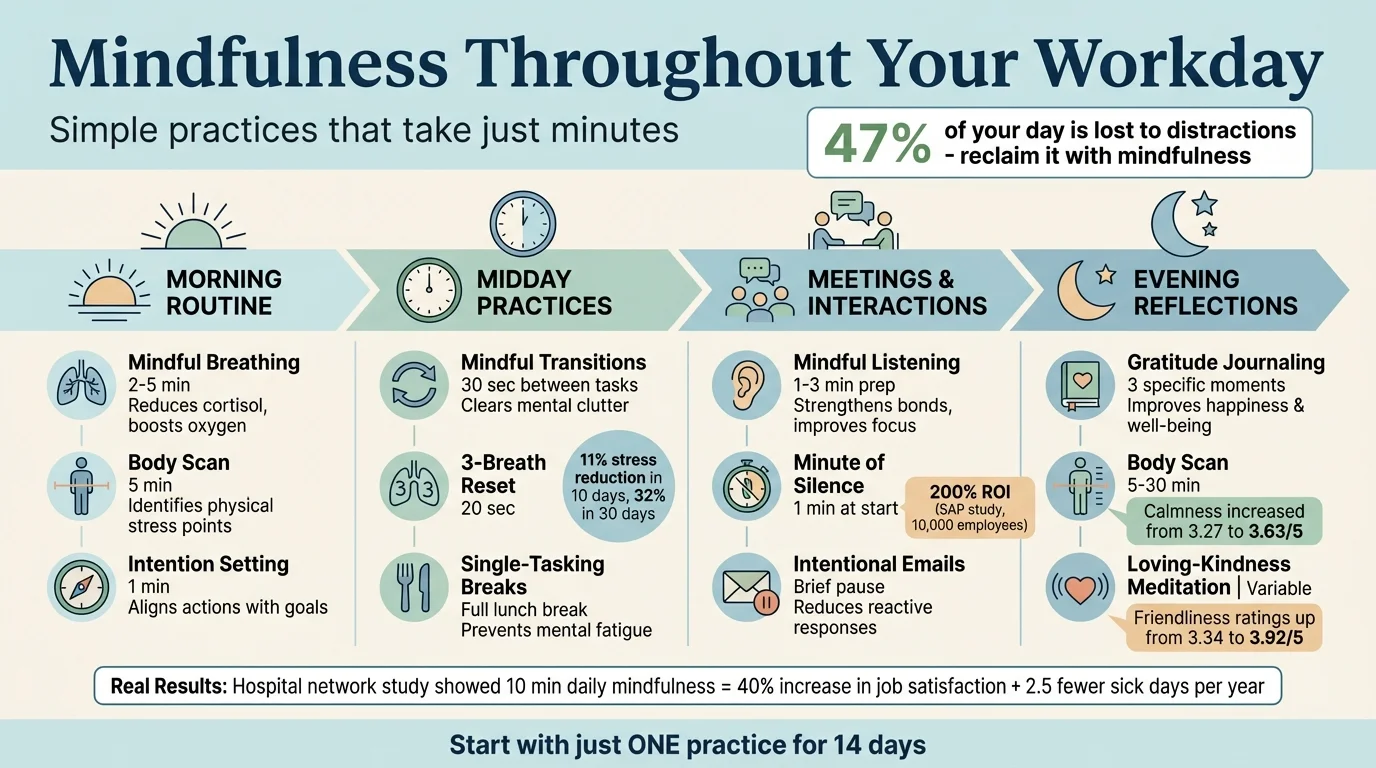
Integrating mindfulness into your morning routine offers a gentle yet powerful way to reset and center yourself. Mindfulness helps bring attention to the present moment, allowing your mind to clear out worries about the future or reflections on the past. Starting the day with mindfulness can increase calmness, improve concentration, and boost emotional resilience. Over time, this practice cultivates a more peaceful and intentional start, making challenges feel more manageable.
Preparing Your Mind and Environment
Choosing a Quiet and Comfortable Space
Creating the right environment sets the foundation for effective mindfulness practice. It’s helpful to find a quiet corner where distractions are minimal. This space should feel inviting and comfortable, whether it’s a cozy chair by a window or a spot on the floor with a cushion. Soft lighting and a tidy area can also enhance the calm vibe, encouraging your mind to settle into a more relaxed state.
Setting a Mindful Intention for the Day
Before diving into any exercises, take a moment to set a personal intention. This intention acts as a gentle reminder of what you want to carry with you throughout the day—whether it’s patience, clarity, or openness to new experiences. A mindful intention grounds you, aligning your focus and helping you return to a centered state whenever your mind wanders.
Step 1: Breathing Exercises to Ground Yourself
Techniques for Deep and Conscious Breathing
Starting with your breath is one of the simplest ways to anchor your awareness. Try inhaling deeply through your nose, allowing your abdomen to expand fully, then slowly exhale through your mouth. Repeating this deep breathing several times encourages a natural rhythm that calms the nervous system. Focusing on the breath invites a moment of presence, pulling you away from rushing thoughts.
How Breath Control Reduces Anxiety
When anxiety strikes, breathing often becomes shallow and rapid, intensifying feelings of panic. Mindful breath control counters this by activating the body’s relaxation response. Taking intentional, slow breaths signals your brain to ease tension, lowering stress hormones naturally. This shift supports clearer thinking and a quieter mind, making the morning feel less overwhelming.
Step 2: Body Scan to Release Physical Tension
Guided Awareness of Body Sensations
After grounding with breath, turning your attention to the body helps uncover unnoticed tension. A body scan invites you to mentally travel from your head to your toes, noticing sensations along the way without judgment. This gentle observation cultivates a deeper connection to how stress manifests physically, from tight shoulders to clenched jaws.
Noticing and Letting Go of Stress Points
As you identify areas of tightness, consciously allow those muscles to soften. Visualize the tension melting away with each exhale. This intentional relaxation reduces the physical burden of stress and refreshes your body for the day ahead. Releasing these stress points early can prevent discomfort from lingering into your work hours.
Step 3: Mindful Meditation Practice
Focused Attention vs. Open Awareness Methods
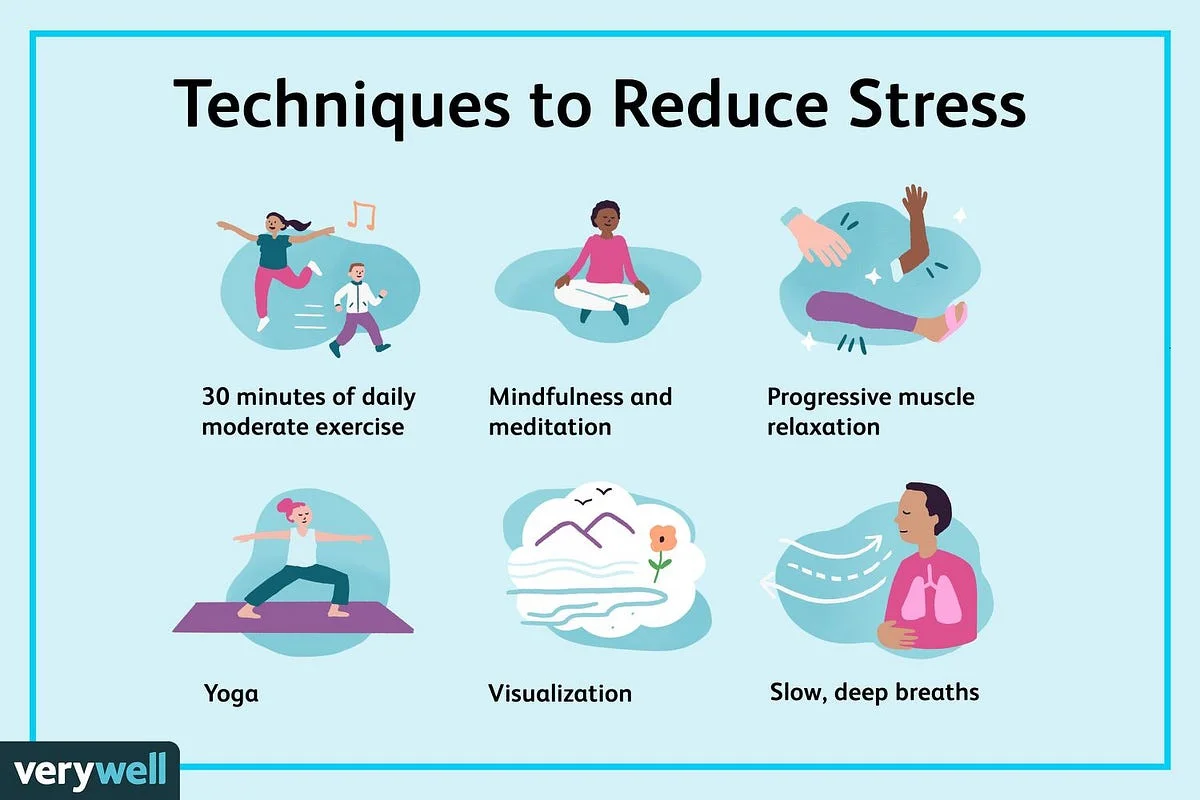
Mindful meditation can take different forms. Focused attention involves concentrating on a single object, like the breath or a calming image, helping to steady the mind. Open awareness, on the other hand, allows thoughts, sounds, and sensations to come and go without attaching to any one thing. Both methods promote mental clarity but serve different needs depending on your mood.
Using Mantras or Visualization to Enhance Calmness
Adding mantras—simple phrases repeated silently—or visualization can deepen your meditation. Mantras provide an anchor for drifting thoughts, while imagining a peaceful place can evoke feelings of safety and relaxation. These tools gently guide your mind back when distractions arise, making it easier to maintain calm focus as your morning unfolds.
Step 4: Mindful Movement to Energize the Body
Simple Stretching and Yoga Poses
Incorporating mindful movement after meditation helps awaken the body and prepare it for the day. Gentle stretches or basic yoga poses release lingering tightness and encourage blood flow. This physical engagement supports a sense of vitality while maintaining the centered awareness built in earlier steps.
Connecting Breath with Motion
Synchronizing your breath with movement deepens the practice. For example, inhale as you raise your arms, exhale as you fold forward. This rhythm fosters a harmonious connection between body and mind, enhancing relaxation and focus. Mindful movement can be a refreshing transition from stillness to the day’s activity.
Integrating Mindfulness Into Your Morning Routine
Creating a Sustainable Habit
Consistency is key when it comes to mindfulness. Finding a time that fits naturally into your morning, even if just five minutes, helps transform these techniques from a practice into a habit. Starting small reduces the risk of feeling overwhelmed and builds confidence that you can carry mindfulness into busier days.
Tools and Apps to Support Mindfulness Practice
Modern technology offers many resources to guide morning mindfulness. Apps tailored to meditation and breathing exercises provide structure and variety, which can be especially helpful when you’re just starting out. Using reminders or tracking progress also encourages regular practice without adding pressure.
How to Maintain Mindfulness Throughout the Workday
Quick Mindfulness Techniques for Breaks
Even brief moments of mindfulness during the workday can interrupt stress and refresh your focus. Pausing to take a few deep breaths, doing a quick body scan at your desk, or simply noticing your surroundings invites calm and resets your mental state. These little pauses accumulate, helping to keep stress levels in check.
Managing Work Stress with Ongoing Awareness
Mindfulness is not just a morning ritual; it’s an ongoing practice. Developing awareness of your thoughts and emotions throughout the day prepares you to respond thoughtfully rather than reacting impulsively to stressors. This awareness creates space to choose calmer responses, fostering a more balanced work experience.
Conclusion: Embracing Stress-Free Mornings
Starting your day with mindful awareness lays a foundation for managing stress before it escalates. By preparing your environment, practicing breath control, body scanning, meditation, and mindful movement, mornings can become moments of peace rather than pressure. Embracing these techniques regularly cultivates resilience, allowing you to face workdays with greater ease and clarity. This gentle approach invites you to greet each day grounded, focused, and ready for whatever comes your way.