Understanding the Connection Between Self-Care and Sleep
The Science of Sleep and Energy Cycles
Our bodies operate on a natural rhythm known as the circadian cycle, which governs when we feel alert and when we desire rest. Sleep is a critical component of this cycle, allowing the brain and body to recover, consolidate memories, and regulate hormones. Energy levels fluctuate throughout the day, often peaking in the morning and early afternoon before dipping in the evening. Understanding this biological system explains why quality sleep directly impacts how energized and focused we feel each day.
How Self-Care Influences Sleep Patterns
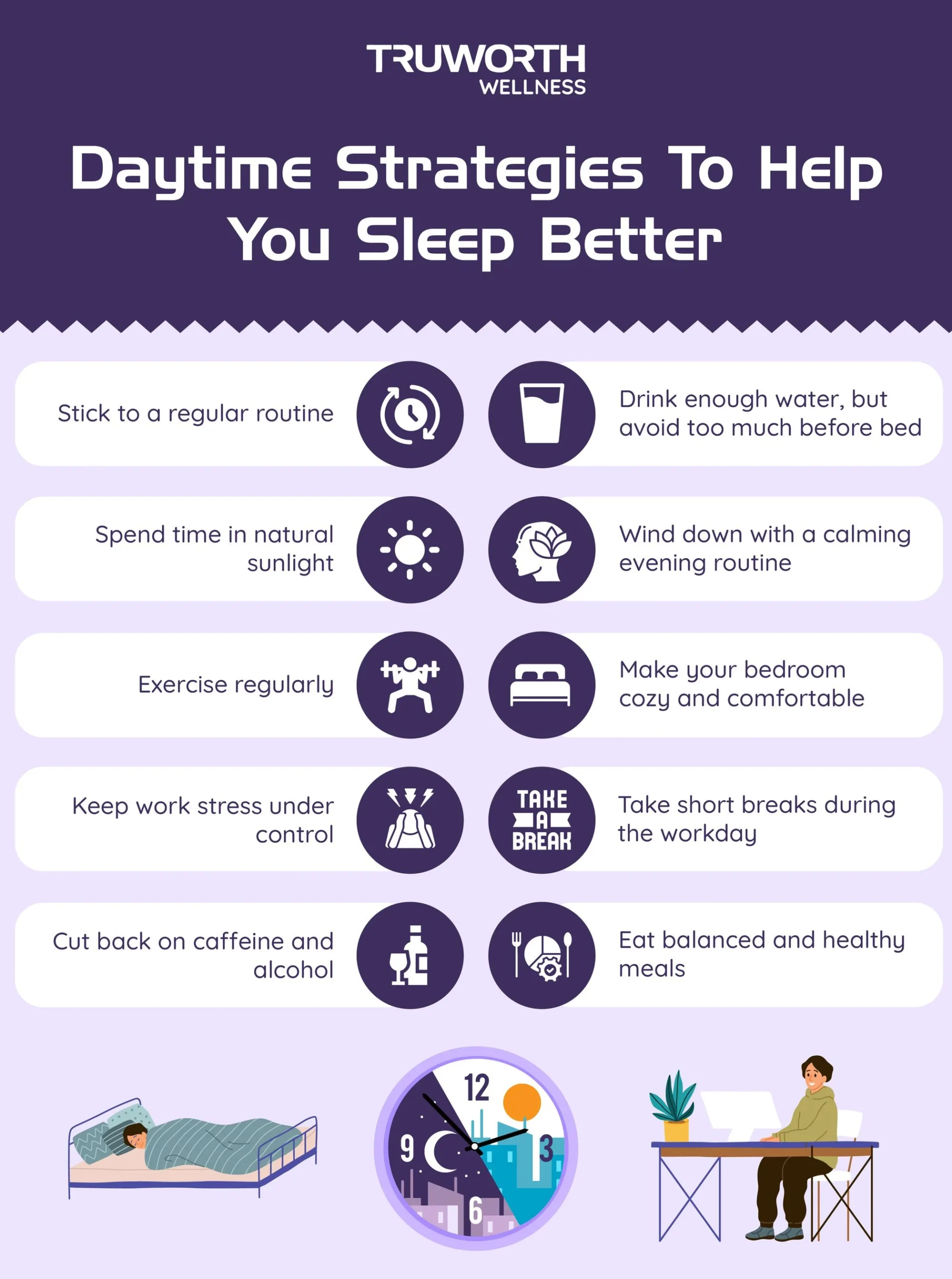
Self-care encompasses a variety of habits and practices aimed at maintaining or improving overall well-being. These actions can profoundly influence sleep patterns by reducing stress, aligning daily routines with natural rhythms, and promoting relaxation before bedtime. When individuals adopt mindful self-care strategies, they often experience fewer sleep disturbances, quicker sleep onset, and more restorative rest. This connection highlights the importance of intentional self-care for achieving consistent sleep quality.
Weekly Self-Care Planning for Better Sleep
Setting Realistic Sleep Goals Each Week
Effective self-care begins with setting achievable goals tailored to your lifestyle. Rather than expecting immediate transformation, focus on incremental improvements. Each week, define a clear objective such as going to bed 15 minutes earlier or minimizing caffeine intake after midday. Realistic targets reduce overwhelm and help maintain motivation, making it easier to stick to new habits that support better sleep.
Tracking Sleep Quality and Energy Levels
Keeping a weekly record of how you sleep and your daily energy can reveal meaningful patterns. Capture details like bedtime, wake time, perceived restfulness, and daytime alertness. This practice increases self-awareness and provides feedback on what adjustments positively affect your sleep. By regularly reviewing your observations, you can identify habits that drain your energy or disrupt sleep, enabling smarter modifications over time.
Daily vs. Weekly Self-Care Tasks
Short Daily Habits with Big Impact
Daily self-care routines often include brief but consistent actions that pave the way for improved sleep. Simple habits like maintaining a consistent sleep schedule, limiting screen use before bed, or practicing deep breathing exercises can significantly reduce sleep disruptions. These practices, repeated daily, build a foundation of restful sleep that supports daily energy.
Deeper Weekly Practices to Reset Your Body
In contrast, weekly self-care tasks provide a deeper reset, targeting accumulated tension or imbalance. Activities such as longer meditation sessions, a gentle yoga class, or a dedicated digital detox evening allow your nervous system to unwind more thoroughly. These immersive practices complement daily habits by addressing underlying stressors that might interfere with sleep quality.
Top Practical Weekly Self-Care Activities
Evening Digital Detox Routine
One of the most effective weekly rituals involves minimizing exposure to electronic devices an hour or two before bedtime. Blue light from screens can suppress melatonin production, the hormone responsible for sleepiness. Replacing screen time with calming activities like reading or listening to soft music creates a peaceful environment conducive to falling asleep sooner and enjoying deeper rest.
Mindful Movement and Gentle Yoga Sessions
Engaging in mindful movement such as gentle yoga once a week helps release physical and mental tension accumulated from daily stressors. These sessions encourage body awareness and promote relaxation, which are vital for winding down before sleep. Consistent practice fosters flexibility, reduces muscle tightness, and improves circulation—factors that all contribute positively to sleep quality.
Nutrition Choices that Promote Restful Sleep
Weekly attention to nutrition can influence how well you sleep. Incorporating foods rich in magnesium, tryptophan, and antioxidants supports the body’s natural sleep mechanisms. Planning meals that avoid heavy, spicy, or caffeine-laden items in the evening reduces the likelihood of discomfort and restlessness. Thoughtful dietary choices are an essential aspect of a holistic self-care routine targeting better sleep.
Creating a Relaxing Sleep Sanctuary
Devoting time to enhancing your sleeping environment once a week can profoundly affect restfulness. This might involve washing bed linens, decluttering the bedroom, or adjusting room temperature and lighting. Making the sleep space inviting and free from distractions primes your mind for relaxation and facilitates smoother transitions into restful sleep.
Journaling and Reflection for Stress Reduction
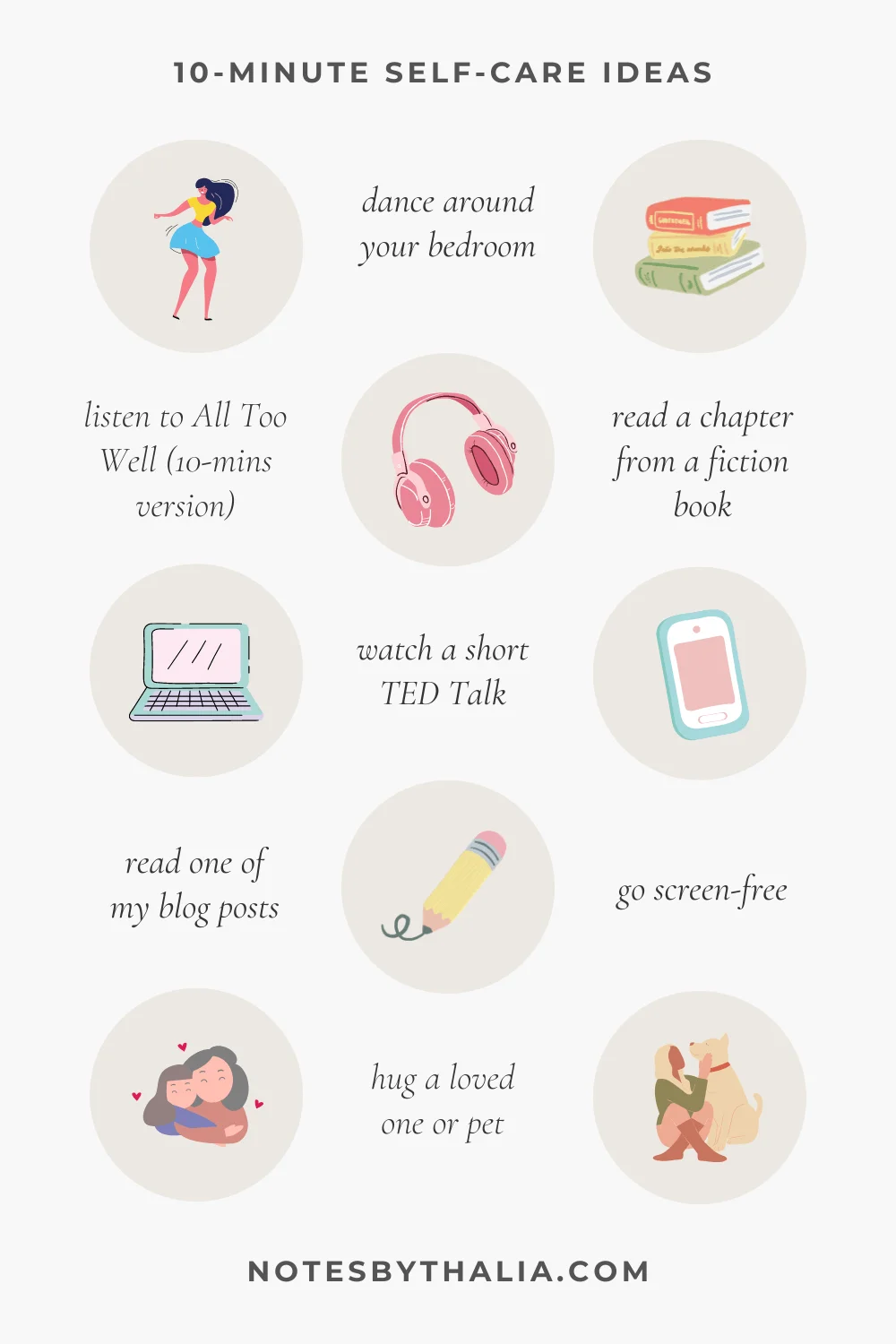
Setting aside moments each week for journaling allows you to process thoughts and emotions that might otherwise intrude on sleep. Writing down concerns, gratitude, or intentions serves as an emotional release, calming an active mind. This practice supports stress management, which is a key factor in reducing insomnia and enhancing sleep depth.
Morning Energy Boosters Tied to Weekly Self-Care
Sunlight Exposure and Morning Stretching
Starting your day with natural sunlight helps reset your internal clock and signals the body to wake fully. Complementing this with gentle stretches loosens stiff muscles and stimulates circulation, setting a positive tone for energy flow throughout the day. Incorporating these elements consistently supports the benefits gained from evening self-care activities.
Hydration and Nutrient-Rich Breakfast Habits
Hydration after waking up is crucial because the body naturally loses fluids overnight. Coupled with a balanced breakfast rich in protein, fiber, and healthy fats, it replenishes energy stores and stabilizes blood sugar. This combination lays the groundwork for sustained mental clarity and physical vitality, reinforcing the restorative effects of quality sleep achieved through weekly self-care efforts.
Planning a Balanced Morning Routine
Designing a morning routine that blends movement, mindfulness, and nourishment promotes steady energy levels. Whether it includes meditation, journaling, or reading, this structure can increase focus and reduce stress, preventing the afternoon energy slump. A thoughtful morning routine complements your weekly and daily self-care, creating a holistic approach to well-being.
Measuring Progress and Adapting Your Routine
Using Sleep Trackers and Self-Assessment Tools
Leveraging tools like sleep trackers or digital apps can offer objective insights into sleep duration and quality. Coupling these with subjective self-assessments regarding mood and energy helps build a comprehensive picture of progress. Regularly consulting this data ensures that your self-care routine remains aligned with your goals and highlights areas needing adjustment.
Adjusting Weekly Tasks Based on Feedback
Flexibility is key in sustaining an effective self-care practice. If certain activities do not yield the desired improvements or become burdensome, modifying or replacing them can maintain engagement and effectiveness. Periodically reviewing your sleep and energy records fosters an adaptive approach that evolves with your changing needs and circumstances, ensuring continual benefit.