Understanding Minimalist Skincare
What Does Minimalist Skincare Mean?
Minimalist skincare is all about simplifying your daily routine by focusing on the essentials. Instead of piling on countless products promising overnight miracles, it prioritizes core items that nurture your skin’s natural balance. This approach often resonates with beginners because it strips away the confusion, emphasizing clarity and efficiency over complexity.
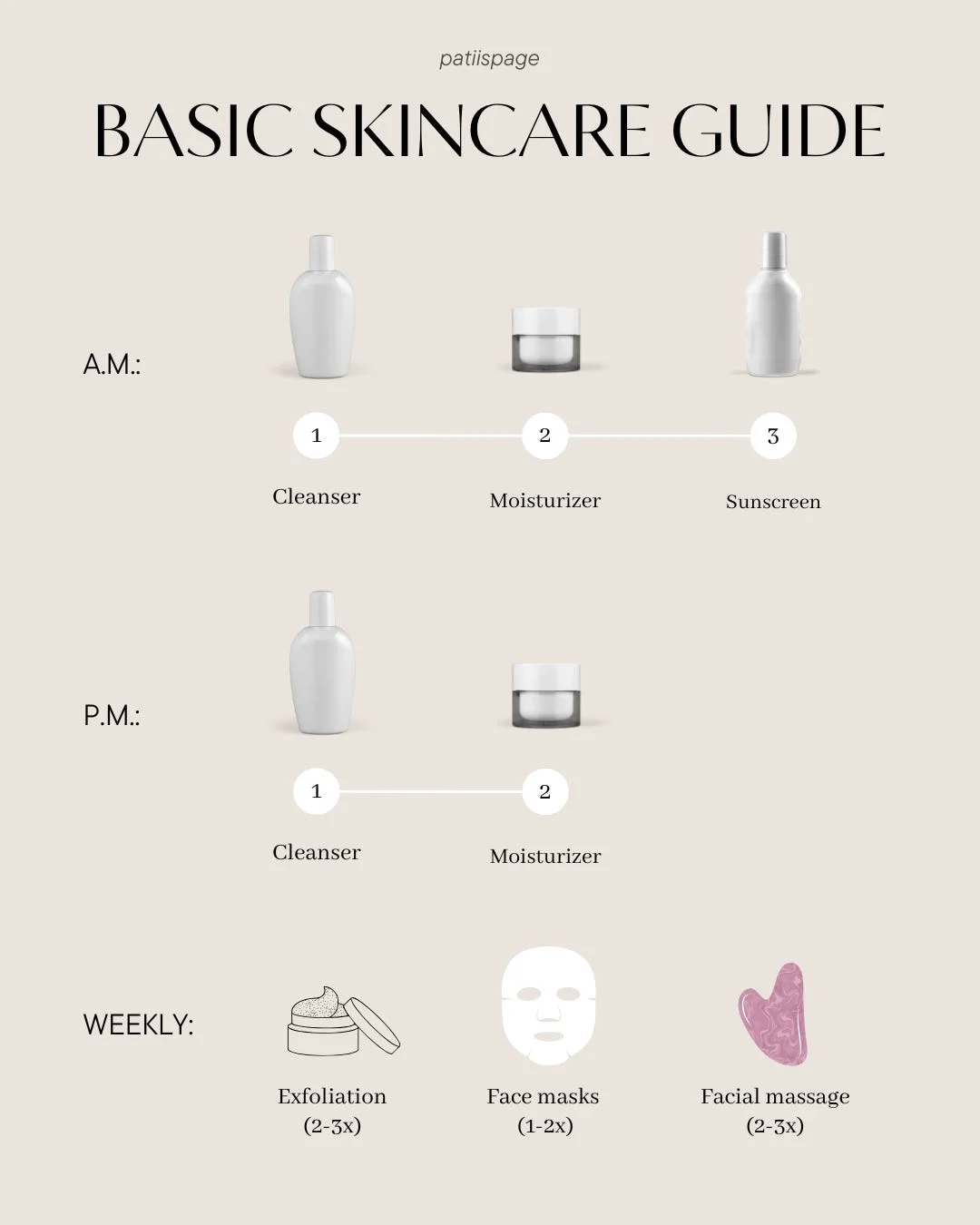
At its heart, minimalist skincare encourages you to tune into your skin’s actual needs and treat it gently without overwhelming it with unnecessary ingredients.
Benefits of a Minimalist Approach
There are plenty of reasons why people gravitate toward a minimalist skincare routine. For starters, it saves time. With just a few well-chosen products, your morning and evening rituals can become quick, manageable moments of self-care rather than lengthy chores.
Moreover, this approach reduces the risk of irritation and allergic reactions since you’re exposing your skin to fewer chemicals. It’s also budget-friendly—fewer products mean less spending. Plus, minimalist skincare tends to be more sustainable because you’re using less plastic and fewer formulations overall.
Common Myths Debunked
One major myth is that minimalist skincare means neglecting your skin or skipping important steps. The truth is the opposite. It’s about thoughtful selection rather than omission. Another misconception is that using multiple products is always better. In reality, overlayering can disrupt your skin’s natural barrier and cause breakouts.
Also, some think that minimalist routines won’t address specific skin concerns. When chosen carefully, minimal products can target issues effectively without the overload.
Essential Skincare Products and Their Roles
Cleansers: Choosing the Right One
Cleansing is the foundational step of any routine, minimalist or otherwise. Your cleanser’s job is to remove dirt, oil, and makeup gently without stripping the skin’s natural moisture. For beginners, a mild, non-foaming cleanser made with soothing ingredients usually works best.
Choosing based on your skin type is crucial here—those with dry skin might prefer hydrating cleansers, whereas oily skin types can opt for a gel-based formula that balances oil production.
Moisturizers: Hydration Without Overload
Moisturizers seal in hydration, which is essential for maintaining supple and healthy skin. A minimalist routine shouldn’t skip this step because dry or dehydrated skin can quickly turn dull or irritated. The key is to pick a moisturizer that feels comfortable and not heavy.
Look for lightweight, non-comedogenic products if you have oily or acne-prone skin. For drier skin, richer creams with nourishing oils might be ideal. Remember, good moisturizers don’t have to be complicated; often, simpler formulations yield the best results.
Sunscreens: Must-Have Protection
Sunscreen is arguably the most important product in any skincare routine. Protection from harmful UV rays prevents premature aging, sunburn, and more serious skin conditions. Minimalist or not, skipping sunscreen can undo all the good your other products do.
Opt for a broad-spectrum SPF of at least 30, suitable for daily wear. Many modern formulas absorb quickly and avoid that greasy feel, making it easier to incorporate sunscreen consistently.
Step-by-Step Routine Building Process
Step 1: Assess Your Skin Type
Before buying anything, take time to understand your skin’s unique characteristics. Is it oily, dry, combination, sensitive, or normal? This assessment guides your product choices and routine structure. Pay attention to how your skin reacts throughout the day and after different products.
You can perform simple at-home tests or consult a dermatologist if you’re unsure. Knowing your skin type prevents product waste and frustration.
Step 2: Select Multipurpose Products
In a minimalist routine, every product should serve more than one function if possible. For instance, some moisturizers contain built-in SPF, cutting down the number of steps. Similarly, cleansers with gentle exfoliating properties can simplify your regimen.
This strategy helps keep things streamlined and practical without sacrificing effectiveness.
Step 3: Create a Morning Regimen
Start your day by cleansing your face to wash away oils accumulated overnight. Follow this with a lightweight moisturizer. If your moisturizer doesn’t contain SPF, apply sunscreen as the final step.
Morning routines should be quick but effective, waking up your skin and protecting it against environmental aggressors.
Step 4: Establish a Nighttime Routine
At night, cleansing is just as important to remove the day’s grime and makeup. After cleansing, apply a moisturizer suited for nighttime, which might be slightly richer to aid skin repair during sleep. If desired, this is also when you can add a targeted treatment, like a serum or acne medication, keeping it minimal.
Consistency matters most here. A simple, calming routine helps support your skin’s natural healing process.
Tips for Maintaining Your Minimalist Routine
How to Avoid Product Overuse
It’s tempting to layer on new products hoping for quick fixes, but that often backfires. Stick to your chosen essentials and resist impulse buying. Patch test new products before incorporating them fully to avoid irritation.
Pay attention to your skin’s signals. If your face feels tight, itchy, or visibly reactive, you may be using too much or the wrong type of product.
Seasonal Adjustments and Flexibility
Your skin’s needs can shift with the seasons. For example, you might require a richer moisturizer in winter and a lighter one in summer. Staying flexible allows your minimalist routine to stay relevant year-round.
Don’t hesitate to tweak your routine when needed. The goal is simplicity, yes, but not rigidity.
Tracking Your Skin’s Progress
Keep an eye on how your skin reacts over weeks and months. This awareness enables you to fine-tune your routine progressively. Taking photos or keeping a simple journal can be surprisingly helpful to notice subtle improvements or emerging concerns.
Patience is key, as most products take time to show results.