Introduction to Herbal Hair Masks
Why Choose DIY Herbal Hair Masks?
In recent years, natural hair care has gained immense popularity as more people seek gentle and effective alternatives to chemical-laden products. DIY herbal hair masks offer a wonderful way to nourish your hair using ingredients you can trust and often find in your kitchen or garden. Creating your own herbal hair mask empowers you to tailor treatments specifically for your hair type and concerns, ensuring healthier, shinier locks without worrying about harsh additives.
Benefits of Herbal Ingredients for Hair Health
Herbs have been cherished for centuries for their therapeutic properties, and their benefits extend beautifully to hair care. Ingredients like rosemary, hibiscus, and aloe vera can stimulate scalp health, promote growth, and enhance shine. Unlike synthetic treatments, herbal masks tend to be rich in antioxidants, vitamins, and essential oils that work gently to repair damage and strengthen each strand. By infusing your hair with these natural botanicals, you support long-term vitality and reduce reliance on products that may dry or irritate your scalp.
Essential Ingredients for Herbal Hair Masks
Common Herbs and Their Hair Benefits
Choosing the right herbs is key to crafting an effective hair mask. Rosemary is known for stimulating blood circulation to the scalp, encouraging hair growth. Hibiscus flowers offer conditioning properties and help prevent premature graying. Neem leaves bring antibacterial effects, great for dandruff-prone scalps. Other popular herbs like fenugreek and chamomile soothe inflammation and add softness. Each herb brings a unique benefit, so selecting those that address your specific hair needs can make a big difference.
Additional Natural Ingredients to Enhance Your Mask
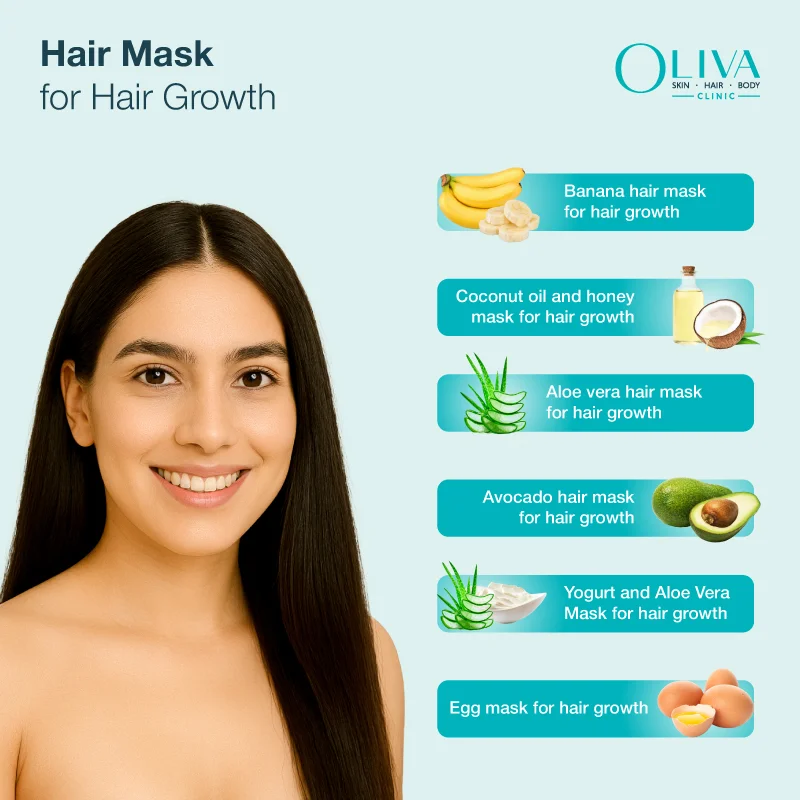
Beyond herbs, several natural ingredients can boost your hair mask’s effectiveness. Yogurt and honey add moisture and shine, while coconut oil or olive oil provides deep conditioning and reduces frizz. Aloe vera gel is a soothing addition, especially if you have a sensitive scalp. By blending these with your chosen herbs, you create a nourishing, multi-functional mask that tackles dryness, breakage, and dullness all at once.
Preparing Your Herbal Hair Mask: Tools and Tips
Gathering and Storing Ingredients
Start by sourcing fresh or dried herbs from trusted suppliers to ensure potency and safety. If you’re harvesting from your garden, pick herbs early in the morning when their essential oils are most concentrated. Dry herbs in a cool, dark place and store them in airtight containers to maintain freshness. Use clean, toxin-free natural oils and other ingredients to keep your mask as pure as possible.
Necessary Equipment for Mixing and Application
You don’t need fancy tools, but a few items will make the process smoother. A glass or ceramic bowl is ideal for mixing your mask as it won’t react with acidic herbal infusions. Use a spoon or spatula to combine ingredients evenly. For application, a hair dye brush or your fingers work well to spread the mask from roots to tips. Having a shower cap handy helps to trap heat and boost the mask’s penetration, enhancing its benefits.
Step-by-Step Instructions to Make Your Herbal Hair Mask
Step 1: Selecting the Right Herbs for Your Hair Type
Begin by identifying your hair concerns—dryness, thinning, dandruff, or lack of shine—and pick herbs accordingly. For dry hair, hibiscus and aloe vera provide excellent moisture. If your scalp is oily or prone to dandruff, neem and rosemary might be better options. Combining herbs tailored to your specific needs ensures the mask delivers meaningful results.
Step 2: Preparing Herbal Infusions or Powders

Once your herbs are selected, prepare them by making infusions or grinding dried herbs into fine powders. Herbal infusions are simply herbs steeped in hot water like tea to extract active compounds. This liquid can then be mixed with other ingredients. Powders offer a more concentrated form and are great for thickening masks. Whichever method you choose, ensure your herbs are well-prepared to maximize their benefits.
Step 3: Mixing the Ingredients
Combine your herbal infusion or powder with complementary ingredients such as oils, yogurt, or honey. Aim for a creamy consistency that spreads easily without dripping. Mixing thoroughly is important to ensure every scoop contains a balanced blend of nutrients. Adjust the texture by adding more liquid or powder until you reach the desired thickness for easy application.
Step 4: Application and Timing
Apply the mask starting at your scalp, gently massaging in circular motions to stimulate circulation. Work the mask through the length of your hair to nourish every strand. Cover your hair with a shower cap to retain warmth, which helps the herbal compounds penetrate deeper. Leave the mask on for 30 to 45 minutes, allowing sufficient time for your hair to soak up the nutrients.
Step 5: Rinsing and Aftercare
Rinse your hair thoroughly with lukewarm water to remove all traces of the mask. Avoid using hot water, which can strip away natural oils. Follow with a mild shampoo if necessary, especially if you used oils. Finish by applying a conditioner or leave-in treatment to lock in moisture. Regular use will leave your hair feeling softer, looking shinier, and easier to manage.
Tips for Maximizing the Effectiveness of Your Herbal Hair Mask
Frequency of Use and Long-Term Benefits
For best results, use your DIY herbal hair mask once or twice a week. Consistency allows the herbs to gradually repair damage and promote healthy growth. Over time, you’ll notice reduced breakage, improved scalp health, and enhanced texture. Avoid overusing masks as excessive application can weigh hair down or cause buildup.
Combining Masks with Other Hair Care Practices
Herbal masks work wonders alongside a healthy hair care routine. Gentle shampooing, regular scalp massages, and minimizing heat styling enhance the mask’s benefits. Eating a balanced diet and staying hydrated also support hair health from within. When combined, these simple habits help you maintain beautiful, vibrant hair naturally.