Understanding Hair Frizz: Causes and Misconceptions
What Triggers Frizz in Different Hair Types?
Frizz occurs when the hair’s cuticle layer is raised, allowing moisture to enter and disrupt the hair shaft. This effect varies based on hair type. For curly or wavy hair, frizz is especially common because the natural bends cause cuticles to lift more easily. Fine or straight hair can also become frizzy, but it is often a result of environmental exposure or damage rather than natural texture. Understanding these triggers can help tailor your washing routine to prevent frizz effectively.

Common Myths About Hair Washing and Frizz
Many believe that washing hair frequently keeps frizz at bay, but excessive washing can strip natural oils, leaving hair dry and prone to frizz. Another misconception is that hotter water tames frizz, whereas hot water actually damages the cuticle and exacerbates the problem. These myths mislead people into routines that make frizz worse rather than better.
Optimizing Your Hair Washing Routine
Choosing the Right Shampoo and Conditioner for Frizz Control
The foundation of a frizz-free look starts with selecting shampoo and conditioner designed to hydrate and smooth your hair. Sulfate-free shampoos are gentler and prevent drying out hair. Conditioners rich in moisturizing agents like argan oil or shea butter help replenish hydration, sealing the cuticle to reduce frizz. Skipping conditioner or choosing formulas not suited to your hair type can leave strands vulnerable to moisture loss, leading to persistent frizz.
How Often Should You Really Wash Your Hair?
Washing your hair too often removes essential natural oils that protect the hair shaft, while washing too infrequently can cause scalp buildup and dull hair. For most, washing hair two to three times a week strikes the right balance, but this varies with hair type and lifestyle. Adjusting frequency toward preserving moisture and scalp health ensures hair remains resilient and less prone to frizz.
Water Temperature: Hot, Warm, or Cold?
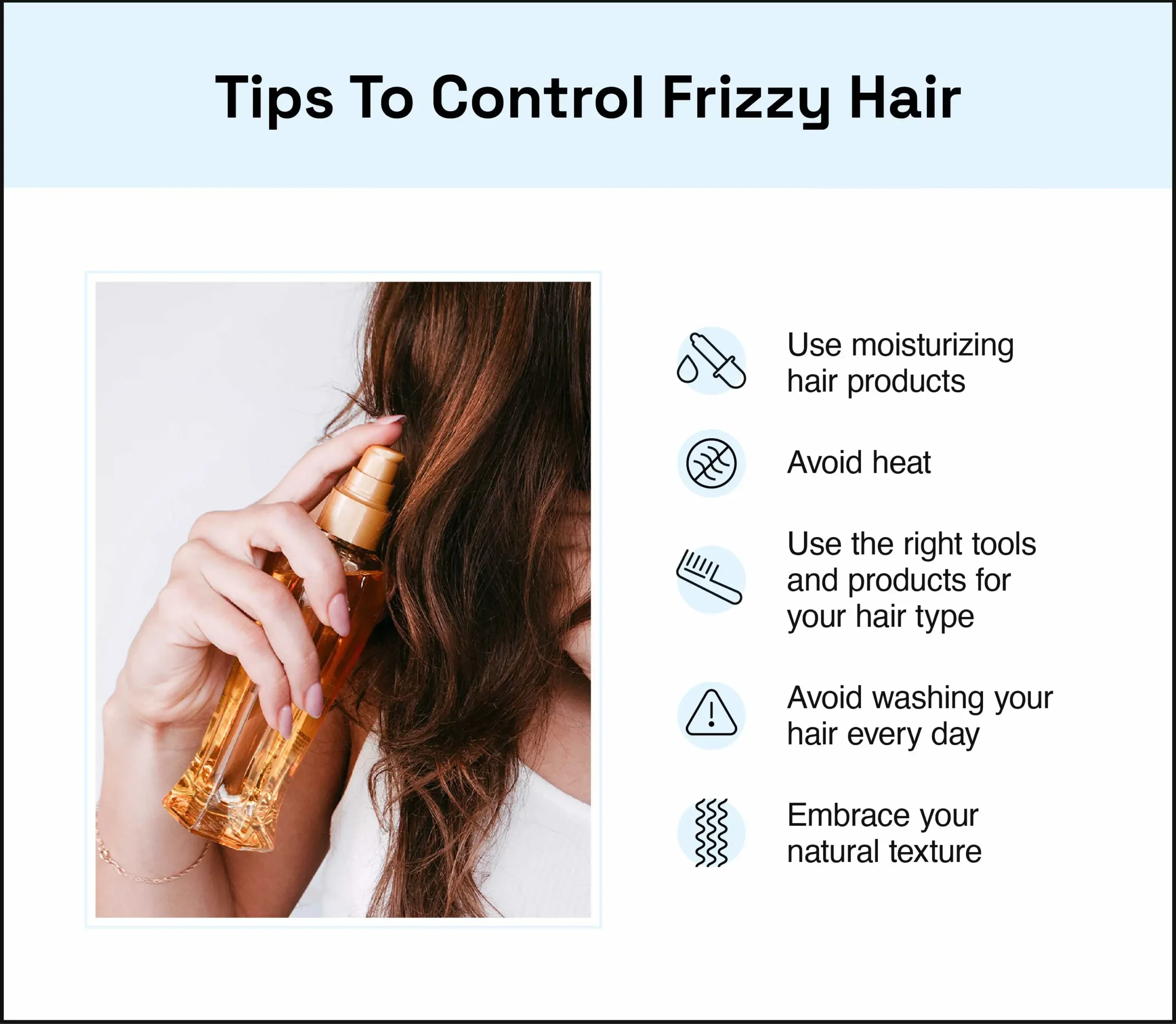
Many assume hot water cleans better, yet it can damage hair cuticles, leading to increased frizz. Warm water is a better option for cleansing without harsh effects, while finishing with a cold water rinse helps close the cuticle layer, locking in moisture and adding shine. Incorporating this simple temperature shift during washing can dramatically improve hair smoothness throughout the day.
Simple Techniques to Minimize Frizz During Wash
Proper Scalp Massage and Shampoo Application
Vigorous scrubbing can cause tangling and cuticle damage that triggers frizz. Instead, gentle scalp massage with fingertips encourages circulation and promotes cleanliness without roughening hair strands. Applying shampoo mainly to the scalp and allowing the suds to cleanse the rest of the hair helps maintain moisture balance while thoroughly washing away impurities.
The Importance of Gentle Towel Drying
Roughly rubbing hair with a towel creates friction that lifts the cuticle and causes frizz. Blotting hair gently with a microfiber towel or a soft cotton T-shirt reduces this friction and moisture loss. This subtle change in drying technique preserves hair’s smooth surface and reduces the likelihood of frizz developing as hair dries.
Using Leave-In Products and Serums Effectively
Leaving hydrating products in your hair after washing supports cuticle health and shields hair from humidity. Choose lightweight leave-in conditioners and serums that seal moisture without weighing hair down. Applying these to damp hair distributes them evenly and maximizes their frizz-fighting benefits throughout the day.
Post-Wash Care Tips That Keep Frizz Away
Detangling Without Damage
Detangling is necessary but can worsen frizz if done improperly. Using a wide-tooth comb on damp hair prevents breakage and reduces the lifting of cuticle scales. Starting from the ends and working upward minimizes stress on hair and keeps strands smooth and intact.
Styling Hacks to Lock in Moisture
Styling while hair is still damp allows products and natural moisture to set in. Avoid heat styling immediately after washing, as heat can dry hair and cause cuticle damage. Instead, consider air-drying or using a diffuser on a low setting. Incorporating anti-frizz styling creams or oils at this stage helps seal in hydration, ensuring hair stays manageable and frizz-free longer.
Incorporating Natural Remedies for Smoother Hair
DIY Hair Masks and Oils to Prevent Frizz
Natural ingredients like coconut oil, avocado, and honey provide deep nourishment and moisture restoration. Applying a DIY hair mask once a week helps repair damage and maintain smoothness. Oils such as argan or jojoba can be used sparingly on damp or dry hair as a protective layer against humidity. These natural treatments complement your regular routine and offer gentle yet effective frizz control.
Conclusion: Habits to Adopt for Long-Term Frizz Control
Frizz management begins with understanding your hair’s unique needs and carefully adjusting your washing routine to support moisture retention. Avoiding common mistakes such as harsh scrubbing, hot water rinses, and over-washing can make a significant difference. Implementing gentle drying techniques and using suitable products ensures your hair remains smooth and healthy. Consistent care combined with natural remedies builds resilience, helping you maintain frizz-free hair every day. Embrace these simple changes for lasting results and enjoy hair that looks polished and vibrant.