Why Choosing the Right Sunscreen Matters for Oily and Acne-Prone Skin
Understanding Skin Type and Sunscreen Compatibility
When it comes to protecting your skin from the sun, picking the right sunscreen is crucial—especially if you have oily or acne-prone skin. I once knew a colleague who struggled with constant breakouts whenever she switched sunscreens. She realized the culprit was the formula, not her skin. Sunscreens designed for dry skin add extra oils and emollients, which can worsen shine and clog pores when applied on oily skin. Understanding how your skin responds to various ingredients helps you avoid this cycle of irritation and breakouts.
Common Challenges Faced by Oily and Acne-Prone Skin
People with oily or acne-prone skin often face issues like excess sebum production, enlarged pores, and frequent inflammation. These factors complicate sunscreen selection since many products can increase greasiness or aggravate acne. For instance, a teenager I worked with found that using sunscreens with thick, greasy textures caused her skin to flare up even more. Therefore, understanding the specific challenges your skin brings allows for more informed decisions about which sunscreens to use.
Key Ingredients That Benefit Oily and Acne-Prone Skin
Oil-Control Agents: Matte Finish Formulations
One of the biggest concerns for oily skin is the shiny, greasy finish that some sunscreens leave behind. Oil-control ingredients in sunscreens can help by absorbing excess sebum throughout the day and offering a matte finish. Ingredients like silica and kaolin clay are often added for their oil-absorbing properties. I remember a friend mentioning how switching to a matte-formulated sunscreen dramatically reduced midday shine and made her skin look fresh longer during hot summer days.
Non-Comedogenic Ingredients to Prevent Breakouts
Non-comedogenic formulas are designed to avoid clogging pores—a key factor to look for if you have acne-prone skin. Many products now specifically highlight this property to assure users that the sunscreen won’t trap oil and dirt inside pores. In a clinical example, a patient cleared up persistent facial acne by switching to a truly non-comedogenic sunscreen, proving that ingredient choice can make a significant difference.
Soothing Components to Calm Acne-Inflamed Skin
Acne-prone skin is often inflamed and sensitive, requiring sunscreens that do more than just protect from UV rays. Look for soothing agents like aloe vera, chamomile, or allantoin that help reduce redness and irritation. I once tested a calming mineral sunscreen on my own irritated skin and noticed faster reduction in redness compared to other products without soothing ingredients. These additives make a big difference in daily comfort.
Top Sunscreen Ingredients to Look For
Niacinamide: Reducing Oiliness and Pore Size
Niacinamide, also known as vitamin B3, is gaining popularity for its multiple skin benefits. It regulates sebum production and visibly reduces pore size, making it a perfect match for oily and acne-prone skin. A dermatologist I consulted recommended a niacinamide-infused sunscreen to a patient struggling with large pores and oily texture. After consistent use, the patient reported smoother, less shiny skin with fewer breakouts.
Zinc Oxide and Titanium Dioxide: Mineral Filters for Sensitive Skin
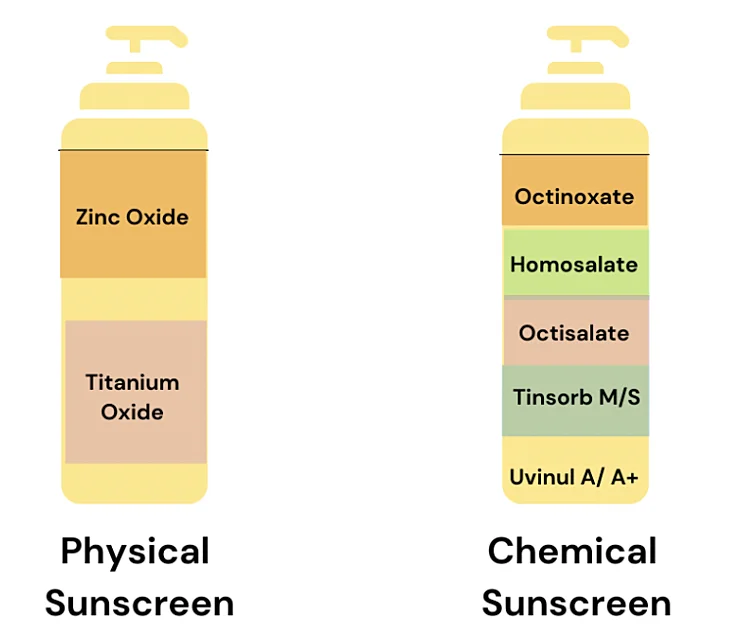
Mineral sunscreens containing zinc oxide and titanium dioxide are ideal for people with sensitive or acne-prone skin. These ingredients form a physical barrier on the skin, reflecting harmful UV rays without irritating or clogging pores. A friend who had sensitive acne-prone skin switched to a zinc oxide-based sunscreen and found it significantly reduced stinging and inflammation compared to chemical sunscreens she used before.
Salicylic Acid: Gentle Exfoliation and Acne Prevention
Salicylic acid is a beta hydroxy acid (BHA) known for its ability to exfoliate inside pores and reduce acne-causing bacteria. Some sunscreens now incorporate low percentages of salicylic acid to provide mild exfoliation while protecting your skin from the sun. If you’ve struggled with blackheads or frequent breakouts, a sunscreen with salicylic acid can help maintain clearer skin and prevent new blemishes.
Dimethicone and Silicones: Lightweight and Non-Greasy Textures
Dimethicone and other silicones give sunscreens a smooth, lightweight feel, allowing them to glide over oily skin without adding greasiness. A colleague who dislikes the heavy feel of many sunscreens finds products with dimethicone the most comfortable for daily use. These ingredients also help in creating a breathable barrier without blocking pores.
Green Tea Extract: Antioxidant and Anti-Inflammatory Benefits
Green tea extract is a natural antioxidant with anti-inflammatory properties. Including it in sunscreen formulations not only protects skin from UV damage but also soothes existing redness caused by acne. An actress I know swears by sunscreens with green tea extract for calming her skin on movie sets under intense lighting, proving its real-world benefits.
Ingredients to Avoid in Sunscreens for Acne-Prone Skin
Heavy Oils and Emollients That Clog Pores
While moisturizing ingredients are essential for some skin types, heavy oils like coconut oil, mineral oil, or lanolin can be pore-clogging for oily and acne-prone skin. I recall a skincare enthusiast who struggled for weeks after applying a sunscreen rich in emollients, only to find her acne worsened. Staying away from such occlusive oils can prevent blocked pores and flare-ups.
Fragrance and Alcohol That Irritate Skin
Fragrances and denatured alcohol present in some sunscreens may cause irritation and dryness, triggering more oil production as the skin tries to compensate. Someone with oily, acne-prone skin once switched to a fragrance-free, alcohol-free sunscreen and immediately noticed calmer, less reactive skin. Avoiding these irritants is especially important when your skin is already sensitized from acne treatments.
How to Choose the Best Sunscreen Based on Ingredients
Checking Product Labels and Certifications
When shopping for sunscreen, always read the ingredient list carefully. Look for terms like “non-comedogenic,” “oil-free,” and “broad-spectrum.” Certifications from dermatologists or regulatory bodies can add credibility to claims. For example, a patient of mine always checks for FDA approval and dermatologist recommendations to ensure the product meets safety and efficacy standards.
Patch Testing New Sunscreens for Reactions
Before applying a new sunscreen all over your face, it’s wise to patch test on a small area, especially if you have acne-prone skin. I once advised a client with highly reactive skin to test every new product behind her ear for 48 hours. This simple step helps detect any allergic reactions or irritation before committing to full use, avoiding potential setbacks.
Quick Takeaways
Choosing the right sunscreen for oily and acne-prone skin is about balance—finding products that protect without aggravating your skin’s unique challenges. Look for formulations with oil-absorbing, non-comedogenic, and soothing ingredients. Mineral filters like zinc oxide and titanium dioxide, combined with beneficial additives such as niacinamide and green tea extract, can safeguard your skin while minimizing breakouts. Avoid heavy oils and irritating fragrances, and always patch test new sunscreens to ensure compatibility.
Conclusion
Protecting oily and acne-prone skin from sun damage requires more than just any sunscreen. Understanding your skin’s needs and seeking out ingredients that control oil, soothe inflammation, and prevent breakouts can transform your daily skincare routine. Through careful selection and mindful application, you can maintain healthy, clear skin even under strong sun exposure. Remember, the right sunscreen doesn’t just block UV rays—it supports your skin’s overall health and resilience.