Understanding Skin Barrier Basics
What is the Skin Barrier?
The skin barrier, also known as the stratum corneum, is the outermost layer of the skin. It acts as a protective shield against environmental aggressors like bacteria, pollutants, and harsh chemicals. Composed mainly of lipids and keratinocytes, this barrier preserves skin moisture and keeps irritants out.
Functions and Importance of the Skin Barrier
Beyond protection, the skin barrier regulates hydration by preventing excessive water loss. A healthy barrier supports the skin’s natural repair processes and maintains overall skin balance. When it’s intact, skin feels smooth, resilient, and looks radiant. Damage to this layer compromises these functions, leading to dryness, sensitivity, and increased risk of infection.
The Science Behind Exfoliation
Types of Exfoliation: Physical vs Chemical
Exfoliation removes dead skin cells, promoting cell turnover. Physical exfoliation uses abrasive particles or tools to slough off the surface layer. Chemical exfoliation involves acids or enzymes that dissolve bonds between skin cells, facilitating their shedding. Both methods aim to improve skin texture and clarity but work through different mechanisms.
Benefits of Proper Exfoliation
When done correctly, exfoliation can brighten dull skin, unclog pores, and enhance absorption of skincare products. It encourages regeneration and can aid in managing skin conditions like acne and hyperpigmentation. The key is balance—removing excess dead cells without compromising the protective barrier.
Consequences of Over-Exfoliating
Signs Your Skin Barrier Is Damaged
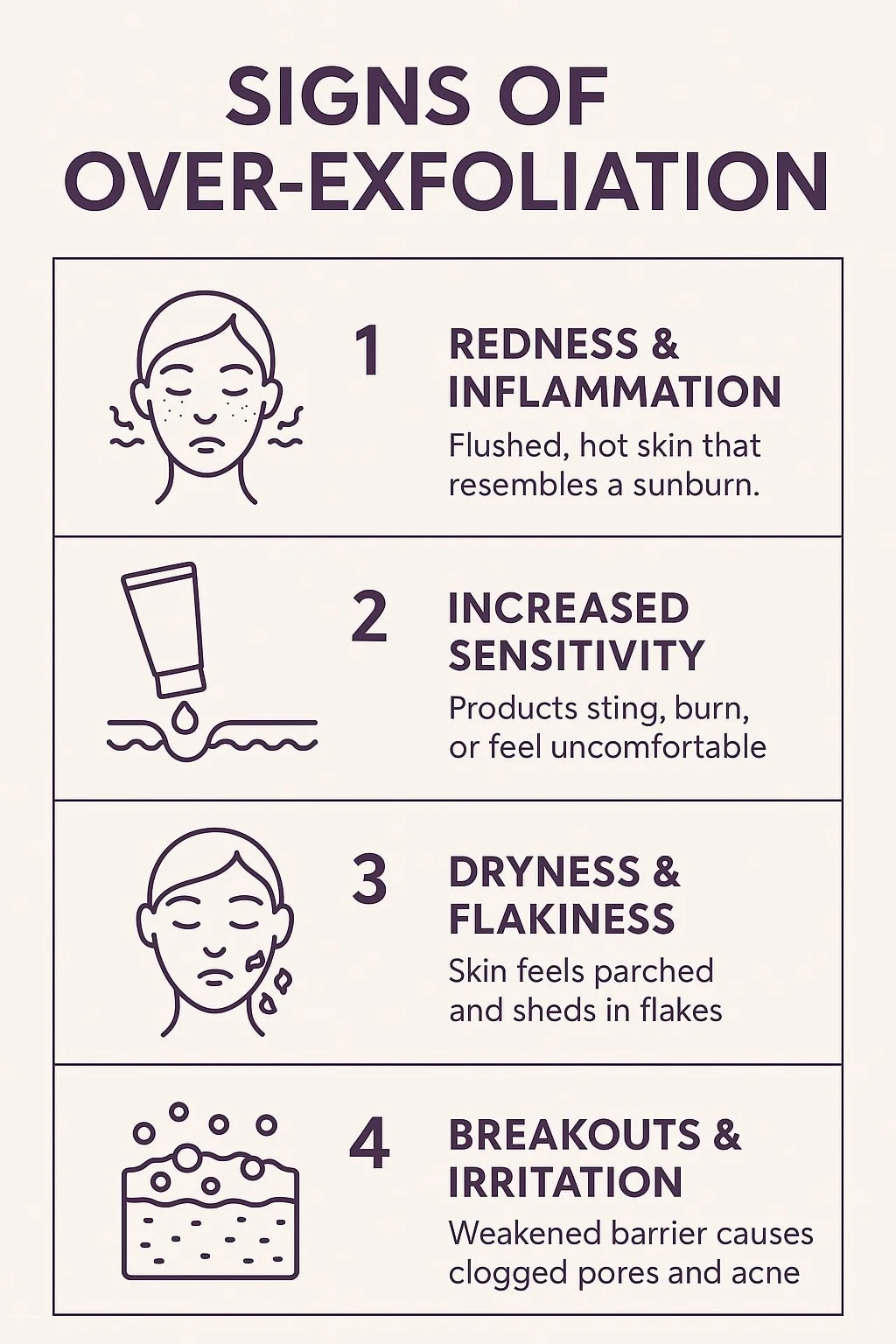
Over-exfoliation often leaves signs such as redness, dryness, flakiness, and tightness. You might notice increased sensitivity or a stinging sensation after applying products. In some cases, skin can become visibly inflamed or develop small cracks, indicating barrier disruption.
Short-term and Long-term Effects on Skin Health
In the short term, excessive exfoliation can cause discomfort and irritation. Continued overuse weakens the barrier, leading to chronic dryness, persistent inflammation, and susceptibility to infections or allergic reactions. Over time, barrier damage may accelerate aging signs like fine lines and uneven skin tone.
How Over-Exfoliation Impacts Skin Physiology
Disruption of Lipid Layers
The skin barrier’s lipid matrix holds water and seals against irritants. Over-exfoliating strips away these essential oils and lipids, reducing the skin’s ability to retain moisture. This disruption leads to dehydration and impairs barrier repair mechanisms, leaving skin vulnerable.
Increased Sensitivity and Inflammation
Removing too many layers triggers the skin’s immune response, causing redness and inflammation. This heightened sensitivity can make the skin reactive to normally mild products or environmental changes, contributing to a cycle of irritation and damage.
Step-by-Step Guide to Recovery
Immediate Actions to Repair Your Skin Barrier
Stop all exfoliating products immediately. Focus on gentle cleansing with a mild, fragrance-free cleanser. Avoid hot water and harsh ingredients like alcohol or fragrances. Applying a soothing, hydrating moisturizer will help restore moisture levels and calm inflammation.
Best Ingredients to Look for in Barrier-Repair Products
Opt for products containing ceramides, fatty acids, and cholesterol to replenish the lipid matrix. Ingredients like niacinamide and panthenol soothe and support skin repair, while hyaluronic acid boosts hydration. Avoid potential irritants until your skin has fully healed.
Preventing Future Damage
Creating a Balanced Skincare Routine
Balance is crucial in maintaining skin health. Use gentle cleansers, moisturizers, and sun protection daily. Limit exfoliation to an appropriate frequency based on your skin type and tolerance. Incorporate nourishing products that protect and strengthen the barrier.
Tips for Safe and Effective Exfoliation Frequency
Most skin types benefit from exfoliating one to three times per week. Sensitive or compromised skin requires less frequent or gentler methods. Always patch test new exfoliants and listen to your skin’s response, adjusting use accordingly to avoid irritation.
Alternatives to Over-Exfoliation
Gentler Methods for Skin Renewal
Instead of aggressive exfoliation, try mild exfoliating products with low acid concentrations or enzyme-based formulas. Physical exfoliants should be soft and used sparingly. Consider treatments like hydrating masks or serums that support natural cell turnover without stripping the skin.
Supporting Skin Health Through Hydration and Nutrition
Healthy skin starts from within. Drinking plenty of water and eating a balanced diet rich in antioxidants, vitamins, and omega fatty acids can strengthen the skin barrier. Using hydrating skincare products regularly also helps maintain moisture and resilience.