Introduction to Daily Check-In Questions
Why Consistent Communication Matters in Long-Term Relationships
In long-term relationships, communication often shifts from frequent and dynamic to routine or minimal. This natural progression can create emotional distance if left unchecked. Consistent communication is essential to keep partners connected, ensuring that both feel heard, valued, and understood over time. It fosters emotional safety and prevents misunderstandings from escalating, making the relationship more resilient to challenges.
The Role of Check-In Questions in Building Trust
Daily check-in questions serve as simple yet powerful tools that encourage openness and honesty. They create intentional moments where partners can express their feelings and thoughts without judgment. This practice nurtures trust by showing that each partner is willing to be vulnerable and attentive to the other’s inner world. Over time, this builds a strong foundation of mutual respect and emotional security.
Setting the Foundation for Honest Dialogue
Choosing the Right Questions for Your Relationship
One common issue couples face is selecting questions that resonate with both partners. Generic or forced questions may feel superficial, leading to disengagement. The cause often lies in a lack of personalization or failure to consider each partner’s unique emotional needs and communication styles. The solution is to collaboratively choose or adapt questions that reflect your relationship’s dynamics and current circumstances, ensuring relevance and engagement.
Creating a Safe Space for Vulnerability
Even the best questions won’t foster honesty if partners don’t feel safe sharing their true feelings. Fear of judgment, criticism, or misunderstanding can prevent open communication. This barrier often stems from past negative experiences or unresolved conflicts. Building a safe space requires active listening, empathy, and a non-defensive attitude. By responding with acceptance and curiosity rather than blame, partners can encourage genuine vulnerability during daily check-ins.
Examples of Effective Daily Check-In Questions
Emotional Well-being and Mindset
Focusing on emotional health helps identify stressors and mood shifts before they affect the relationship. Questions like “What’s been on your mind today?” or “How are you feeling emotionally right now?” invite partners to share their internal states. Avoiding overly clinical or vague inquiries ensures the conversation remains heartfelt and meaningful, promoting greater emotional intimacy.
Relationship and Connection Focused
Check-ins that center on the relationship itself can reinforce commitment and understanding. Asking “What’s one thing you appreciated about us today?” or “Is there something you wish I understood better?” encourages reflection on the partnership’s strengths and areas for growth. Without such focus, couples may overlook subtle disconnects that build up over time.
Personal Growth and Challenges
Supporting individual growth within a relationship strengthens the bond by respecting each person’s journey. Questions like “What challenge did you face today?” or “Is there a goal you’re working toward that I can support?” signal that partners are invested in each other’s development. Ignoring this aspect can lead to feelings of neglect or isolation despite physical proximity.
Implementing a Daily Check-In Routine
Best Times and Settings for Check-Ins
Finding consistent times that suit both schedules is often a challenge. Attempts to check in during busy or stressful moments can lead to rushed or superficial answers. The root cause is usually lack of planning or awareness of each other’s rhythms. Scheduling check-ins during calm, private moments—such as after dinner or before bed—creates a conducive environment for meaningful exchange.
Overcoming Common Obstacles to Honest Sharing
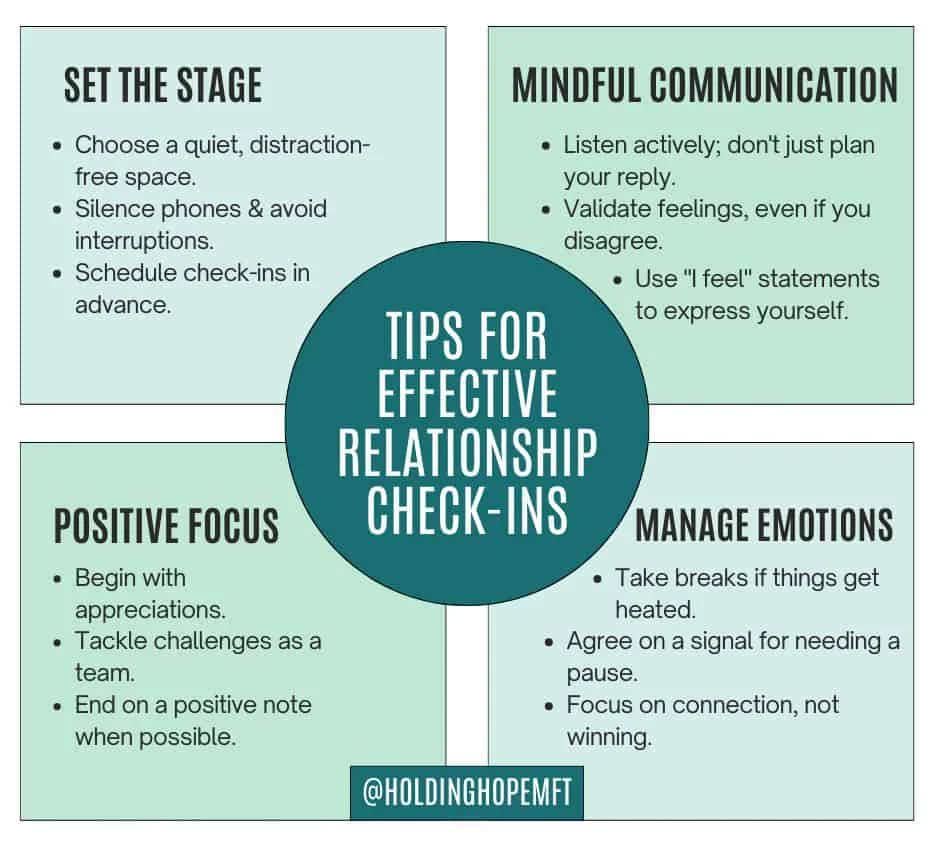
Barriers like distraction, defensiveness, or reluctance to share often undermine daily check-ins. These issues may arise from unresolved resentment or communication habits formed over years. Addressing them requires patience and commitment to practice new interaction patterns. Partners can agree on guidelines for check-ins, such as limiting interruptions and focusing on listening, to enhance the quality of their dialogue.
Long-Term Benefits of Daily Honest Communication
Strengthening Emotional Intimacy
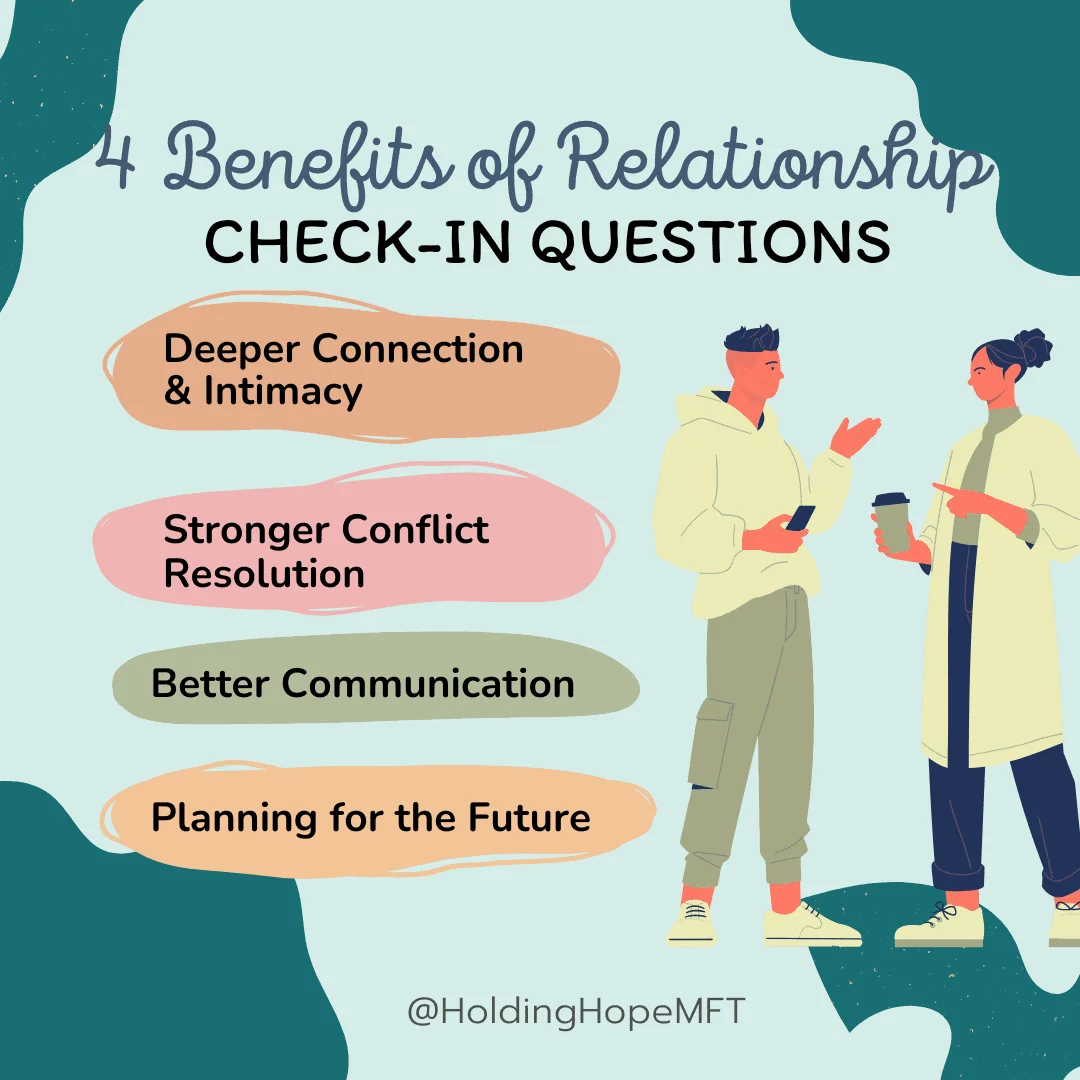
Consistent sharing deepens emotional intimacy by allowing partners to understand each other’s inner worlds more thoroughly. This connection fosters empathy and compassion, making the relationship a source of comfort and security. Without ongoing honest communication, emotional distance can grow unnoticed, weakening the couple’s bond.
Enhancing Conflict Resolution Skills
Regular check-ins create opportunities to surface small issues before they escalate into major conflicts. As partners practice expressing needs and concerns calmly and clearly, they develop healthier conflict resolution skills. This proactive approach reduces resentment and frustration, leading to more constructive discussions when disagreements arise.
Boosting Relationship Satisfaction and Stability
Couples who engage in daily honest communication often report higher levels of satisfaction and relationship stability. The ongoing dialogue helps maintain alignment on shared goals and values, reinforcing commitment. This continuous effort nurtures a positive cycle where both partners feel recognized and supported.
Tips for Maintaining Consistency Without Strain
Adjusting Questions as the Relationship Evolves
Sticking rigidly to the same questions can lead to boredom or disinterest. As relationships grow and change, so should the check-in questions. Regularly revisiting and revising them keeps conversations fresh and relevant. This flexibility helps partners remain engaged and responsive to each other’s evolving needs.
Using Technology to Support Daily Check-Ins
Technology can be both a help and a hindrance in communication. When used thoughtfully, apps or messaging platforms can remind partners to check in and provide a comfortable space for sharing thoughts when face-to-face conversations aren’t possible. However, overreliance on digital check-ins may reduce the depth of connection, so it’s important to balance technology with in-person dialogue whenever feasible.