Understanding Oily Skin and Its Needs
What Causes Excess Oil Production?
Oily skin happens when your sebaceous glands produce more sebum than usual. This natural oil is essential for keeping your skin lubricated and protected, but when it’s overproduced, it can lead to shine, clogged pores, and even breakouts. Factors like genetics, hormonal changes, diet, and environmental influences contribute to this excess oil production. For instance, hot and humid climates often stimulate the skin to produce more oil, while stress and certain skincare products can further exacerbate the condition.
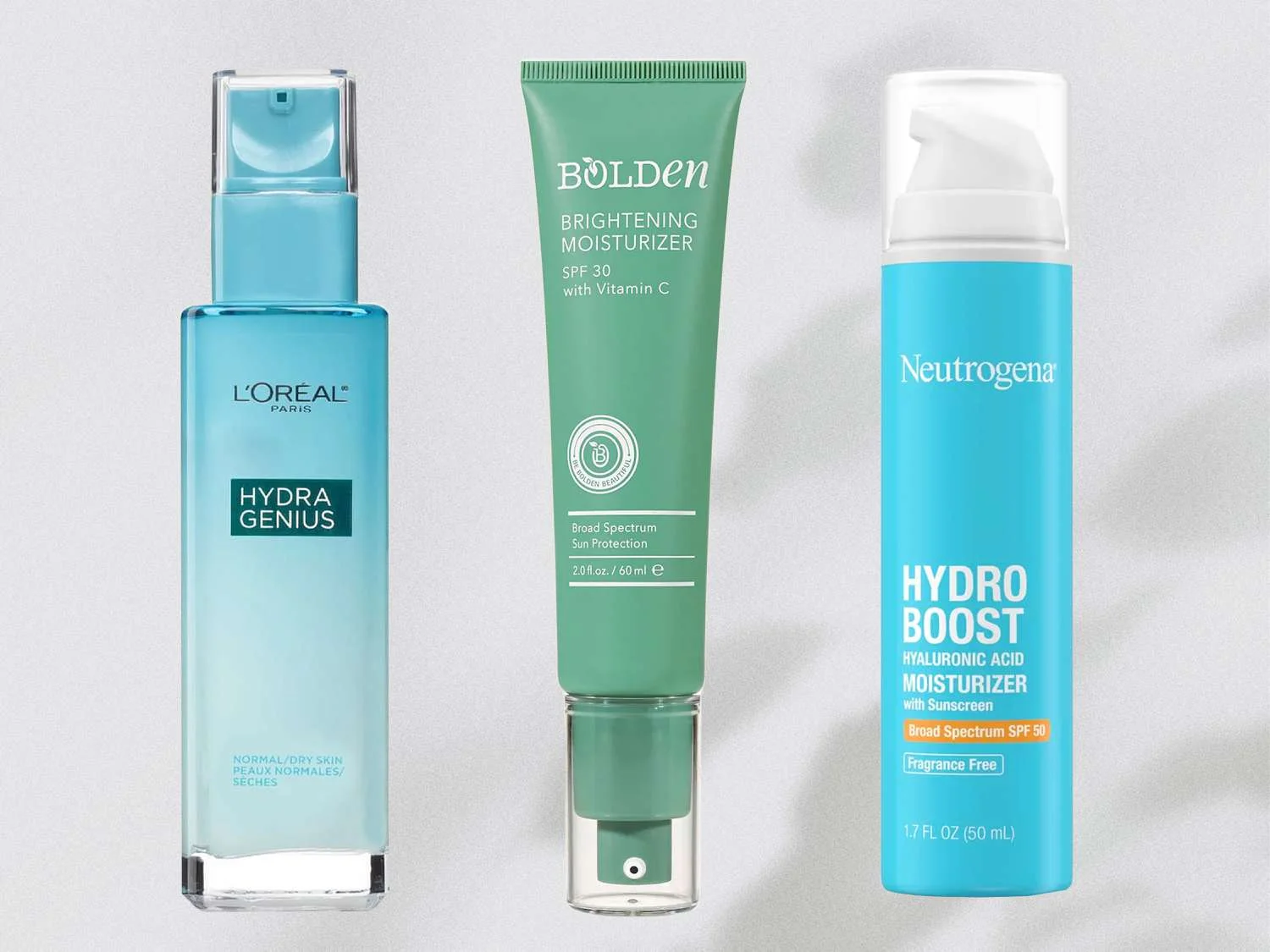
Understanding why your skin is oily is key to selecting moisturizing products that cater to its unique needs, rather than simply trying to dry it out. Over-drying the skin can backfire, triggering even more oil production as your skin attempts to compensate.
Why Choosing the Right Moisturizer Matters
Many people with oily skin make the mistake of skipping moisturizer altogether, fearing it will make their skin greasier. However, moisturizing is a crucial step that helps balance the skin’s hydration levels. When oily skin is dehydrated, the body produces even more sebum, leading to a cycle of oiliness and irritation.
The trick lies in picking moisturizers with ingredients tailored for oily skin. These formulations should hydrate without heaviness and control oil while maintaining the skin’s natural barrier. The right moisturizer can help reduce shine, minimize pore clogging, and create a matte finish. Choosing poorly can cause breakouts, sluggish skin texture, and discomfort, undermining your skincare goals.
Key Moisturizer Ingredients That Benefit Oily Skin
Lightweight Humectants: Hydration Without Weight
When it comes to hydration, lightweight humectants shine. Ingredients like glycerin, hyaluronic acid, and sodium PCA attract moisture from the environment into your skin without adding any grease or thickness. They help maintain the skin’s hydration level by holding onto water molecules, ensuring your skin looks plump and fresh.
Hyaluronic acid is especially beloved for its ability to bind moisture without clogging pores or causing heaviness. It helps soothe oily skin by balancing hydration needs, which in turn can calm excess sebum production. Look for moisturizers that emphasize these humectants for gentle yet effective moisturizing.
Oil-Control Agents and Mattifying Compounds
To tackle shine directly, some moisturizers include ingredients that absorb or regulate oil. Niacinamide, for example, is a powerful ally for oily skin. It helps regulate sebum production while improving skin texture and reducing inflammation. Clay minerals and silica also serve as mattifying agents, absorbing excess oil and leaving a velvety finish without dryness.
Other beneficial ingredients include zinc and witch hazel, which provide mild astringent effects and calm the skin. When incorporated correctly, these agents can keep your face looking fresh and less shiny throughout the day.
Non-Comedogenic Oils and Extracts to Avoid Clogging
Not all oils are created equal, especially for oily skin. Some lightweight oils like squalane and jojoba mimic the skin’s natural sebum and can actually help balance oil production. These oils are non-comedogenic, meaning they won’t clog pores or trigger breakouts. They absorb quickly and provide skin-softening benefits without heaviness.
Additionally, botanical extracts such as green tea and aloe vera offer soothing and antioxidant properties. They calm irritated skin and protect against environmental stressors, enhancing the overall health of oily skin without contributing to congestion.
Ingredients to Avoid in Moisturizers for Oily Skin
Common Pore-Clogging Substances
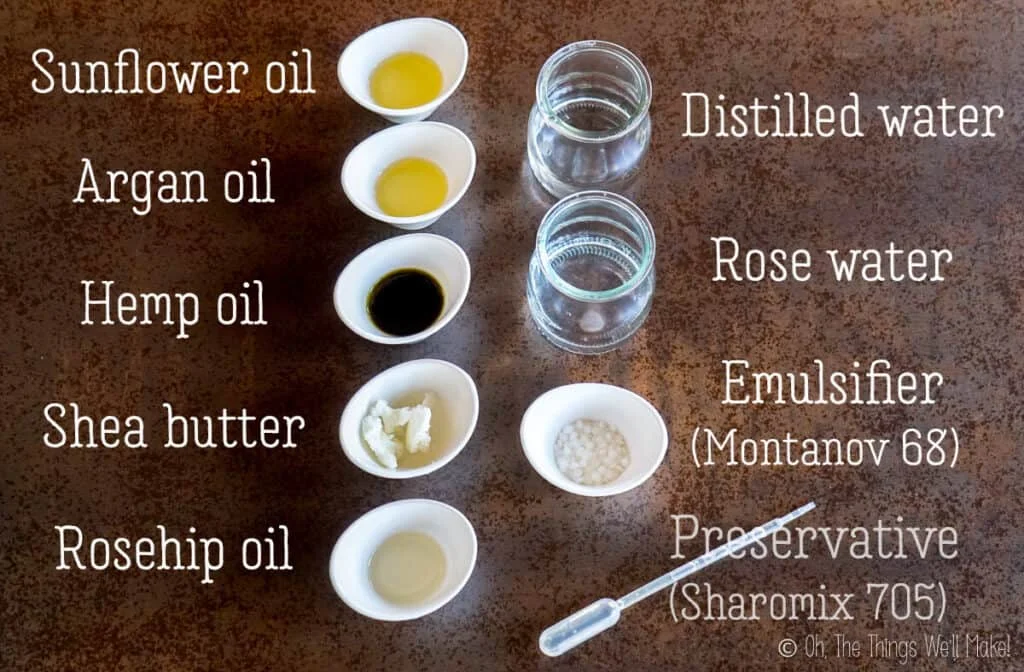
While moisturizing is essential, certain ingredients can do more harm than good for oily skin by clogging pores and causing pimples. Avoid heavy waxes, lanolin, and isopropyl myristate, as these are notorious for trapping oil and debris inside pores. Silicones like dimethicone can be problematic for some individuals, potentially leading to breakouts if used in excess.
Also be cautious with certain alcohols. While some like cetyl or stearyl alcohol can be moisturizing, others such as denatured or isopropyl alcohol may irritate skin and strip it of moisture, triggering overproduction of sebum.
Heavy Emollients and Their Impact
Emollients provide richness and softness to moisturizers but can feel too heavy for oily skin types. Ingredients like shea butter, cocoa butter, and mineral oil can smother oily skin and clog pores. They are better suited for dry or mature skin.
Using heavy creams can leave a greasy residue that exacerbates shine and can contribute to breakouts. If your skin is oily, it’s best to steer clear of thick formulations and instead opt for gel-based or water-based moisturizers that absorb quickly and feel breathable.
How to Read Product Labels for Oily Skin-Friendly Moisturizers
Identifying Beneficial Ingredients
Product labels can be overwhelming, but once you know what to look for, it becomes easier to find moisturizers fit for oily skin. Scan the ingredient list for humectants like glycerin and hyaluronic acid, as well as niacinamide and zinc, which help control oil. Non-comedogenic oils such as squalane or jojoba are also good signs.
Look for the “non-comedogenic” claim on packaging, but remember this isn’t a guarantee for everyone. It’s always best to patch-test new products to see how your skin reacts.
Spotting Hidden Comedogens
Some ingredients may sound unfamiliar but are known pore-cloggers. Ingredients with “-cone” endings like cyclopentasiloxane or dimethicone can sometimes cause issues for oily skin, especially if used in heavy concentrations. Waxes such as beeswax or carnauba wax can also clog pores if your skin is prone to breakouts.
It helps to research unfamiliar ingredients or consult reliable skincare sources. If you notice your skin reacts poorly to a moisturizer, check the ingredient list for common irritants or heavy emollients. Avoiding these can save you from unnecessary breakouts.
Conclusion: Building a Skincare Routine with Optimal Moisturizers
Finding the best moisturizer for oily skin is both an art and a science. It requires understanding your skin’s unique behavior and choosing ingredients that hydrate, soothe, and control oil without blocking pores. Lightweight humectants, oil-control agents, and non-comedogenic oils form the backbone of a successful moisturizer for oily skin.
Steer clear of heavy emollients and pore-clogging substances, and learn to read product labels effectively. With this knowledge, you can confidently select moisturizers that support your skin’s health and appearance.
Remember, moisturizing isn’t about banishing oil; it’s about balance. The right hydration will calm your skin, reduce excess shine, and help you achieve a clear, comfortable complexion that lasts all day.